Post by : Monika
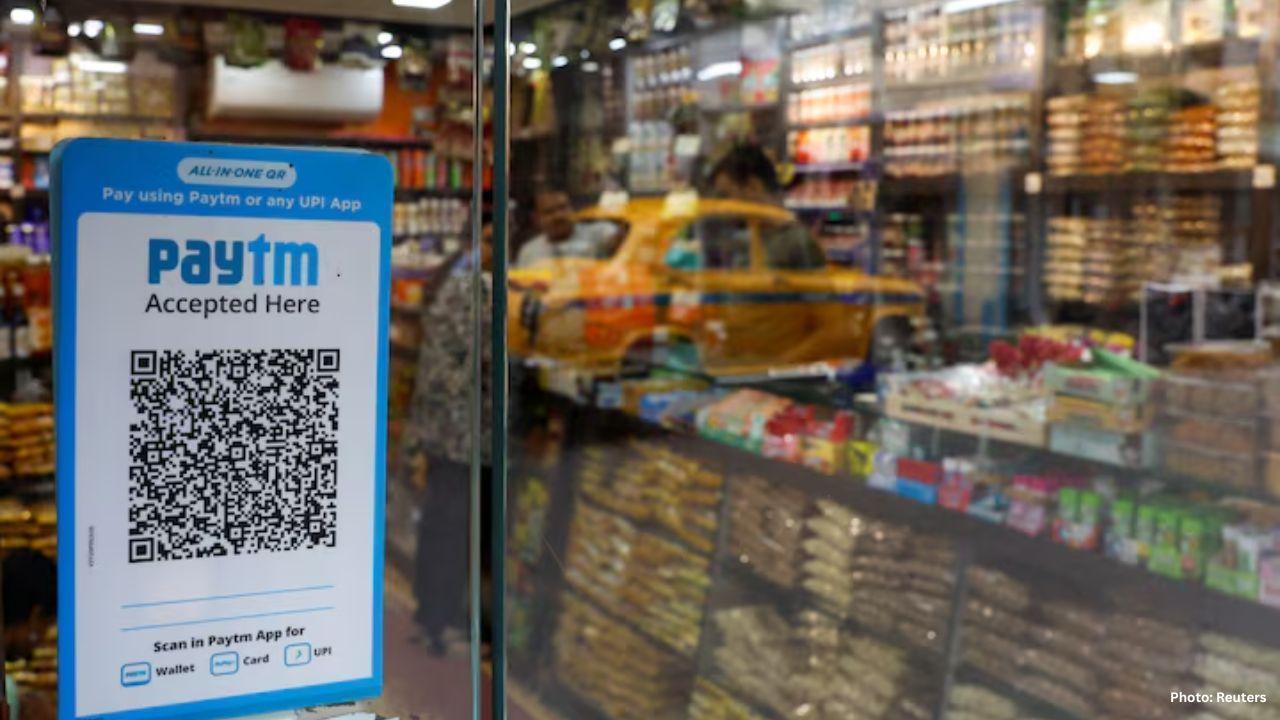
India is preparing to launch a new way of authorizing digital payments on the Unified Payments Interface (UPI) starting October 8, 2025. Users will now be able to approve transactions using biometric authentication, which includes fingerprint scanning or facial recognition. This development is a part of India’s ongoing efforts to make digital payments faster, easier, and more secure for everyone.
The UPI system, managed by the National Payments Corporation of India (NPCI), has already transformed the way people in India conduct daily financial transactions. UPI allows instant transfers between bank accounts using a smartphone.
Millions of people use UPI for various payments, including shopping, paying bills, sending money to family, and online purchases. With the addition of biometric authentication, the payment process will become more user-friendly and safe.
Understanding Biometric Authentication
Biometric authentication uses unique physical characteristics to verify a person’s identity. The most common types are fingerprints, facial recognition, and iris scans. In India, biometric data is linked with the Aadhaar system, the country’s national identity program.
Traditionally, UPI payments require users to enter a numeric PIN for authorization. While this method is effective, it can be time-consuming and prone to errors, especially for people who forget their PIN or mistype it. With biometric authentication, users no longer need to remember a PIN. Instead, they can simply scan their fingerprint or use facial recognition to approve payments instantly.
Biometric authentication is highly secure because these physical features are unique to each individual. This makes it difficult for unauthorized people to access someone else’s bank account, adding an extra layer of security to digital transactions.
Why India Is Adopting Biometric Payments
The Reserve Bank of India (RBI) recently updated its guidelines, allowing alternative methods of authentication for digital payments. The main reasons behind adopting biometric payments include:
The adoption of biometric payments aligns with India’s goal of becoming a cashless and digitally empowered economy, making financial services accessible to a broader population, including rural areas.
This process is faster than typing a PIN and reduces human error. It also prevents situations where people may share their PINs, intentionally or unintentionally, which can compromise security.
Benefits of Biometric Authentication
Experts believe that the adoption of biometric payments will increase trust in digital platforms and reduce hesitation among people who previously avoided digital banking due to security concerns.
Privacy and Data Security
Using biometric data raises important questions about privacy and data protection. The government and banking authorities have emphasized that all biometric information will be securely stored and used solely for payment authentication purposes.
Strict protocols will govern data access, and all transactions will be encrypted. Aadhaar-linked data is already protected by multiple layers of security, including encryption and restricted access, to prevent misuse.
Additionally, users will have the option to opt-in for biometric authentication, giving them control over whether they want to use this method for transactions. This approach balances convenience, security, and privacy.
Role of NPCI and RBI
The National Payments Corporation of India (NPCI) is responsible for managing UPI and implementing new payment technologies. NPCI has partnered with banks and fintech companies to integrate biometric authentication into existing UPI apps.
The Reserve Bank of India (RBI) has provided regulatory guidance to ensure that biometric payments meet security standards and compliance requirements. Together, NPCI and RBI aim to increase the adoption of digital payments while protecting consumers from fraud and misuse.
Global Trends in Biometric Payments
India is following a global trend toward biometric authentication in financial services. Many countries have started using biometric features in mobile banking and digital wallets to improve security and convenience.
For example:
Expected Impact
Industry experts believe that biometric authentication could significantly increase the number of daily UPI transactions and strengthen India’s position as a leader in the digital payments ecosystem.
Challenges and Considerations
Looking Ahead
The introduction of biometric authentication for UPI is a major step in India’s digital transformation. By combining technology, security, and convenience, this initiative is expected to redefine the way Indians make payments.
With more secure and user-friendly options, more people are likely to adopt digital payments for both small daily purchases and larger transactions. This also supports government initiatives to reduce cash dependency, improve financial transparency, and enhance economic efficiency.
India’s rollout of biometric authentication for UPI payments marks a significant advancement in the country’s digital economy. Starting October 8, 2025, users will be able to approve transactions using fingerprints or facial recognition, making payments faster, safer, and more convenient.
This move is expected to increase UPI adoption, improve financial inclusion, and encourage people to trust digital platforms more. While challenges such as device compatibility and data privacy exist, authorities are taking steps to ensure a secure and seamless experience for users.
Overall, biometric authentication represents the future of digital payments in India, combining technology with simplicity and security, and paving the way for a more cashless and technologically advanced society.










Establishment of Gaza Peace Board by White House
A new Gaza Peace Board has been created by the White House to supervise temporary governance amid an
India Unveils First Vande Bharat Sleeper Train
The inaugural Vande Bharat sleeper train connects Howrah and Kamakhya, enhancing overnight travel co

The Raja Saab Surpasses ₹133 Crore; Sequel in Development
Prabhas’ horror-comedy The Raja Saab collects ₹133.75 crore in 8 days. Director Maruthi hints at an

Malaysia's Strong Doubles Teams Excel at 2026 India Open
Pearly Tan & M. Thinaah and Aaron Chia & Soh Wooi Yik shine, reaching semifinals at the 2026 India O
Nvidia H200 Processor Shipments Stalled by Chinese Customs
Chinese customs have halted Nvidia's H200 shipments, leading to temporary production stops by suppli

US Military Strike Claims Lives of 47 Venezuelan Troops in Caracas
A US operation in Caracas led to the deaths of 47 Venezuelan soldiers and 32 Cubans amid an attempt