Post by : Anees Nasser
Winter presents a unique set of challenges due to low temperatures, limited sunlight, extended nights, and higher humidity near the ground. As the air cools, its behavior changes—it can hold less moisture and leads to condensation, freezing, and ice generation.
Fog, frost, and black ice are interconnected phenomena primarily resulting from temperatures dropping close to or below freezing, along with moisture presence. Minor shifts in conditions can influence whether moisture remains as liquid, freezes into ice, or stays suspended in the atmosphere.
Fog occurs when the air cools to the point where water vapor condenses into minute droplets that float in the atmosphere, scattering light and limiting visibility—sometimes to just a few metres.
In winter, it typically forms overnight or in the early morning when temperatures plunge rapidly after sunset. Cold air retains less moisture, so even minimal humidity can trigger condensation.
The most prevalent winter fog is radiation fog, which arises during clear, calm nights when heat escapes quickly from the Earth. Cooling of the surface leads to a corresponding drop in the temperature of the air above, reaching the dew point and causing condensation.
This fog is often densest just prior to dawn and tends to lift once sunlight begins to warm the ground.
Advection fog forms when warm, moist air moves over colder surfaces, such as snow or icy land. The cooling from below results in condensation, generating widespread fog.
This fog tends to persist throughout the day, especially on cold surfaces that hinder air warming.
Winter fog is often denser and more persistent due to the weaker sunlight, which fails to warm the ground effectively. The reduced visibility heightens the risk of accidents, especially when combined with icy road conditions.
Frost forms when temperatures dip below freezing, allowing atmospheric water vapor to transition directly into ice crystals on surfaces. This process is known as deposition.
Typically, frost develops on clear, calm nights when surfaces cool quickly and drop below the surrounding air temperature.
Exposed surfaces cool at a faster rate than the air, making them prone to falling below freezing. Grass, car windows, metal fixtures, and rooftops are frequent frost collectors due to their heat loss.
Even low humidity can enhance frost formation.
Hoarfrost: Delicate, feathery ice crystals found on exposed surfaces.
Ground Frost: Arises when near-ground air temperatures drop below freezing.
Radiation Frost: Forms during clear nights through rapid heat loss from the surface.
Though formed under varying conditions, they share the commonality of freezing temperatures coupled with moisture.
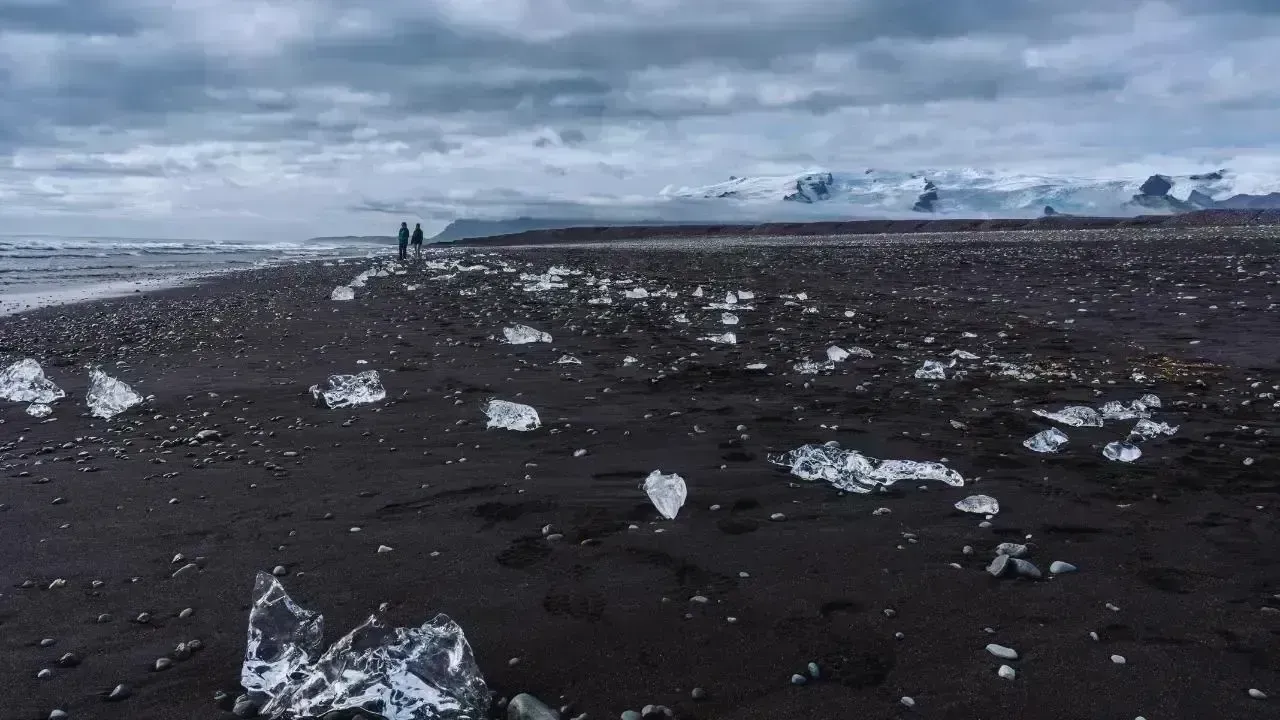
Black ice, a thin and transparent ice layer, occurs on roads, sidewalks, and overpasses, appearing 'black' as it reveals the dark surfaces beneath, rendering it nearly undetectable.
Unlike snow or white ice, the absence of visual signals makes black ice an extreme hazard for pedestrians and drivers.
Typically, black ice arises as temperatures hover below freezing, with moisture freezing instantly upon contact with cold surfaces. Common occurrences include:
Precipitation freezing on icy roads
Melting snow refreezing overnight
Condensation freezing during early mornings
Roads and bridges are especially susceptible due to their heat loss being greater than other areas.
Bridges tend to freeze ahead of roads due to cold air circulation both above and below. Similarly, shaded spots receive less sunlight, preventing ice melting during the daytime and increasing night-time refreezing risks.
Clear skies allow for rapid heat loss, while tranquil winds prevent warmer air from mixing. Together, these aspects foster low-level fog formation and frost on surfaces.
When humidity is elevated near freezing temperatures, even slight temperature drops can lead to fog, frost, or black ice formation.
Quick temperature drops post-sunset are significant triggers for winter hazards. Wet roads during the day can freeze rapidly once temperatures decline.
Fog, frost, and black ice typically arise under similar weather patterns. For instance, a cold, clear night with ample humidity can lead to fog, frost on exposed areas, and black ice on roadways.
This combination is particularly perilous, as low visibility and slippery roads occur concurrently, heightening accident risks.
Sunlight is essential in dissipating winter hazards. Fog typically dissipates as ground temperature rises, frost melts once temperatures exceed freezing, and black ice vanishes when surfaces warm adequately.
However, weak winter sunlight can result in these hazards lingering longer than anticipated.
Overcast skies may inhibit daytime warming yet prevent severe cooling at night. This interplay determines whether the hazards improve or worsen over time.
Understanding the formation of fog, frost, and black ice can aid drivers in planning safer journeys. Recognizing high-risk periods—such as early mornings and late nights—can mitigate accident rates.
Frost stands to damage crops, rupture pipes, and strain power systems. Black ice disrupts transportation networks, while persistent fog can influence air travel and vehicular traffic.
Awareness of these conditions can empower authorities to issue timely warnings and implement preventive actions.
Changing climate patterns have led to an increase in freeze-thaw cycles, elevating black ice risks as melting snow undergoes repeated refreezing.
Warmer winters can create favorable conditions for fog and ice formation instead of steady snowfall, complicating hazard predictions and management strategies.
Fog, frost, and black ice might appear as trivial winter issues, but they arise from delicate interactions among temperature, moisture, and surface conditions. A slight temperature variation can be the difference between safe travel and treacherous routes.
By understanding these winter hazards, individuals can prepare better, maintain vigilance during high-risk days, and minimize the dangers posed by severe weather. Remaining aware is a paramount form of protection in winter.
Disclaimer:
This article intends to inform about general weather patterns. Local conditions may vary due to geography, climate, and weather systems. Always adhere to official weather alerts and safety protocols.








Anticipated Dates for UAE Eid Al Adha 2026 Unveiled by Astronomical Experts
Experts predict Eid Al Adha 2026 in the UAE to start on May 27, prompting early holiday planning amo

DAE Achieves Remarkable Growth in Q1 2026 With Record Revenue
Dubai Aerospace Enterprise announces impressive financial results for Q1 2026, reflecting a surge in

Price Increase for Sony PS5 in Southeast Asia Effective May 1
Sony announces a price increase for the PS5 across Southeast Asia starting May 1, 2026, impacting ga

Potential ‘Super El Niño’ in 2026: Understanding the Climate Risks
Could a Super El Niño emerge in 2026? Discover its implications and potential global climate impacts

Global Energy Crisis Intensifies: Markets React to Oil Supply Challenges
Markets are on edge as oil disruptions escalate, influencing prices and economic stability. Explore

Must-See Tourist Spots in London You Can't Overlook
Explore London's essential attractions, from royal landmarks to vibrant markets, ensuring an unforge




