Post by : Priya
Photo:Reuters
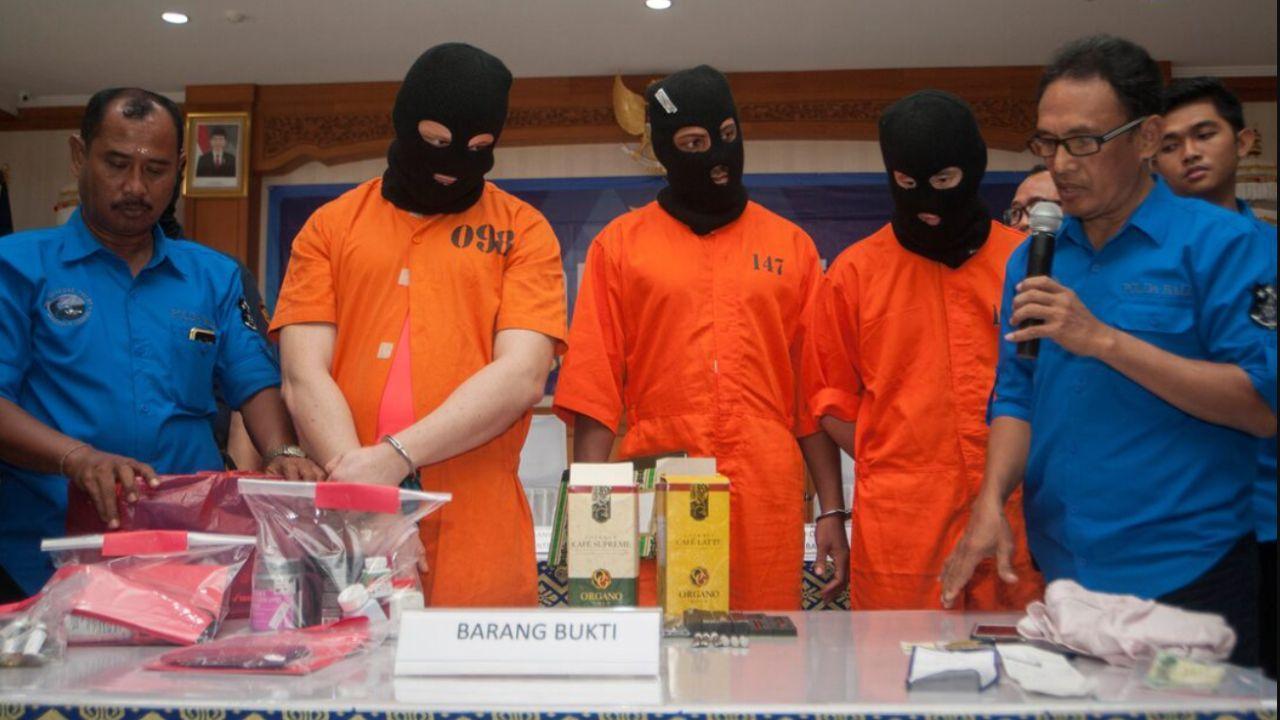
Indonesia has once again made headlines in its ongoing war against narcotics. In a recent incident at Bali’s I Gusti Ngurah Rai International Airport, two foreign nationals were caught trying to smuggle nearly 3 kilograms of cocaine into the country. The suspects—a 24-year-old Brazilian man and a 29-year-old South African woman—were arrested during routine baggage inspections. This incident has drawn international attention and renewed conversations about Indonesia’s harsh drug laws, the global drug trade, and the implications for tourists visiting the island.
In this comprehensive editorial, we will examine the full scope of the case, its broader social and legal implications, Indonesia’s history and policy toward drug-related crimes, the role of tourism in Bali’s economy, and how this case underscores the dangers of international drug trafficking.
The Incident: What Happened at Bali’s Airport?
Bali, Indonesia’s top tourist destination, has long been a favorite among travelers. But its beautiful beaches and vibrant culture have also become an unfortunate target for international drug traffickers who use the island as a gateway or drop point.
According to Bali’s anti-narcotics police unit, the two suspects arrived on separate international flights. Suspicion arose during standard luggage checks, prompting customs officers to carry out more detailed inspections.
The Brazilian suspect had hidden the cocaine inside a false bottom in his suitcase.
The South African woman had concealed the narcotics in cosmetic containers.
After lab tests confirmed the substance was cocaine, both suspects were immediately detained and charged with violating Indonesia’s strict drug laws. The amount seized—approximately 3 kilograms—is considered a serious offense under Indonesian law.
The Law: How Indonesia Handles Drug Offenses
Indonesia is known for its zero-tolerance policy on illegal drugs. Unlike some countries that emphasize rehabilitation, Indonesia takes a punitive approach.
Penalties for Drug Trafficking in Indonesia Include:
Minimum sentence: 5 years imprisonment.
Maximum sentence: Death penalty (by firing squad).
Fines: Can exceed billions of rupiah (hundreds of thousands of USD).
According to Indonesia’s 2009 Narcotics Law, anyone caught with over 5 grams of certain drugs, including cocaine, is subject to harsh penalties. The suspects in this case face potential life imprisonment or death, depending on how the court rules.
This policy is not just symbolic. Indonesia has executed both citizens and foreigners found guilty of drug trafficking. Notable cases include the infamous Bali Nine from Australia and other high-profile convictions involving European, African, and Asian nationals.
The Authorities Speak: Bali Police and Customs Reaction
In a press conference following the arrests, Bali’s police chief, Inspector General Ida Bagus Kade Putra, confirmed the suspects’ identities and explained the operation.
"Bali is a peaceful place. It is a tourist haven. We will not allow it to become a hotspot for crime," he stated firmly.
He praised the alert customs officers and reiterated Indonesia’s firm stance on narcotics. The Chief emphasized that airport checks are becoming more thorough and technologically advanced to prevent such crimes.
According to the police, investigations are ongoing to determine whether the two suspects were working independently or are part of a larger international drug network.
A Global Web: The International Drug Trade and Its Reach to Bali
The case of these two foreigners is not an isolated one. Bali, while geographically small, is strategically located and connected to major international flight routes. This makes it vulnerable to becoming a transit point in the global drug trade.
Drug trafficking networks often rely on unsuspecting individuals or paid couriers—sometimes known as “drug mules”—to transport narcotics across borders. In many cases, these couriers are promised money or threatened into cooperation.
The use of international carriers is a calculated risk by cartels:
Airports like Bali's are seen as relatively less scrutinized compared to capital city hubs.
Tourists are less likely to arouse suspicion.
But Indonesian authorities are aware of these tactics and have increased surveillance accordingly.
Tourism and Its Shadow: Why Drug Smuggling is a Threat to Bali
Bali depends heavily on tourism. With over 6 million international tourists visiting annually (pre-pandemic), the island’s economy is built on hospitality, travel, retail, and entertainment.
Drug crimes, especially involving foreigners, create several risks:
Reputation Damage: Media coverage of drug arrests can make Bali appear unsafe or lawless.
Security Costs: Maintaining tight checks on millions of tourists and goods is expensive.
Social Harm: Local drug use, influenced by foreign traffickers, can increase addiction rates and crime.
The government has consistently stated that tourism must be safe, clean, and lawful. That’s why drug enforcement is viewed as crucial to Bali’s sustainability as a tourist hub.
Previous Cases: A Pattern of Foreign Involvement
Indonesia has seen numerous high-profile drug cases involving foreigners:
The Bali Nine (2005): Nine Australians tried to smuggle heroin into Australia. Two were executed in 2015.
Lindsay Sandiford (2012): A British woman sentenced to death for bringing cocaine into Bali.
Frenchman Félix Dorfin (2019): Caught with 3 kg of drugs; escaped prison briefly before being recaptured.
These cases highlight a disturbing pattern of foreigners underestimating the risks of drug trafficking in Indonesia. Many claim ignorance of the law or pressure from criminal organizations.
But Indonesian courts rarely show leniency. The law is clear, and the punishment is consistent.
The Human Side: Who Are the Suspects?
While their names have not been officially released, early reports say:
The Brazilian man is a 24-year-old reportedly traveling on a tourist visa.
The South African woman, aged 29, had entered Bali as a solo traveler.
If found guilty, both could spend the rest of their lives in prison or be sentenced to death. This raises ethical and human rights questions that international observers often debate. However, Indonesia maintains that sovereign law applies to everyone—citizen or foreigner.
There are cases where suspects claim they were tricked or unaware they were carrying drugs. Courts sometimes take these claims into account, but the burden of proof lies heavily on the accused.
Public Opinion: How Indonesians View Drug Crimes
Within Indonesia, public sentiment strongly supports strict drug laws. Surveys show that a majority of citizens:
Support the death penalty for drug traffickers.
Believe that drugs are a serious threat to youth.
Trust law enforcement's efforts to combat smuggling.
This support is rooted in real concerns. Drug use has increased in many parts of Indonesia, including urban centers and tourist areas. Families, communities, and even schools have reported rising addiction rates.
So while international activists may criticize Indonesia’s harsh sentences, locals often view them as necessary.









Starbucks Engages Boyu Capital for Major Chinese Expansion
Starbucks teams up with Boyu Capital, selling a majority stake to boost growth and adapt to the Chin
Three Individuals Charged in Massive Meth Trafficking Case in Malaysia
In Malaysia, a married couple and another suspect are charged with trafficking 510kg of meth, facing

Singapore Police Revisit Geylang Murder Scene with Suspect
In Geylang, police return a murder suspect to the scene of a crime involving the fatal stabbing of a

Mattel Revives Masters of the Universe Action Figures Ahead of Film Launch
Mattel is reintroducing Masters of the Universe figures in line with its upcoming film, tapping into

China Executes 11 Members of Criminal Clan Linked to Myanmar Scam
China has executed 11 criminals associated with the Ming family, known for major scams and human tra