Post by : Saif Nasser
Nepal has a long and difficult history of political instability. For many years, the country has struggled with weak governments, shifting leaders, and deep divisions among political parties. This ongoing instability affects the lives of ordinary people and makes it harder for Nepal to solve major problems and grow steadily.
Political instability means governments change often. In Nepal’s recent history, leaders and parties have come and gone quickly. Governments have sometimes lasted only a short time before falling apart because of disagreements among leaders. This has made it hard to plan long-term progress and carry out lasting reforms.
One major cause of instability is the frequent change of political parties in power. Nepal has many different parties, each with its own views and goals. Leaders often disagree on how to run the country, how to manage the economy, and how to bring peace and fairness to all people. These disagreements sometimes lead to splits, forcing governments to end early and new coalitions to form.
Nepal’s peace process after its civil conflict, which ended in 2006, was meant to bring lasting stability. The conflict was fought for years and caused a lot of suffering. It ended with a promise of political reform, greater rights for citizens, and a new constitution. For many, these changes raised hopes for a stronger, more peaceful future.
However, even after the new constitution was adopted, political disagreements deepened. Some groups felt that their voices were not fully heard, and issues like fair representation, land rights, and economic opportunity remained unresolved. These tensions make it harder for governments to build trust with citizens and among leaders themselves.
Another reason for instability is frequent changes in the top leadership. Prime ministers in Nepal have changed many times in recent years. Each new prime minister often reshuffles the government and brings new priorities. This means projects may start and then stop when leadership changes, wasting time and resources.
Economic challenges also add pressure. Nepal is one of the poorest countries in South Asia. Many people depend on farming and remittances from workers abroad. Lack of steady jobs and limited economic growth make people feel uncertain about their future. When economic problems grow, people often blame political leaders, which can fuel more instability.
Nepal’s geography also plays a role. It is a mountainous country with many remote villages. This makes it harder to reach all citizens equally and provide services like health care, schools, and roads. When people in remote areas feel left behind, it can strengthen political divisions and frustration.
International relationships also affect Nepal’s politics. Nepal lies between two large neighbors: India and China. Both countries have interests in Nepal’s politics and economy. This can sometimes put pressure on Nepal’s leaders to balance foreign ties carefully. At times, foreign influence has added strain to Nepal’s already delicate political system.
People across Nepal have expressed frustration with the current political situation. Many young people, in particular, feel disappointed by slow progress in jobs and opportunities. This has led to protests and calls for change. Citizens want a government that is stable, able to plan for the future, and focused on real challenges like education, health, and work.
Despite these challenges, Nepal also has strengths. It is a young population with strong cultural traditions and a growing sense of national identity. Many leaders and groups continue to work toward unity and stability. The country also receives support from other nations and international organizations that hope Nepal will succeed.
To make lasting progress, many experts say Nepal needs deeper reforms. This could mean changes to the political system, better support for local governments, and stronger protections for minority groups. It may also require leaders to build trust and work together more often than they have in the past.
For ordinary Nepalese people, political stability is not just an abstract idea. It is connected to jobs, schools, health care, and daily life. When governments are stable and focused, it is easier to improve infrastructure, reduce poverty, and expand opportunities for all citizens.
As Nepal looks to the future, its leaders, citizens, and partners must find ways to bridge their differences and work toward shared goals. Political stability may be difficult, but it is essential for the country to grow stronger and provide a better future for its people.
The long history of political instability in Nepal shows that change is possible but not easy. With patience, cooperation, and real commitment to the needs of citizens, Nepal can still build a more stable and prosperous nation.




Starbucks Engages Boyu Capital for Major Chinese Expansion
Starbucks teams up with Boyu Capital, selling a majority stake to boost growth and adapt to the Chin
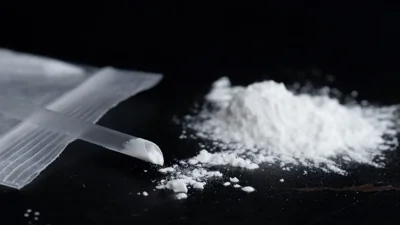
Three Individuals Charged in Massive Meth Trafficking Case in Malaysia
In Malaysia, a married couple and another suspect are charged with trafficking 510kg of meth, facing
Singapore Police Revisit Geylang Murder Scene with Suspect
In Geylang, police return a murder suspect to the scene of a crime involving the fatal stabbing of a

Mattel Revives Masters of the Universe Action Figures Ahead of Film Launch
Mattel is reintroducing Masters of the Universe figures in line with its upcoming film, tapping into

China Executes 11 Members of Criminal Clan Linked to Myanmar Scam
China has executed 11 criminals associated with the Ming family, known for major scams and human tra