Post by : Saif Nasser
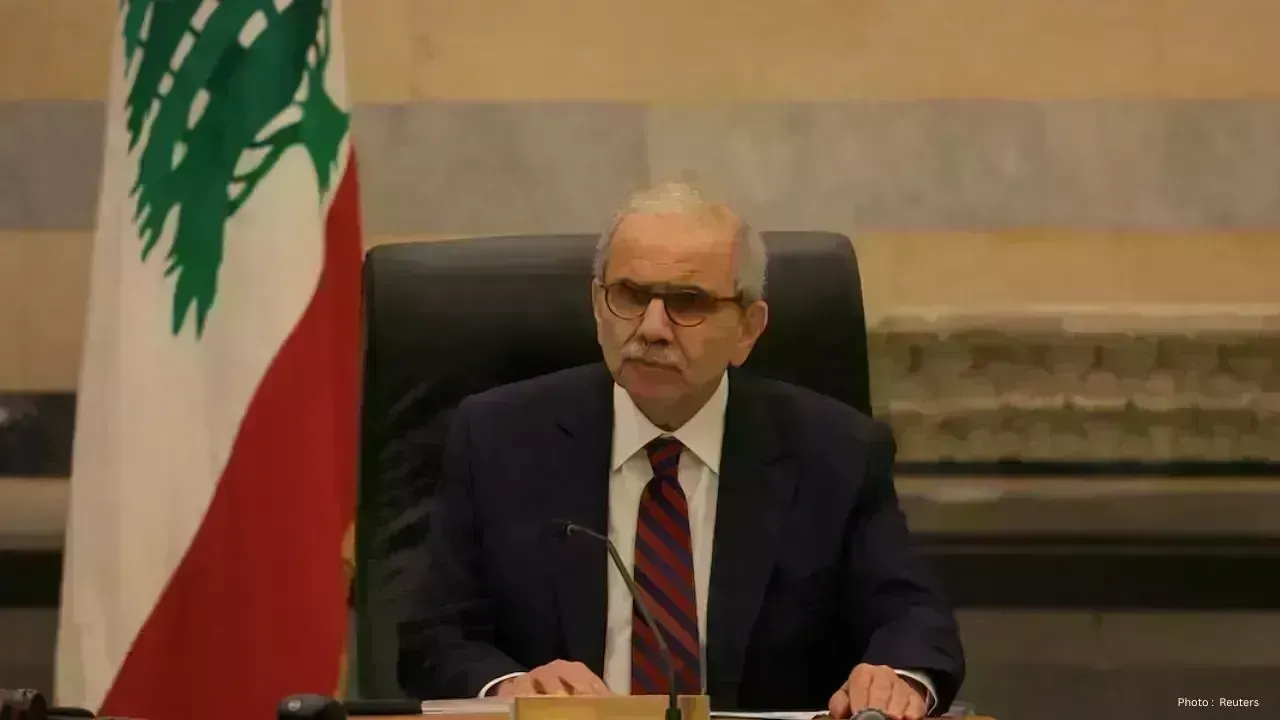
Lebanon is trying to find a stronger and more confident voice as it prepares for possible talks with Israel. A recent meeting between Nawaf Salam and Emmanuel Macron shows how serious the situation has become. This is not just another diplomatic meeting. It comes at a time when Lebanon is under pressure from conflict, economic struggles, and internal divisions.
The country is still dealing with the effects of fighting along its southern border with Israel. The conflict with Hezbollah has forced many families to leave their homes. Entire communities have been affected. Buildings are damaged, and people are living in fear. Even though there is a ceasefire, it is weak and uncertain. Reports of small attacks and military actions continue, showing that peace is not yet stable.
In this difficult situation, Lebanon’s leadership knows it must prepare carefully before entering any talks. The goal is clear: protect the country’s sovereignty and avoid further destruction. However, achieving this goal is not simple. Lebanon’s internal political situation is complex. Hezbollah is a powerful force in the country, but it does not represent the official government in international negotiations. This creates confusion and makes it harder for Lebanon to present one united position.
France has stepped in at this important moment. President Emmanuel Macron has shown support for Lebanon, offering guidance and diplomatic help. France and Lebanon share deep historical ties, and Paris has often played a role during times of crisis in Beirut. However, France is not leading the upcoming talks. Instead, it is helping Lebanon prepare so that it can speak more strongly and clearly when negotiations begin.
Macron’s message is simple but important. What matters most is not who organizes the talks, but whether Lebanon is ready to defend its interests. This reflects a broader truth in global diplomacy. Smaller or weaker countries often struggle to be heard when sitting across from stronger nations. By building support and planning ahead, Lebanon hopes to avoid being pushed aside.
The expected talks, likely supported by the United States, may open a rare channel of communication between Lebanon and Israel. The two countries do not have normal diplomatic relations and have a long history of conflict. Because of this, even starting a conversation is a major step. But the path forward is full of challenges.
Both sides have very different priorities. Lebanon wants stability, security, and respect for its borders. Israel, on the other hand, is focused on removing threats from Hezbollah and ensuring its own safety. These goals are not easy to match. Without trust, even small disagreements can quickly become serious problems.
At the same time, the risk of renewed violence remains high. The ceasefire has not fully stopped tensions. Any sudden incident could lead to a return to full-scale conflict. This makes the upcoming talks even more important. They are not just about politics. They are about preventing another round of destruction that would hurt ordinary people the most.
The humanitarian situation in Lebanon is already very serious. Many people have lost their homes, and basic services are under strain. The government is asking for international support to help rebuild and provide aid. But without lasting peace, these efforts may not be enough. Stability is needed for recovery, and diplomacy is the only path that can bring long-term calm.
This moment is also a test of leadership. Lebanon’s government must show that it can act independently and represent the interests of its people. It must balance internal pressures while dealing with external threats. At the same time, Israel must decide whether it is willing to look beyond military action and consider political solutions. International partners like France and the United States must support peace without increasing tensions.
The meeting between Nawaf Salam and Emmanuel Macron is a small but meaningful step. It shows that Lebanon is trying to prepare, not just react. In global politics, preparation can make a big difference. A country that enters talks with a clear plan has a better chance of protecting its interests.
The road ahead will not be easy. There are too many unresolved issues, too much mistrust, and too much pain from past conflicts. But even in such a difficult situation, dialogue remains the best option. Without it, the region risks falling back into violence.
Lebanon now stands at an important point. With careful planning, strong support, and clear leadership, it may be able to strengthen its position and move toward stability. If not, the cost could be very high, not just for Lebanon but for the entire region. The coming weeks will show whether this effort leads to progress or becomes another missed opportunity in the long history of Middle East tensions.



The Impact of Consistent Small Investments on Wealth Building
Discover how investing small amounts regularly can positively transform your financial future over t

7.5 Magnitude Earthquake Strikes Japan, Tsunami Alerts Issued
Japan experiences a hefty 7.5 quake, prompting tsunami alerts and safety measures. Stay updated on a
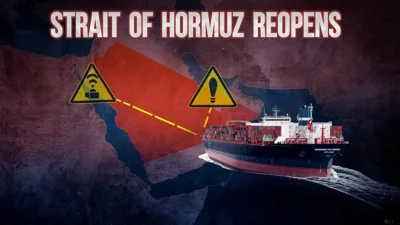
Reopening of the Strait of Hormuz: New Regulations to Impact Global Trade
Iran reopens the strategic Strait of Hormuz with new regulations affecting oil transport and global

Top 10 Must-See Attractions in NYC for First-Time Explorers
Discover essential experiences for first-time visitors to NYC, including attractions, culture, and i

Starbucks Engages Boyu Capital for Major Chinese Expansion
Starbucks teams up with Boyu Capital, selling a majority stake to boost growth and adapt to the Chin

Three Individuals Charged in Massive Meth Trafficking Case in Malaysia
In Malaysia, a married couple and another suspect are charged with trafficking 510kg of meth, facing