Post by : Saif Nasser
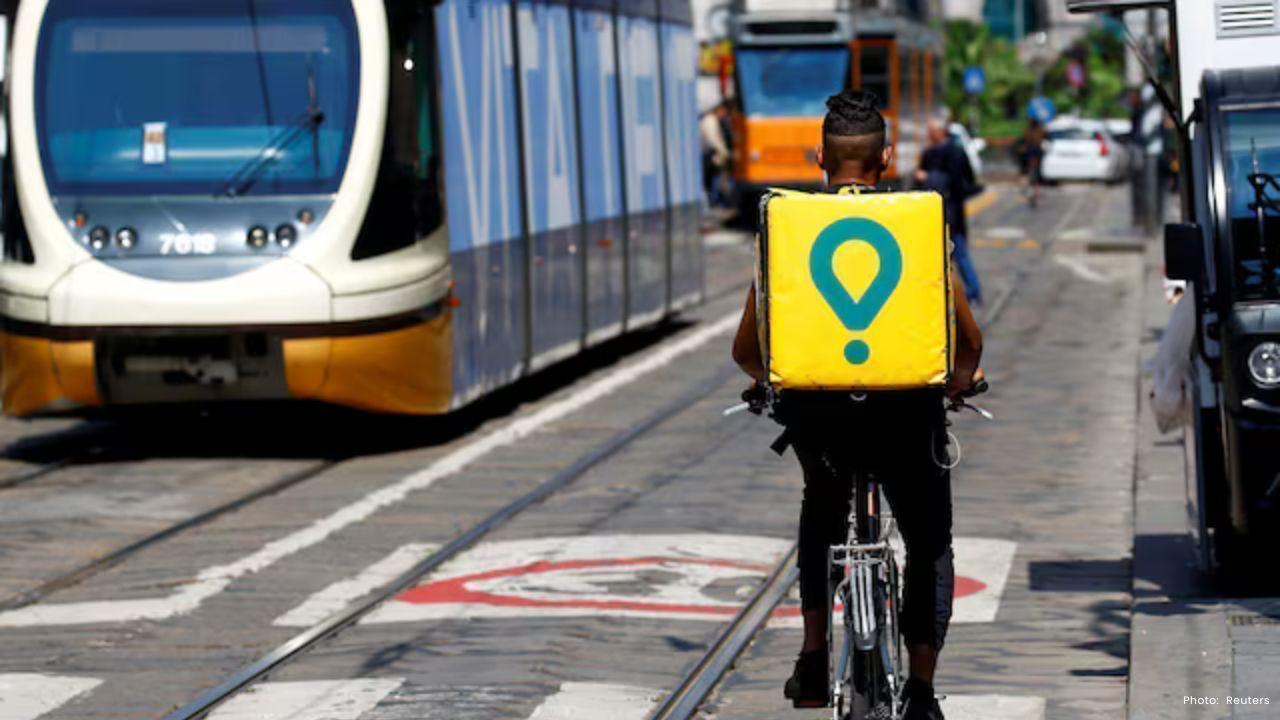
Italian prosecutors have taken strong action against the Italian delivery arm of food platform Glovo after serious claims of worker exploitation. A court in Milan has placed the company under judicial supervision and opened an investigation into its chief executive. The move follows evidence that many delivery riders were paid very low wages and may not have received proper worker protections.
The case centers on Foodinho, the Italian unit that runs Glovo’s delivery services in the country. According to court documents, investigators found signs that riders were earning far below what is considered the minimum level needed to live in Italy. Prosecutors say this situation may have continued for years and affected a large number of workers, many of them migrants.
Judicial supervision means the company will not be shut down, but it will now be watched closely by a court-appointed administrator. This outside supervisor will check how the company treats its workers and make sure it follows labor laws. The administrator will also push the company to correct worker status and improve pay and conditions if needed.
According to the investigation papers, some riders were earning around 2.50 euros per delivery. Officials said that in several cases, total earnings were more than 75 percent below Italy’s poverty threshold. The monthly subsistence level for a worker in Italy is estimated at about 1,245 euros. Testimony from dozens of migrant riders was included in the evidence.
Prosecutors argue that although riders were officially labeled as self-employed contractors, their real working conditions looked more like regular employment. The delivery platform’s software system controlled key parts of their jobs, such as order assignment, timing, and performance rules. In simple terms, riders had limited independence even though they were not treated as employees on paper.
This difference between “contractor” and “employee” status is at the heart of many legal fights in the gig economy. Companies often say riders and drivers are independent partners who choose their own hours. Worker groups and regulators often argue that if a company controls how the work is done, then basic employee rights should apply.
Italy has been increasing its checks on labor practices across several industries in recent years. Authorities have looked into farming, logistics, factories, and platform-based delivery services. The goal is to stop systems where companies lower costs by avoiding fair wages and protections.
Glovo, its Italian unit Foodinho, and its parent company Delivery Hero had not given detailed public responses at the time the action was announced. The investigation is still ongoing, and the company will have the chance to present its defense. Judicial supervision is not a final judgment of guilt, but it shows that the court believes there is enough risk to require outside control for now.
This case is important because food delivery has become a normal part of city life. Customers enjoy quick service and low fees. But behind that convenience are thousands of riders who depend on each delivery for income. When competition is high and prices are pushed down, worker pay can suffer first.
An editorial view must look at both innovation and responsibility. App-based delivery has created new jobs and flexible work options. Many riders value the chance to choose their schedule. At the same time, flexibility should not mean poverty-level pay or unclear rights. Modern business models must still respect basic labor standards.
Clear rules help everyone. Workers know what they are entitled to. Companies know what they must provide. Customers can order with more confidence when they know services are not built on unfair treatment.
The court’s decision to appoint an external supervisor sends a message beyond one company. It tells the wider gig economy that fast growth cannot come at the cost of worker dignity. As platform work continues to expand across Europe and beyond, more governments are likely to review how these systems operate.
The outcome of this case could shape how delivery platforms classify and pay their riders in the future. It may also push companies to redesign contracts and payment systems so that flexibility and fairness can exist together.










Starbucks Engages Boyu Capital for Major Chinese Expansion
Starbucks teams up with Boyu Capital, selling a majority stake to boost growth and adapt to the Chin

Three Individuals Charged in Massive Meth Trafficking Case in Malaysia
In Malaysia, a married couple and another suspect are charged with trafficking 510kg of meth, facing
Singapore Police Revisit Geylang Murder Scene with Suspect
In Geylang, police return a murder suspect to the scene of a crime involving the fatal stabbing of a

Mattel Revives Masters of the Universe Action Figures Ahead of Film Launch
Mattel is reintroducing Masters of the Universe figures in line with its upcoming film, tapping into

China Executes 11 Members of Criminal Clan Linked to Myanmar Scam
China has executed 11 criminals associated with the Ming family, known for major scams and human tra