Post by : Saif Nasser
A fresh wave of hope has emerged in the Middle East as Israel and Lebanon agreed to a temporary ceasefire after weeks of intense fighting. The development has brought relief to millions of people affected by violence, but it also raises an important question: can this short pause turn into lasting peace?
The ceasefire, which is set for 10 days, was supported by the United States and aims to stop ongoing attacks while opening the door for talks between the two sides. While this is a positive step, the situation remains tense and uncertain, as past conflicts in the region have shown that peace is often fragile.
The recent fighting between Israel and Lebanon caused heavy damage and loss of life. Thousands of people were killed, and many more were forced to leave their homes. Cities and villages in Lebanon faced repeated airstrikes, while rockets were launched into Israel, creating fear and uncertainty on both sides of the border.
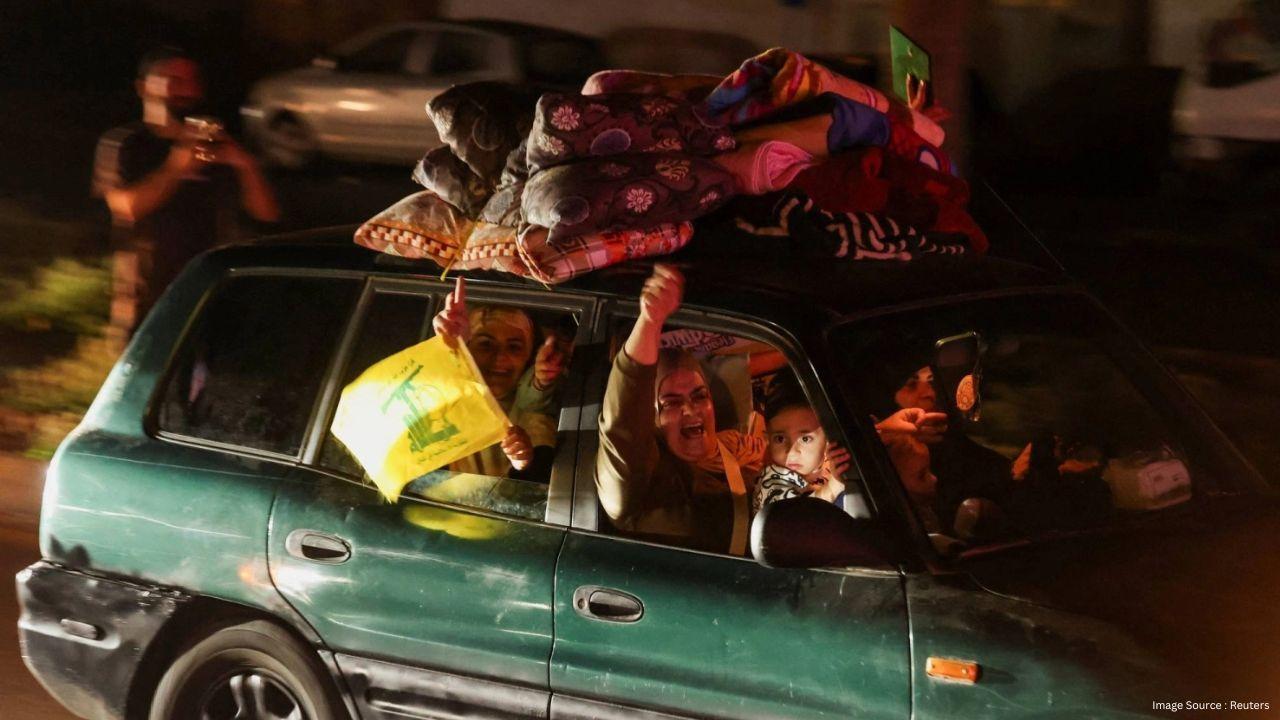
The ceasefire offers a break from this violence. In places like Beirut, people were seen welcoming the pause in fighting. For many families, this means a chance to return home, check on relatives, and begin rebuilding their lives. However, the relief is mixed with concern, as there have already been reports of minor violations, raising doubts about how long the ceasefire will hold.
Although the agreement is an important step forward, it is not a complete solution. One of the main challenges is the role of Hezbollah, a powerful armed group based in Lebanon. Hezbollah has expressed caution about the ceasefire and warned against allowing Israeli forces too much freedom of movement in Lebanese territory. This adds another layer of complexity to an already difficult situation.
On the other side, Israel has made it clear that it will continue to act if it feels threatened. This creates a delicate balance, where even small incidents could lead to renewed violence. Experts believe that without trust and strong communication, the ceasefire could easily collapse.
The involvement of global powers, especially the United States, has played a key role in bringing both sides to the table. The ceasefire is part of wider diplomatic efforts to reduce tensions across the region, including ongoing discussions related to Iran and its role in regional conflicts.
European leaders have also welcomed the ceasefire and called it a step toward stability. They have urged both sides to respect the agreement and continue working toward a long-term solution. This shows that the international community is closely watching the situation and hopes for a peaceful outcome.
Beyond politics and diplomacy, the human cost of the conflict remains severe. More than a million people in Lebanon have been displaced, many living without proper shelter, food, or healthcare. Children have lost access to education, and families have been separated due to the violence. The ceasefire provides a chance for aid organizations to deliver much-needed help, but the road to recovery will be long.
This moment is not just about stopping the fighting; it is about what comes next. History shows that temporary ceasefires often fail if deeper issues are not addressed. For lasting peace, both sides will need to agree on important matters such as border security, military presence, and the future role of armed groups.
There are some hopeful signs, as both Israel and Lebanon have shown willingness to engage in dialogue, and there are discussions about extending the ceasefire if progress continues. Still, peace will require patience, commitment, and trust from all sides involved.
This ceasefire is a critical moment for the Middle East. If handled carefully, it could reduce tensions not only between Israel and Lebanon but across the region. It may also ease global concerns about economic stability and energy supply, which are often affected by conflicts in this area.
However, if the agreement fails, the region could once again face serious violence with far-reaching consequences. The coming days will be crucial in determining whether this ceasefire becomes a stepping stone toward peace or just another pause in a long history of conflict.
The Israel-Lebanon ceasefire brings hope at a difficult time. It shows that dialogue is still possible even in the most challenging situations. But real peace will depend on actions, not just words. The world is watching closely, and the future of the region may depend on what happens next.









Starbucks Engages Boyu Capital for Major Chinese Expansion
Starbucks teams up with Boyu Capital, selling a majority stake to boost growth and adapt to the Chin

Three Individuals Charged in Massive Meth Trafficking Case in Malaysia
In Malaysia, a married couple and another suspect are charged with trafficking 510kg of meth, facing

Singapore Police Revisit Geylang Murder Scene with Suspect
In Geylang, police return a murder suspect to the scene of a crime involving the fatal stabbing of a

Mattel Revives Masters of the Universe Action Figures Ahead of Film Launch
Mattel is reintroducing Masters of the Universe figures in line with its upcoming film, tapping into

China Executes 11 Members of Criminal Clan Linked to Myanmar Scam
China has executed 11 criminals associated with the Ming family, known for major scams and human tra