Post by : Anees Nasser
Every parent aims to provide the best for their children, often selecting breakfast cereals that promise vitality, snack bars that guarantee nutrition, and fruit-flavored beverages that seem wholesome. The packaging is vibrant, the wording reassuring, and the claims compelling—"Low fat." "No added sugar." "Made with real fruit." Yet, amidst all this, snacks have morphed into tokens of parental care.
Despite these well-intentioned choices, childhood obesity rates continue to soar. This issue is not confined to urban environments; it spans cities, towns, and rural areas, affecting children beyond those who commonly indulge in fast food. The real culprits reside not only in greasy pizza slices from outlets but also within the confines of lunchboxes and pantry shelves.
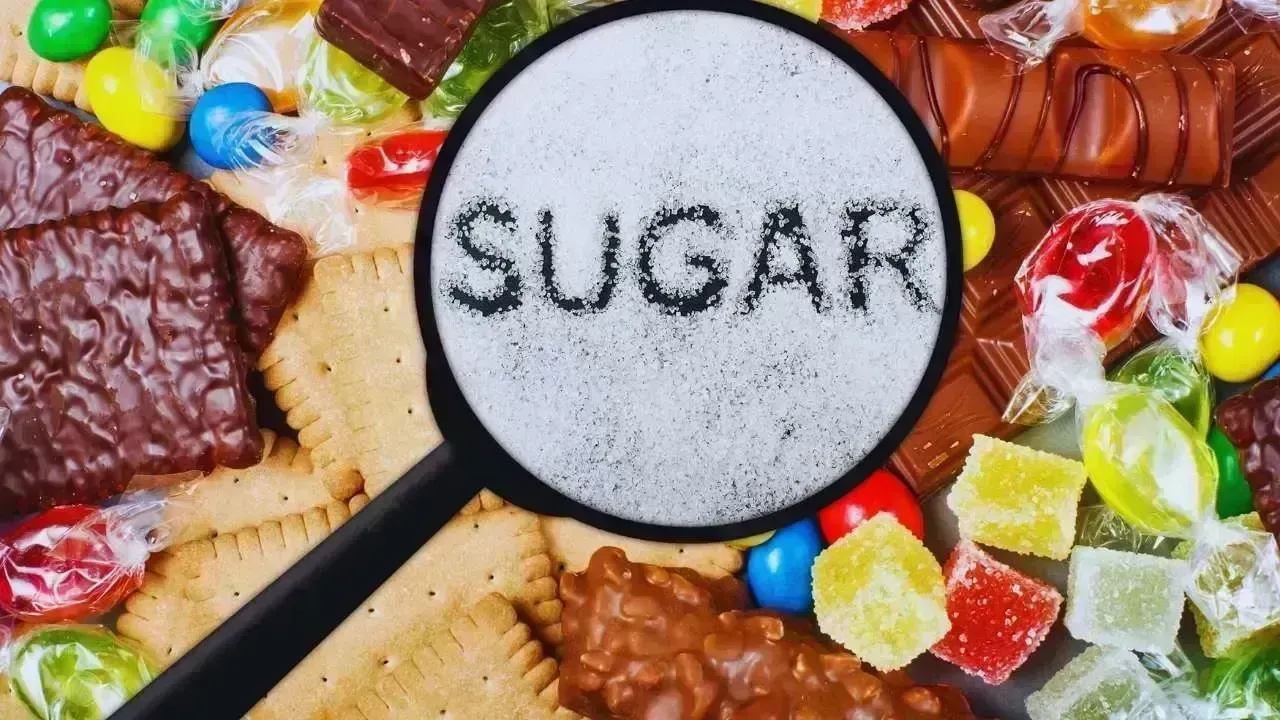
The existence of hidden sugars is reshaping children's physical health and habits long before visible signs emerge. The true danger doesn't reveal itself through greasy fingers but rather lurks behind terms like "natural," "fortified," and "energy-boosting." By the time weight issues surface, damage may already be silently accumulating.
Grasping where sugar conceals itself and its effects on developing bodies is crucial. Today's obesity crisis isn't merely about what kids eat—it's also about what they inadvertently consume.
Obesity in children transcends mere physical appearance. It constitutes a multifaceted health concern that can lead to serious medical consequences throughout life.
When children carry additional weight, their organs strain, blood sugar levels fluctuate, blood pressure rises, and they may experience respiratory difficulties. Unwanted fat starts to accumulate in regions where it shouldn't, such as around the liver and between muscles.
These transformations do not wait for adulthood; many youngsters display early signs of health issues traditionally associated with older populations, such as hormonal imbalances, elevated cholesterol levels, and pre-diabetes.
Children with obesity encounter emotional burdens that are as substantial as the physical weight they bear. Bullying, social exclusion, and diminished self-worth can have far-reaching impacts on both academic performance and mental health. Food often becomes a source of comfort, thus perpetuating unhealthy habits.
Obesity brings along companions like anxiety, social isolation, and harmful eating behaviors.
Sugary ingredients have infiltrated everyday meals, extending far beyond treats.
Cereals can promise benefits like strength and growth, but many are layered with sugar hidden behind terms such as "honey," "corn syrup," "malt extract," and "fruit concentrate." A seemingly nutritious serving can mask an alarming amount of sugar.
Kids who begin their day with sugar often experience spikes in energy followed by sudden crashes, leading to hunger returning too soon. By lunchtime, demands for snacks intensify.
Positioned as healthier options, these bars frequently contain sugary syrups and concentrates that escalate blood sugar levels more rapidly than outright sweets. Although packaged for portion control, their sugar impact is anything but minimal.
The human body processes sugar based on quantity, not packaging.
Children often consume high amounts of sugar disguised as healthful beverages. Fruit juices and flavored milks may seem appealing, yet many versions carry as much sugar as sodas without clear labeling.
Liquid sugars are far more detrimental, as they are absorbed rapidly without triggering feelings of fullness. Thus, kids can consume them frequently and easily.
Numerous yoghurts promoted for kids are essentially desserts masquerading as healthy snacks, often laden with syrup instead of real fruit.
What parents perceive as protein-rich offerings quietly transform into carbohydrate-heavy options.
Developing bodies respond to sugar differently.
Kids burn energy swiftly, yet excess sugar distorts their hunger cues. The brain learns that sweetness equates to reward, compromising appetite regulation before discipline can take hold.
Early exposure leads to altered taste preferences, making natural fruits seem bland and vegetables taste bitter.
Sugar disrupts the hormones responsible for managing hunger and satiety, gradually causing the body to disregard internal signals.
Once this system falters, children may eat out of cravings rather than true hunger.
Food corporations recognize that while parents make purchases, children's preferences drive choices.
Characters, games, and collectibles redirect attention from nutrition to entertainment, shifting focus from the snack itself to the associated toy.
Children often connect joy to products long before they grasp nutritional value.
Terms like "natural sweeteners," "no refined sugar," and "fruit-based" imply health benefits, yet do not guarantee them.
Regardless of the source—be it cane sugar or fruit concentrates—sugar behaves similarly in the body.
Increased screen time correlates with sedentary behavior and increased snacking.
Snack foods often accompany cartoons, games, and videos, weaving themselves into habitual consumption.
When high sugar consumption coincides with reduced physical activity, calorie imbalances become inevitable.
Fast food is visually apparent, while the sugar lurking in pantries often escapes scrutiny.
A burger is viewed as "bad," while a cereal bar is deemed "good," despite the potential for higher sugar levels in the latter.
Parents remain vigilant about outside food choices while growing careless about what exists within their homes.
The effects manifest gradually.
Too much sugar conditions the body to manage elevated blood sugar levels.
In time, the insulin response becomes ineffective.
This issue, once exclusive to adults who consume alcohol, has become prevalent among children consuming sugary products.
The liver often bears the consequences in silence.
Excess weight can impose stress on joints sooner than anticipated, resulting in diminished physical confidence.
Labels often prioritize appeal over clarity.
Sugar takes on various identities: syrup, extract, nectar, malt, juice concentrate. Fewer ingredients can often indicate safer options.
Disregard front-label marketing; scrutinize the nutrition panel. If sugar appears prominently on the list, it's a red flag.
Kids require constructive change rather than restrictions.
Consider replacing sugary cereals with oats, and juices with water or whole fruits. Gradual adjustments are often more readily accepted.
Provide options like nuts, fresh fruits, boiled eggs, and homemade yogurt. Render healthy choices visible and accessible.
Encourage kids to read and understand labels; empowerment fosters better choices.
Structured meals help minimize constant snacking. Timed hunger prevents sugar-driven emergencies.
Schools significantly influence student habits.
Sugary snacks lead to detrimental learning experiences; when healthy options are available, positive habits can flourish.
Promote hydration to combat mistaking thirst for hunger.
The journey is as much emotional as it is nutritional.
High sugar levels may lead to irritability and exhaustion, leaving children feeling restless.
Using sweets in celebrations fosters dependency. Praise should not be synonymous with sugary treats.
Nutritious love is sometimes overlooked.
Food might keep a child quiet, but that comfort can mask long-term health issues.
Bad habits can persist unless actively challenged; guidance is essential for change.
Awareness is the first step.
Children learn from observing, not just hearing.
Real food fulfills hunger more effectively than pre-packaged items.
Healthy choices should be front and center—out of sight, out of mind.
Hungry children are prone to grab the first option available, so forethought is key for parents.
Certain signs indicate a need for external support.
Rapid weight gain should never be dismissed.
Tiredness may arise from blood sugar irregularities.
When food replaces comfort, it can indicate underlying risks.
This journey is not about guilt, but rather clarity.
Perfection is unrealistic. Empowerment through understanding is vital.
Children do not need infallible parents; they need informed ones.
The issue of childhood obesity does not solely start in fast food joints; it begins at breakfast and snack times.
Sugar doesn't always make itself known. It can be sweetly disguised within cartoon characters and health claims.
However, exposure leads to awareness. Families that are willing to read, question, and adapt can pave the way toward healthier futures.
Obesity is not a fixed fate; it is a path, and paths can be altered.
Change can happen one snack at a time, one label at a time, and through each informed choice made in a child's life.
This article is designed for informational purposes only and should not replace medical or nutritional advice. Parents worried about their child’s health should speak with qualified healthcare providers prior to making significant dietary changes.










Anticipated Dates for UAE Eid Al Adha 2026 Unveiled by Astronomical Experts
Experts predict Eid Al Adha 2026 in the UAE to start on May 27, prompting early holiday planning amo

DAE Achieves Remarkable Growth in Q1 2026 With Record Revenue
Dubai Aerospace Enterprise announces impressive financial results for Q1 2026, reflecting a surge in

Price Increase for Sony PS5 in Southeast Asia Effective May 1
Sony announces a price increase for the PS5 across Southeast Asia starting May 1, 2026, impacting ga

Potential ‘Super El Niño’ in 2026: Understanding the Climate Risks
Could a Super El Niño emerge in 2026? Discover its implications and potential global climate impacts

Global Energy Crisis Intensifies: Markets React to Oil Supply Challenges
Markets are on edge as oil disruptions escalate, influencing prices and economic stability. Explore

Must-See Tourist Spots in London You Can't Overlook
Explore London's essential attractions, from royal landmarks to vibrant markets, ensuring an unforge




