Post by : Saif Nasser
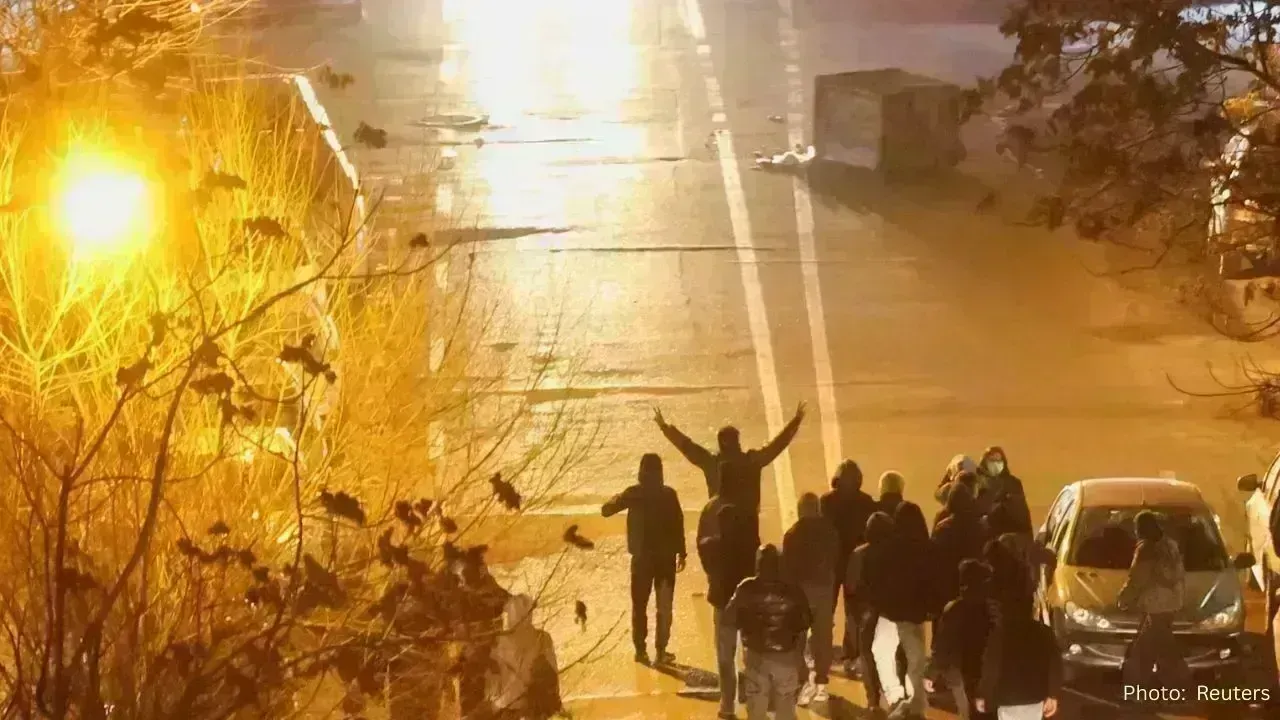
Iran has been shaken by nationwide protests triggered by rising prices and a collapsing currency. Streets in many cities have filled with angry citizens demanding change. Yet, despite weeks of unrest, harsh crackdowns, and growing pressure from abroad, Iran’s clerical establishment still stands firm.
Analysts say the main reason is the strength and unity of the country’s security system. Iran’s leadership is backed by powerful forces such as the Revolutionary Guards and the Basij militia. Together, these groups include close to one million members. They are well organized, deeply loyal to the system, and spread across the country. This makes it very hard for protests alone to bring down the government.
An Iranian official told Reuters that around 2,000 people have been killed during the unrest, though human rights groups report lower numbers. Thousands more have been arrested. The heavy response has frightened many people off the streets, even as anger continues to grow under the surface.
Experts say protests usually succeed only when parts of the state itself begin to break apart. In Iran’s case, there are still no clear signs of high-level defections among military, intelligence, or political elites. Without such cracks at the top, the system can absorb pressure, even if it is weakened.
Supreme Leader Ayatollah Ali Khamenei, now 86 years old, has survived several waves of protests since 2009. This is the fifth major uprising during his rule. Each time, the system has shown an ability to regroup and maintain control, even while losing public trust.
The situation is made more serious by foreign pressure. U.S. President Donald Trump has openly warned Iran over its handling of the protests and said military options remain on the table. These warnings come after last year’s Israeli and U.S. strikes on Iran’s nuclear facilities and senior officials. Still, analysts believe outside threats alone are unlikely to topple the leadership unless they cause divisions inside the state.
Iran’s problems go far beyond the protests. Sanctions have badly damaged the economy, leaving few chances for quick recovery. Regional allies once known as the “Axis of Resistance” have been weakened by conflicts in Lebanon, Syria, and Gaza. Iran’s nuclear program has also suffered setbacks.
Even so, survival does not mean stability. Many experts say Iran is facing one of its most serious crises since the 1979 revolution. Public trust has fallen sharply, and anger continues to simmer. The protests began over economic pain but quickly turned into open rejection of clerical rule.
For now, the leadership remains in place because it still controls the guns, the courts, and the key institutions of power. Until that balance changes, Iran’s rulers are likely to endure, even as the country remains deeply divided and under strain.




The Impact of Consistent Small Investments on Wealth Building
Discover how investing small amounts regularly can positively transform your financial future over t

7.5 Magnitude Earthquake Strikes Japan, Tsunami Alerts Issued
Japan experiences a hefty 7.5 quake, prompting tsunami alerts and safety measures. Stay updated on a
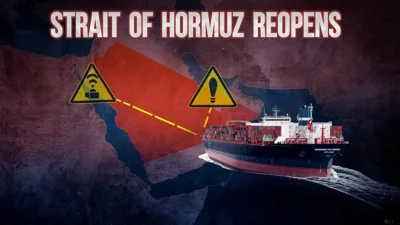
Reopening of the Strait of Hormuz: New Regulations to Impact Global Trade
Iran reopens the strategic Strait of Hormuz with new regulations affecting oil transport and global

Top 10 Must-See Attractions in NYC for First-Time Explorers
Discover essential experiences for first-time visitors to NYC, including attractions, culture, and i

Starbucks Engages Boyu Capital for Major Chinese Expansion
Starbucks teams up with Boyu Capital, selling a majority stake to boost growth and adapt to the Chin
Three Individuals Charged in Massive Meth Trafficking Case in Malaysia
In Malaysia, a married couple and another suspect are charged with trafficking 510kg of meth, facing