Post by : Saif Nasser
Tensions in the Middle East are rising quickly as the conflict involving Iran, the United States, and Israel spreads across several countries. A drone attack targeting a United States military base in Iraq has added to fears that the war could expand further across the region.
According to regional reports, an unmanned drone was directed at a facility connected to U.S. forces near Baghdad’s international airport. The area hosts logistics and support operations linked to the American embassy and military presence in Iraq. Security officials said the attack is part of a wider series of strikes linked to the ongoing war between Iran and its opponents.
The drone strike is one of several incidents that have taken place in recent days as Iran and its allies respond to military operations carried out by the United States and Israel. The conflict has rapidly grown into a regional crisis involving missile strikes, drone attacks, and military operations across multiple countries.
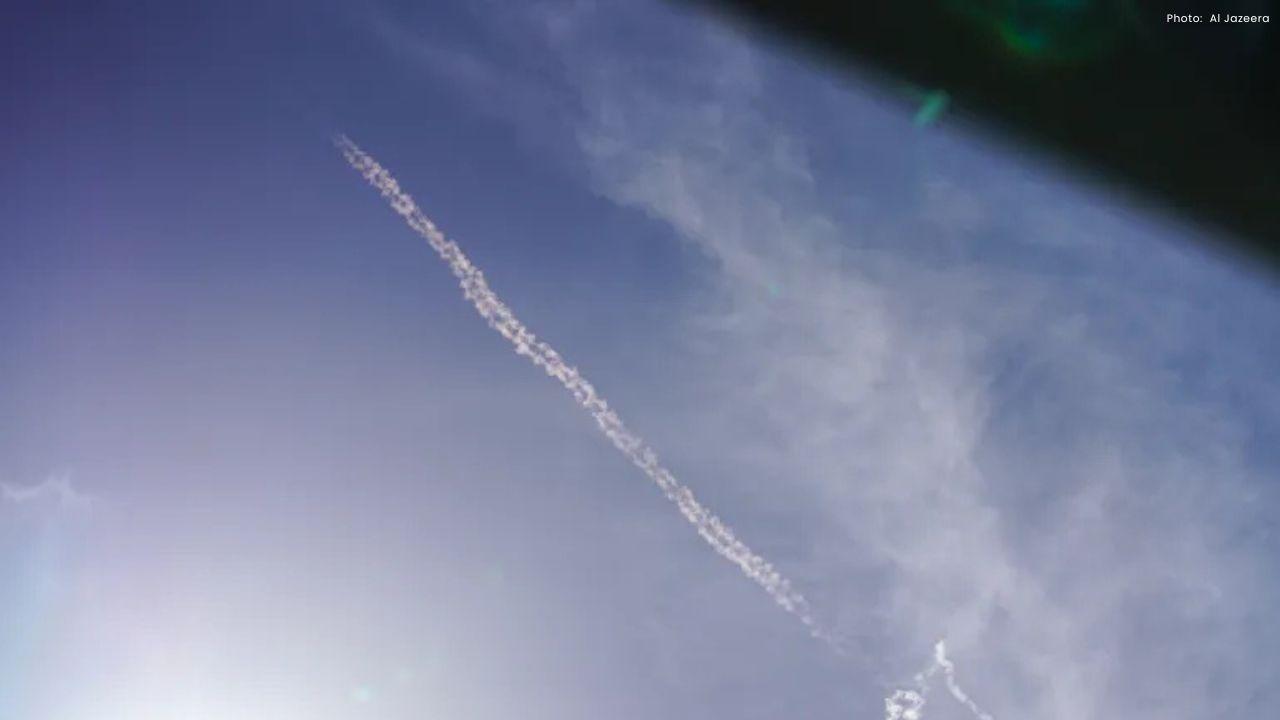
Reports indicate that drones have also targeted locations in Iraq’s northern Kurdish region, including areas around Erbil. Security sources said at least two drones were directed at sites linked to U.S. military activity, though some were intercepted before causing major damage.
The attacks come as Iran continues to launch missiles and drones across the Middle East. Countries including Kuwait, Saudi Arabia, and the United Arab Emirates have also reported explosions or drone interceptions as regional air defenses attempt to stop incoming threats.
Military analysts say these strikes appear to be part of Iran’s strategy to pressure U.S. forces and their allies throughout the region. By targeting bases, embassies, and military infrastructure, Iran may be trying to send a message that the conflict will not remain limited to a single battlefield.
The current crisis began after major air attacks by the United States and Israel on Iranian military and security targets. These strikes reportedly targeted key facilities connected to Iran’s missile programs and military command centers. Since then, Iran has responded with waves of missile launches and drone operations aimed at Israeli territory, U.S. military assets, and other locations across the Middle East.
The growing conflict has created serious concern among governments around the world. Experts warn that attacks on U.S. bases in Iraq could draw additional forces into the war and make the situation even more unstable.
Iraq itself is in a difficult position. The country hosts American military forces that help support security operations and fight extremist groups. At the same time, Iraq maintains political and economic ties with neighboring Iran. Because of this balance, Iraqi leaders are under pressure to prevent their territory from becoming a major battlefield in the wider conflict.
Local officials in Iraq have called for calm and urged all sides to avoid using Iraqi territory for attacks. They fear that continued military strikes could put civilians and infrastructure at risk.
Across the Middle East, air defense systems have been working continuously to intercept incoming drones and missiles. These systems include radar networks, missile interceptors, and fighter aircraft designed to detect and destroy threats before they reach their targets.
However, military experts warn that the increasing use of low-cost attack drones makes defense more difficult. These drones can fly at low altitude and are often harder to detect, which allows some of them to slip past defenses.
The humanitarian impact of the wider war is also growing. Early estimates suggest that more than a thousand people have been killed in Iran since large-scale air strikes began. Casualties have also been reported in Israel and other parts of the region affected by missile and drone attacks.
In addition to the human cost, the conflict is beginning to affect global markets and international transportation. Shipping routes, energy supplies, and airline operations across the Middle East are facing disruptions as military activity increases.
World leaders have called for urgent diplomatic efforts to prevent further escalation. Many countries are urging restraint and warning that a wider regional war could have serious consequences for global stability.
Despite these calls for calm, military activity continues across the region. Air strikes, missile launches, and drone attacks are being reported daily as both sides attempt to gain strategic advantage.
For now, the drone attack on the U.S. base in Iraq is another sign that the conflict is spreading beyond its original boundaries. If the attacks continue, the Middle East could face one of the most dangerous and unpredictable conflicts in recent years.
The coming days may prove critical as governments and military leaders decide whether to escalate the fighting or search for diplomatic solutions to prevent a broader war.









DAE Achieves Remarkable Growth in Q1 2026 With Record Revenue
Dubai Aerospace Enterprise announces impressive financial results for Q1 2026, reflecting a surge in

Price Increase for Sony PS5 in Southeast Asia Effective May 1
Sony announces a price increase for the PS5 across Southeast Asia starting May 1, 2026, impacting ga

Potential ‘Super El Niño’ in 2026: Understanding the Climate Risks
Could a Super El Niño emerge in 2026? Discover its implications and potential global climate impacts

Global Energy Crisis Intensifies: Markets React to Oil Supply Challenges
Markets are on edge as oil disruptions escalate, influencing prices and economic stability. Explore

Must-See Tourist Spots in London You Can't Overlook
Explore London's essential attractions, from royal landmarks to vibrant markets, ensuring an unforge

Ultimate Guide to Snagging Cheap Flights in 2026
Unlock the secrets to booking affordable flights in 2026 with insightful tips and strategies tailore




