Post by : Saif Nasser
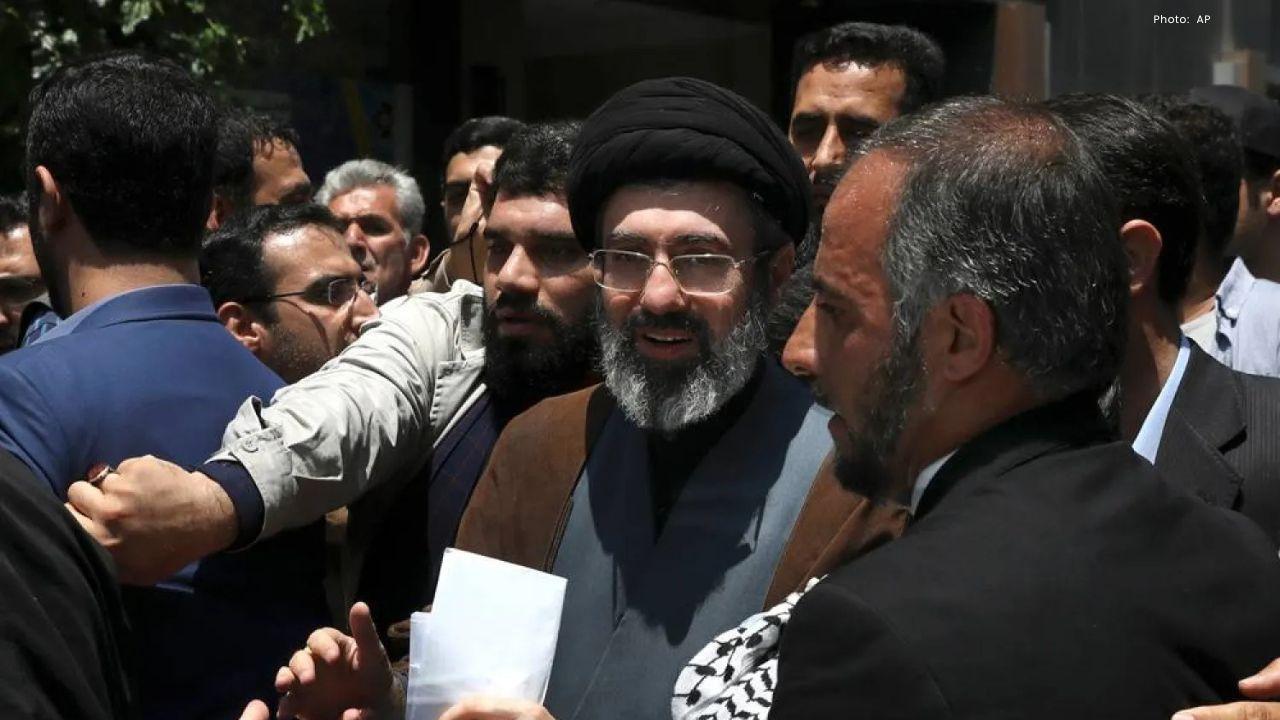
Iran is facing one of the most uncertain moments in its modern history. The country is dealing with war tensions, political pressure, and the sudden question of who will lead the nation next. In the middle of this situation, the name of Mojtaba Khamenei, the son of longtime Iranian leader Ayatollah Ali Khamenei, has begun to appear more often in discussions about the country’s future leadership.
Mojtaba Khamenei has long been seen as a possible candidate to become Iran’s next supreme leader, even though he has never held an official government position. His father led Iran for decades and held the highest authority in the country’s political and religious system. Now, with the country facing conflict and uncertainty, attention has turned toward who might take that powerful role next.
The position of supreme leader in Iran is the most powerful office in the country. The leader has the final say on major national decisions, including foreign policy, the military, and key political appointments. The supreme leader also serves as the commander-in-chief of Iran’s armed forces and has significant influence over the country’s security institutions.
Because of this power, the choice of a new leader is extremely important not only for Iran but also for the wider Middle East and the global political environment.
Mojtaba Khamenei, now in his mid-50s, grew up in a deeply political and religious environment. He was born in 1969 in the Iranian city of Mashhad during a time when his father was already involved in opposition activities against the country’s monarchy before the Islamic Revolution of 1979.
Over the years, Mojtaba studied Islamic theology in the city of Qom, which is the main center of Shiite religious learning in Iran. Although he is known as a cleric, he has mainly worked behind the scenes rather than in public political roles.
Many analysts say he has quietly built strong connections with Iran’s powerful security institutions, especially the Islamic Revolutionary Guard Corps, commonly known as the Revolutionary Guards. These connections are considered important because the Guards hold major influence within Iran’s political system and military structure.
Despite his influence, Mojtaba Khamenei remains a controversial figure inside and outside Iran. Critics say that the idea of a son replacing his father as the country’s leader could create something similar to a political dynasty. Iran’s Islamic Republic was created after a revolution that rejected monarchy and hereditary rule, so some observers believe such a succession could raise serious questions about the country’s political direction.
Supporters, however, argue that Mojtaba’s experience within the political system and his close ties with key institutions make him a strong candidate to lead the country during a difficult time.
Iran’s constitution states that the next supreme leader must be selected by a group known as the Assembly of Experts. This body is made up of clerics who are responsible for choosing the country’s top religious and political authority. The group usually holds discussions privately, which means the public rarely sees how decisions are made inside the council.
The current leadership question has become even more urgent because Iran is facing military tensions and regional conflict. The country’s leadership structure must remain stable while dealing with security threats, economic pressure, and international sanctions.
Some experts say Mojtaba’s connections with the security establishment may increase his chances of gaining support from powerful groups within the government. Others believe that senior clerics may still debate whether he has enough religious authority to hold the position traditionally expected of a supreme leader.
Another concern raised by observers is that choosing Mojtaba quickly could increase tensions with countries that already view Iran’s leadership with suspicion. The Middle East is already facing serious instability, and the decision about Iran’s next leader could influence future relations with the United States, Israel, and other regional powers.
At the same time, many ordinary Iranians are watching the situation closely. Some people hope that a new leadership phase could bring political reforms or economic improvement. Others believe that the system will continue much as it has in the past.
For now, no official decision has been confirmed publicly. However, Mojtaba Khamenei’s growing presence in political discussions shows that he remains one of the most important figures in Iran’s leadership debate.
The coming weeks may prove critical. As Iran faces internal challenges and external pressure, the selection of its next supreme leader will likely shape the country’s future for many years.
Whether Mojtaba Khamenei ultimately takes that role or another figure emerges, the decision will influence Iran’s political path, its relations with other nations, and the stability of a region already facing serious tension.



DAE Achieves Remarkable Growth in Q1 2026 With Record Revenue
Dubai Aerospace Enterprise announces impressive financial results for Q1 2026, reflecting a surge in

Price Increase for Sony PS5 in Southeast Asia Effective May 1
Sony announces a price increase for the PS5 across Southeast Asia starting May 1, 2026, impacting ga

Potential ‘Super El Niño’ in 2026: Understanding the Climate Risks
Could a Super El Niño emerge in 2026? Discover its implications and potential global climate impacts

Global Energy Crisis Intensifies: Markets React to Oil Supply Challenges
Markets are on edge as oil disruptions escalate, influencing prices and economic stability. Explore

Must-See Tourist Spots in London You Can't Overlook
Explore London's essential attractions, from royal landmarks to vibrant markets, ensuring an unforge

Ultimate Guide to Snagging Cheap Flights in 2026
Unlock the secrets to booking affordable flights in 2026 with insightful tips and strategies tailore




