Post by : Saif Nasser
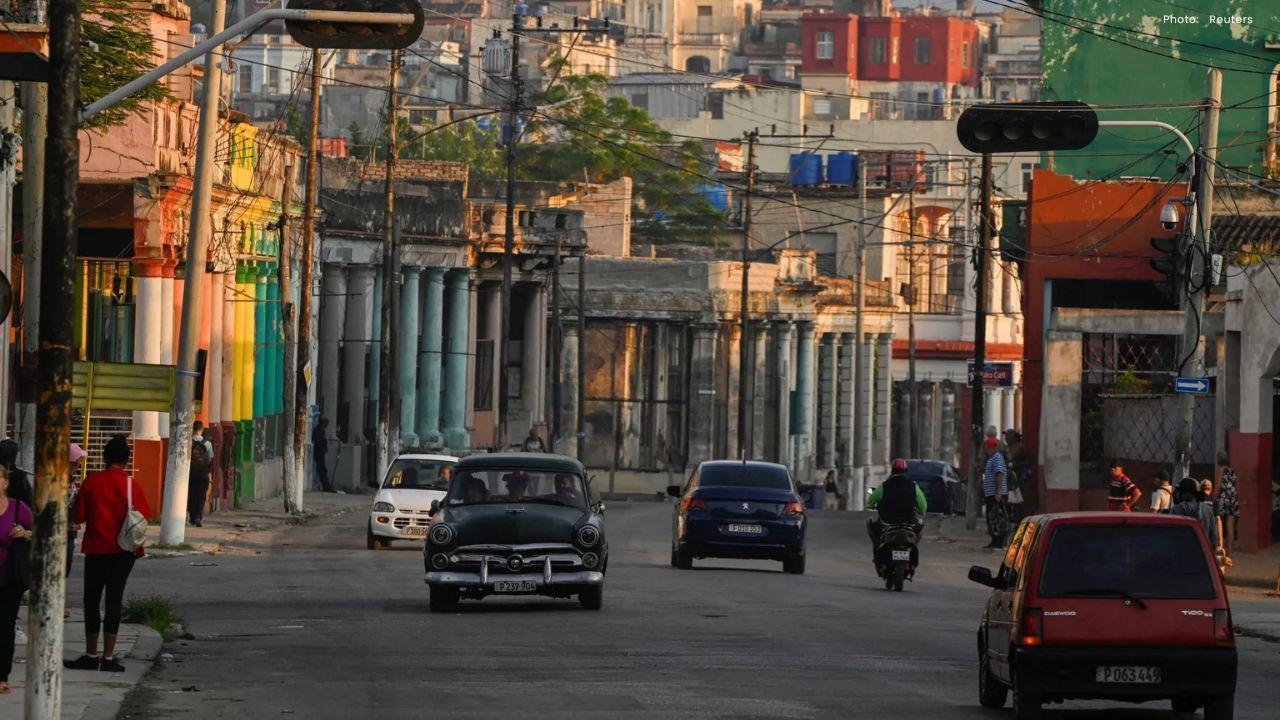
A major power blackout has plunged large parts of Cuba into darkness, leaving millions of people without electricity across the capital city of Havana and other areas in the western part of the island. The sudden outage has disrupted daily life, stopped transportation in some areas, and created serious challenges for hospitals, businesses, and families already dealing with a difficult economic situation.
The blackout began after one of Cuba’s largest power plants suddenly shut down. Officials said the Antonio Guiteras thermoelectric plant, located east of Havana, stopped working because of technical problems, including a leak and damage in the system. This failure caused a chain reaction that led to the collapse of electricity supply across a wide region.
Authorities said the power outage affected areas stretching from the western province of Pinar del Río to the central region of Camagüey. Millions of residents in these areas suddenly lost electricity, leaving homes, shops, and public services without power. Streetlights stopped working, traffic slowed down, and many neighborhoods were forced to rely on candles and small generators during the night.
Government officials warned that restoring electricity will take time. Engineers and technicians are working to repair the damaged power plant and reconnect the national grid, but officials say the process may take at least 72 hours. Repair teams are focusing first on restoring power to essential services such as hospitals, medical clinics, and emergency facilities.
Cuba’s energy and mines minister said the country’s electric system is already under heavy pressure. Several power plants across the island are old and require major repairs. When one large facility fails, the system struggles to continue operating normally. The current blackout is another example of how fragile the national power network has become.
For many people in Havana, power outages have become a regular part of daily life. However, the scale of this blackout has made it much more difficult for residents. Public transportation has slowed, stores have struggled to keep food refrigerated, and many businesses have been forced to close temporarily.
The energy crisis in Cuba has developed over several years. The country has faced growing fuel shortages and difficulties maintaining its aging electricity infrastructure. Many power plants were built decades ago and now suffer frequent mechanical problems.
Another factor affecting the situation is the shortage of oil needed to produce electricity. Cuba depends heavily on imported fuel, particularly from Venezuela. However, recent geopolitical tensions and international sanctions have disrupted these shipments, leaving the country with limited energy supplies.
Because of these shortages, the government has already introduced energy-saving measures in recent months. Public transportation services have been reduced, and some schools and offices have been asked to adjust their schedules to save electricity. Even with these measures, the national grid remains under pressure.
Residents across Havana have tried to adapt to the blackout in different ways. Some people gathered outside their homes to cook food together or share supplies with neighbors. Others waited in long lines for public transportation or searched for stores that still had power through small generators.
Despite the difficult conditions, authorities say they are working around the clock to restore electricity. Engineers are repairing equipment, restarting generators, and gradually reconnecting parts of the power grid. Officials hope that power will slowly return to more neighborhoods over the next few days.
However, the blackout has raised fresh concerns about the future of Cuba’s energy system. Experts say the country will need major investment in power plants, fuel supplies, and modern infrastructure to prevent similar outages in the future.
The crisis also shows how deeply energy shortages can affect daily life. Electricity powers hospitals, transportation systems, food storage, communication networks, and businesses. When power suddenly disappears, the entire economy and society feel the impact.
For now, millions of Cubans are waiting for the lights to come back on. The coming days will show how quickly the country can recover from the latest blackout and whether long-term solutions can be found to stabilize its struggling energy system.








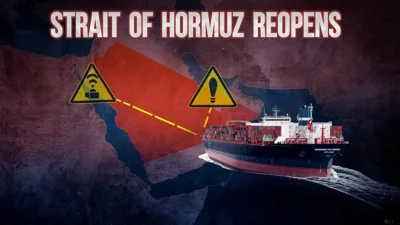
Reopening of the Strait of Hormuz: New Regulations to Impact Global Trade
Iran reopens the strategic Strait of Hormuz with new regulations affecting oil transport and global

Top 10 Must-See Attractions in NYC for First-Time Explorers
Discover essential experiences for first-time visitors to NYC, including attractions, culture, and i

Starbucks Engages Boyu Capital for Major Chinese Expansion
Starbucks teams up with Boyu Capital, selling a majority stake to boost growth and adapt to the Chin
Three Individuals Charged in Massive Meth Trafficking Case in Malaysia
In Malaysia, a married couple and another suspect are charged with trafficking 510kg of meth, facing
Singapore Police Revisit Geylang Murder Scene with Suspect
In Geylang, police return a murder suspect to the scene of a crime involving the fatal stabbing of a