Post by : Saif Nasser
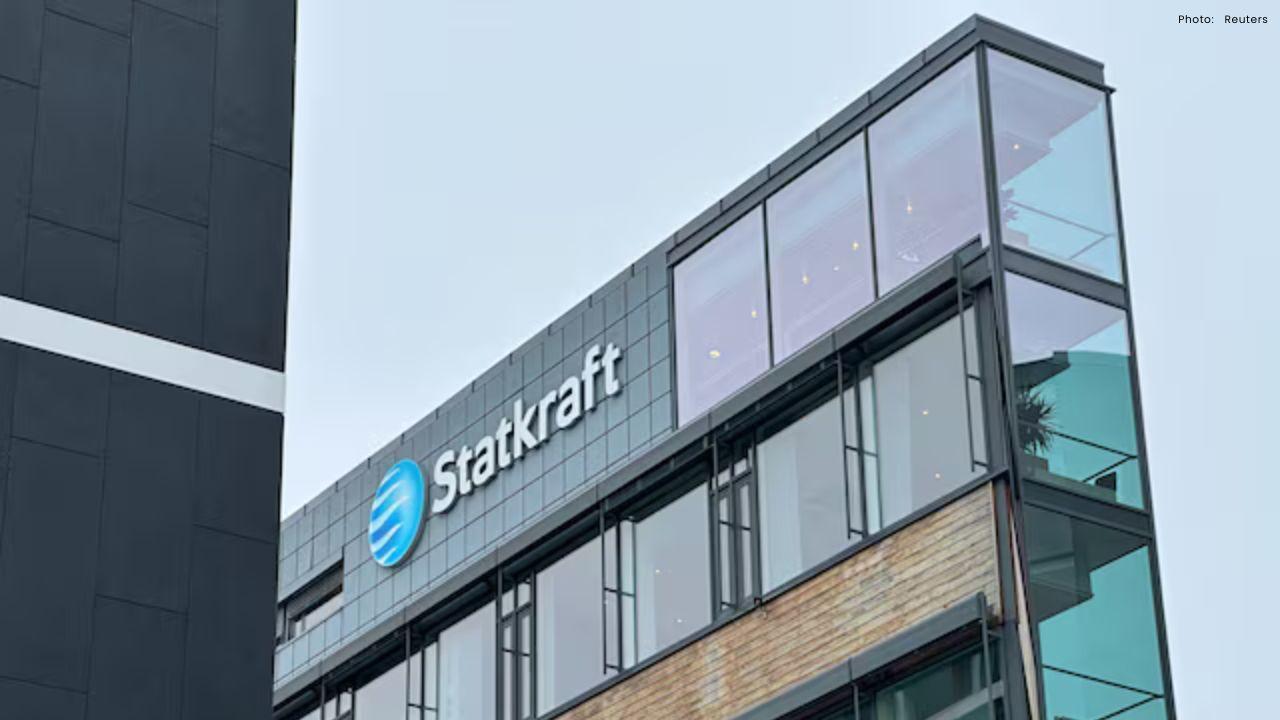
Norway’s state-owned energy company Statkraft has reported stronger financial results for the fourth quarter, showing a rise in its core earnings compared with the same period last year. The improvement was mainly driven by higher electricity prices and slightly increased power production. The results highlight how energy markets continue to influence the performance of major renewable power companies in Europe.
Statkraft said its underlying earnings before interest, tax, depreciation and amortisation—often called EBITDA—reached about 8.3 billion Norwegian crowns during the October-to-December quarter. In the same period a year earlier, the company reported earnings of about 7.1 billion crowns. This represents a year-on-year increase of around 17 percent.
Company officials explained that the rise in earnings was largely linked to stronger electricity prices in the market. When power prices increase, companies that generate electricity can earn more revenue from selling energy to businesses, households, and national power systems. Higher prices during the winter months helped improve the company’s overall financial performance.
Electricity production also showed a small increase during the quarter. Statkraft generated about 19.4 terawatt hours of electricity, slightly higher than the 19.3 terawatt hours produced during the same period the previous year. Even a modest increase in production can have a strong financial impact when energy prices remain relatively high.
Statkraft is one of Europe’s largest producers of renewable energy and the biggest electricity generator in Norway. The company operates hydropower plants, wind farms, and solar projects across several countries. Hydropower remains its main source of electricity, as Norway has large rivers and mountains that provide strong natural conditions for hydroelectric generation.
Another important part of the company’s recent progress has been its financial restructuring. Statkraft said it has reduced its net debt by around 12 billion Norwegian crowns after selling several non-core business units. By selling assets that are not central to its main strategy, the company has improved its financial flexibility and strengthened its balance sheet.
Chief Executive Officer Birgitte Ringstad Vartdal said the company has largely completed its planned sales of non-essential assets. She also noted that cost-cutting measures introduced by the company are moving forward as planned. These steps are intended to make Statkraft more competitive in the fast-changing global energy market.
Energy companies across Europe have faced a complex and sometimes unpredictable market in recent years. Changes in fuel supplies, geopolitical tensions, and climate policies have all affected electricity prices. The shift toward renewable energy has also created both opportunities and challenges for power producers.
For Statkraft, renewable energy remains at the center of its long-term strategy. Hydropower is considered one of the most reliable renewable energy sources because it can generate electricity continuously when water flows through turbines. At the same time, the company has expanded its investments in wind and solar energy to support the global transition toward cleaner power.
Europe has been working to reduce its dependence on fossil fuels and increase the share of renewable energy in its electricity systems. Governments across the region are encouraging investment in wind, solar, and hydropower projects to meet climate goals and strengthen energy security.
Companies like Statkraft play a major role in this transition. By producing renewable electricity, they help countries reduce greenhouse-gas emissions while still providing reliable energy to households and industries. Renewable energy projects also create jobs and support economic growth in many regions.
Despite the positive results in the fourth quarter, energy companies still face several uncertainties. Weather conditions, water levels in hydropower reservoirs, and market demand can all affect electricity production and prices. In addition, global economic trends and political developments may influence energy markets in the coming years.
For now, Statkraft’s latest financial results show that the company remains in a strong position within the European renewable energy sector. Higher earnings and lower debt give the company more flexibility to invest in new projects and technologies.
As countries continue to move toward cleaner energy systems, companies that produce renewable power are expected to play an increasingly important role. Statkraft’s performance demonstrates how renewable energy producers can benefit from rising electricity demand while supporting the long-term goal of building a more sustainable energy future.








Price Increase for Sony PS5 in Southeast Asia Effective May 1
Sony announces a price increase for the PS5 across Southeast Asia starting May 1, 2026, impacting ga

Potential ‘Super El Niño’ in 2026: Understanding the Climate Risks
Could a Super El Niño emerge in 2026? Discover its implications and potential global climate impacts

Global Energy Crisis Intensifies: Markets React to Oil Supply Challenges
Markets are on edge as oil disruptions escalate, influencing prices and economic stability. Explore

Must-See Tourist Spots in London You Can't Overlook
Explore London's essential attractions, from royal landmarks to vibrant markets, ensuring an unforge

Ultimate Guide to Snagging Cheap Flights in 2026
Unlock the secrets to booking affordable flights in 2026 with insightful tips and strategies tailore

The Impact of Consistent Small Investments on Wealth Building
Discover how investing small amounts regularly can positively transform your financial future over t