Post by : Saif Nasser
Venezuela’s acting President Delcy Rodríguez has promised to continue releasing prisoners who were detained during the rule of former President Nicolás Maduro, calling it part of what she described as a “new political moment” for the country. Her statement came during her first press briefing since Maduro was captured by U.S. forces earlier this month and taken to the United States to face drug-trafficking charges.
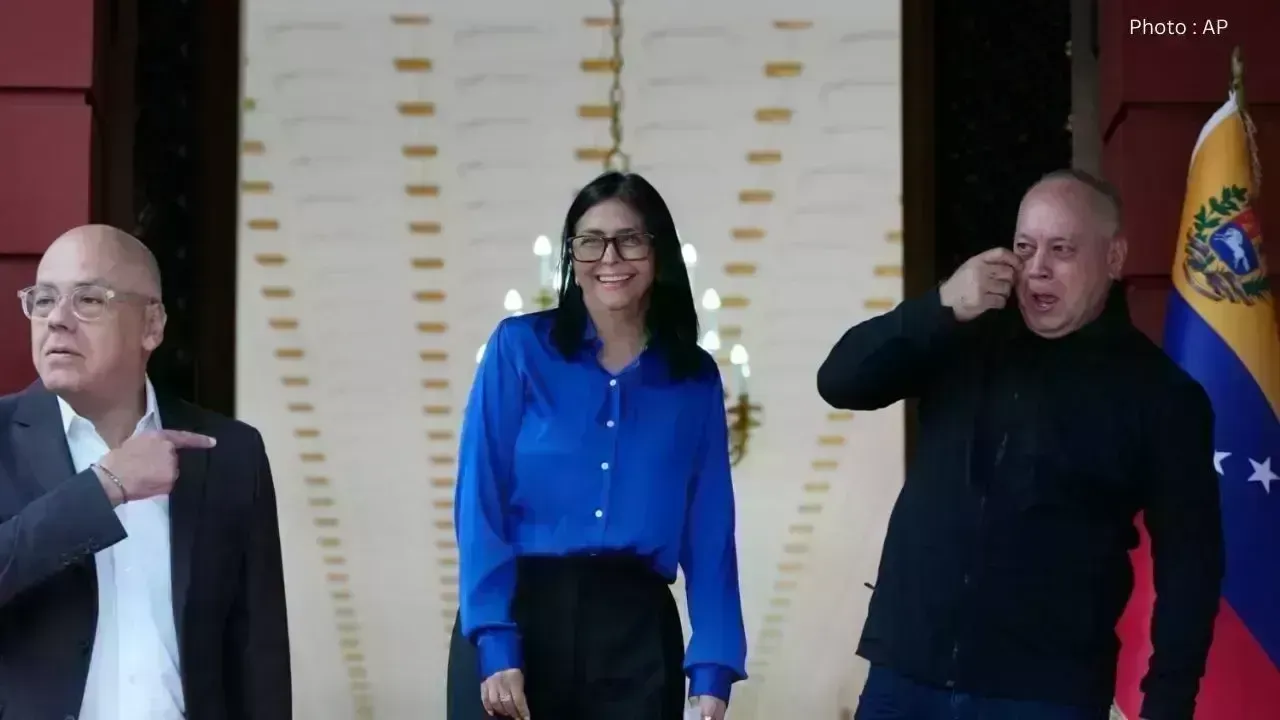
Standing at the presidential palace in Caracas, Rodríguez spoke in a calm and measured tone. She said the process of releasing detainees was still ongoing and had not yet been completed. Her remarks followed days of uncertainty and rising expectations among families of political prisoners, many of whom have waited years for news of their loved ones.
Rodríguez said Venezuela was opening itself to a new phase that allows political and ideological diversity. She presented this message as a sign of change, even as her government remains closely linked to Maduro’s inner circle. Human rights groups estimate that around 800 political prisoners are still being held in Venezuela. These include opposition leaders, journalists, lawyers, soldiers, and activists.
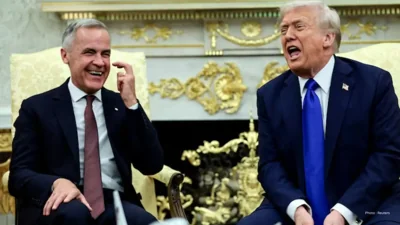
The announcement came as U.S. President Donald Trump confirmed that he had spoken directly with Rodríguez. Trump described their phone call as positive and said relations with Venezuela were improving. This was the first direct contact between the two leaders since Maduro was seized and flown to the U.S. on January 3. Trump has sent mixed signals in recent days, praising dialogue while also warning of tough consequences if cooperation fails.
Unlike past speeches that strongly criticized the United States, Rodríguez avoided mentioning Washington directly. Instead, she focused only on the issue of prisoner releases. At the same time, she criticized organizations that defend prisoners’ rights, accusing them of spreading false information. She stressed that the law would be strictly enforced and said crimes linked to violence, hatred, or threats to constitutional order would not be tolerated.
Rodríguez said Interior Minister Diosdado Cabello was in charge of managing the releases. However, the process has been criticized for being slow and secretive. Families of detainees say they often receive little information and are left waiting outside prisons for days, hoping their relatives will be freed.
The acting president also made it clear that her government does not see the prisoner releases as a complete break from the past. She credited Maduro with starting the process in December, saying he ordered the release of nearly 200 prisoners as a sign of tolerance and national understanding. Rodríguez claimed that more than 400 prisoners have been freed since December, though human rights groups dispute these numbers.
Venezuela’s leading prisoner rights organization, Foro Penal, has verified the release of at least 72 political prisoners since the interim government raised hopes of a large-scale release. Among those freed are journalists, political activists, and members of the opposition. Still, Foro Penal says hundreds remain behind bars and has criticized the government for lacking transparency.
Rodríguez now faces a difficult balancing act. On one side, she must satisfy the United States, which has pressured Venezuela over human rights and oil policy. On the other, she must maintain support from hard-line officials who control the security forces and oppose U.S. influence. Trump has openly warned Rodríguez that failure to cooperate could lead to consequences even worse than those faced by Maduro.
Political analysts say the government is trying to send two messages at once. Inside Venezuela, it wants to show it still holds firm control. Abroad, it wants to appear open to gradual reform by releasing prisoners. This careful approach was visible in Rodríguez’s speech, which offered promises of progress but avoided answering questions or setting clear timelines.
For families of political prisoners, the situation remains painful and uncertain. Candlelight vigils, protests, and prayers continue outside detention centers across the country. While the recent releases have brought hope, many fear the process could slow or stop at any time.
Venezuela now stands at a fragile point in its history. The fall of Maduro, the involvement of the United States, and the promises made by the interim leadership have created expectations of change. Whether these prisoner releases mark the start of real reform or remain a limited political move will shape the country’s future in the weeks ahead.


The Impact of Consistent Small Investments on Wealth Building
Discover how investing small amounts regularly can positively transform your financial future over t

7.5 Magnitude Earthquake Strikes Japan, Tsunami Alerts Issued
Japan experiences a hefty 7.5 quake, prompting tsunami alerts and safety measures. Stay updated on a

Reopening of the Strait of Hormuz: New Regulations to Impact Global Trade
Iran reopens the strategic Strait of Hormuz with new regulations affecting oil transport and global

Top 10 Must-See Attractions in NYC for First-Time Explorers
Discover essential experiences for first-time visitors to NYC, including attractions, culture, and i

Starbucks Engages Boyu Capital for Major Chinese Expansion
Starbucks teams up with Boyu Capital, selling a majority stake to boost growth and adapt to the Chin
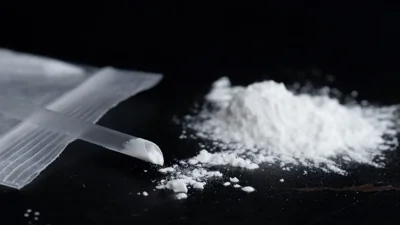
Three Individuals Charged in Massive Meth Trafficking Case in Malaysia
In Malaysia, a married couple and another suspect are charged with trafficking 510kg of meth, facing