Post by : Mina Rahman
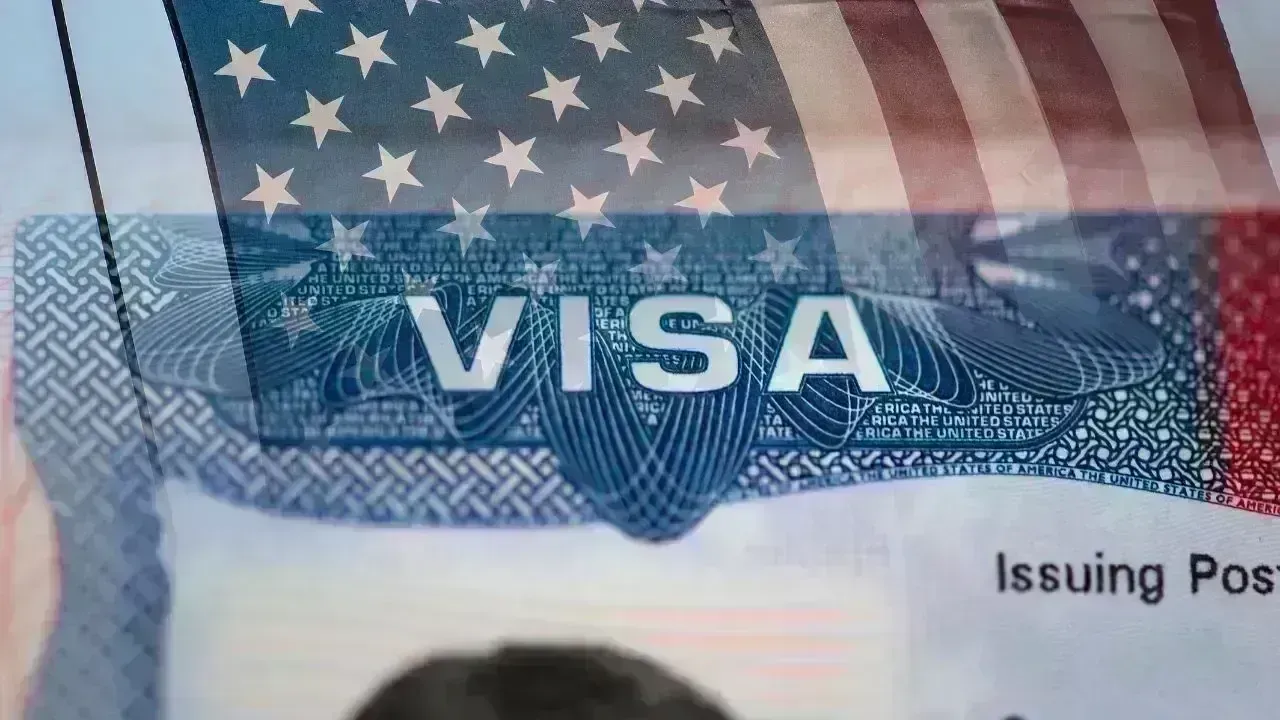
Recent changes to the United States' skilled-worker visa system have resulted in a notable surge of hostility towards Indian professionals and Indian-owned enterprises. Experts link this rising backlash to policy revisions that updated the framework, eligibility requirements, and costs associated with the H-1B visa program.
Announced in September, the new visa structure has raised application costs significantly. Businesses looking to hire skilled foreign workers now face fees that could exceed $100,000. Additionally, the selection process has shifted towards a wage-based model, favoring higher-paying roles and disadvantaging entry and mid-level positions. Proponents of the changes assert that the objective is to protect domestic employment and prevent American job candidates from being undercut by foreign labor.
Critics contend that these policy adjustments have sparked social repercussions extending well beyond employment. Since the rules were implemented, Indian professionals—who comprise a substantial segment of H-1B holders—have become targets of online harassment, coordinated attacks, and unfounded accusations of taking jobs from Americans.
With further restrictions anticipated from February, immigration officials plan to prioritize the highest-paid applicants, predominantly consisting of senior professionals. Analysts caution that this approach could significantly narrow eligibility, effectively excluding a multitude of skilled workers in critical fields such as technology, healthcare, and education.
As the discourse surrounding the visa changes escalated, leading US corporations found themselves embroiled in the controversy. Major multinationals became targets of organized online attacks, facing accusations of illegal hiring practices involving Indian applicants and unjustly replacing American workers with foreigners. These allegations, however, remain unsupported by verified evidence.
Researchers examining extremist behavior suggest that many of these attacks exhibit coordinated characteristics rather than being random occurrences. Indian American entrepreneurs who legally obtained small business loans were notably singled out, with false claims accusing them of fund misappropriation.
Experts indicate that discrimination against Indians in the US has escalated in both intensity and prevalence. Indian professionals are being increasingly portrayed in derogatory ways such as “job stealers” and “visa manipulators,” narratives that quickly proliferate online and are difficult to challenge once established.
Data from advocacy groups demonstrates a definitive rise in threats and derogatory language directed at South Asian communities. The last months of the previous year saw a marked increase in violent threats, while the use of racial slurs against South Asians surged in online spaces.
This heightened animosity coincides with a broader trend of skilled migration from India to the US. For many years, American firms have depended on Indian talent to fill critical gaps where local candidates are scarce. Indian engineers, scientists, physicians, and researchers are crucial in sectors that drive innovation and economic growth.
Tensions further mounted following a widely circulated video showing damage to a delivery vehicle. Despite no confirmed links to immigration or employment issues, discussions rapidly took on personal and racially charged tones, targeted at the Indian-origin CEO involved.
Some social media posts called for an end to what was termed an “Indian takeover” of US companies, with nationalistic commentators fueling claims of displaced American workers, unfounded by any verified data.
The company in question vigorously denied the accusations, asserting that their hiring practices are based on merit, qualifications, and business needs—not nationality. It emphasized its commitment to equal opportunity and noted that its workforce reflects a global diversity, serving clients in over 220 countries.
The rising negativity toward Indian professionals unfolds within a larger narrative of shifting corporate policies in America. Many major companies have scaled back or halted diversity, equity, and inclusion initiatives due to criticism suggesting such programs disadvantage certain groups. Advocates for these initiatives argue they are essential for fostering fair workplaces, while detractors view them as distorting hiring practices.
Analysts observe that the intersection of stricter immigration rules, reduced emphasis on diversity programs, and heated political rhetoric surrounding jobs and national identity has left minority communities—especially Indians—potentially exposed to targeted scrutiny.
Experts warn that if these developments are left unchecked, they could exacerbate social divisions. Skilled migration has historically been pivotal for innovation and global competitiveness in the US. Labeling foreign professionals as scapegoats, they argue, threatens to strain social cohesion while undermining sectors reliant on global talent.
Amid ongoing debates about immigration and employment in the political arena, Indian professionals and businesses find themselves at the heart of an escalating cultural and political strife—one that transcends visa policies and delves into deeper questions of identity and opportunity in contemporary American society.










The Impact of Consistent Small Investments on Wealth Building
Discover how investing small amounts regularly can positively transform your financial future over t

7.5 Magnitude Earthquake Strikes Japan, Tsunami Alerts Issued
Japan experiences a hefty 7.5 quake, prompting tsunami alerts and safety measures. Stay updated on a

Reopening of the Strait of Hormuz: New Regulations to Impact Global Trade
Iran reopens the strategic Strait of Hormuz with new regulations affecting oil transport and global

Top 10 Must-See Attractions in NYC for First-Time Explorers
Discover essential experiences for first-time visitors to NYC, including attractions, culture, and i

Starbucks Engages Boyu Capital for Major Chinese Expansion
Starbucks teams up with Boyu Capital, selling a majority stake to boost growth and adapt to the Chin

Three Individuals Charged in Massive Meth Trafficking Case in Malaysia
In Malaysia, a married couple and another suspect are charged with trafficking 510kg of meth, facing