Post by : Saif Nasser
The United States and Russia have agreed to restart high-level military communication after more than four years without regular contact. This step comes after new rounds of talks linked to the war in Ukraine and signals a possible shift in how the two powerful nations manage tensions between their armed forces.
Military dialogue between Washington and Moscow was largely stopped in late 2021, just before Russia launched its full invasion of Ukraine in February 2022. Since then, relations between the two countries have remained tense, with strong words, sanctions, and military build-ups on both sides. Direct contact between senior officers was limited, raising fears of misunderstandings or accidental clashes.
Now both sides say they will reopen a military-to-military channel. According to officials, the goal is simple but important: reduce the risk of accidents, avoid miscalculation, and keep communication open while political leaders search for ways to end the Ukraine war. The agreement was reached after meetings involving American, Russian, and Ukrainian representatives in the United Arab Emirates.
US European Command said the renewed contact will help provide steady and direct communication between the two militaries while peace efforts continue. Such hotlines and dialogue channels were widely used during earlier tense periods, including the Cold War, to prevent small incidents from turning into major conflicts.
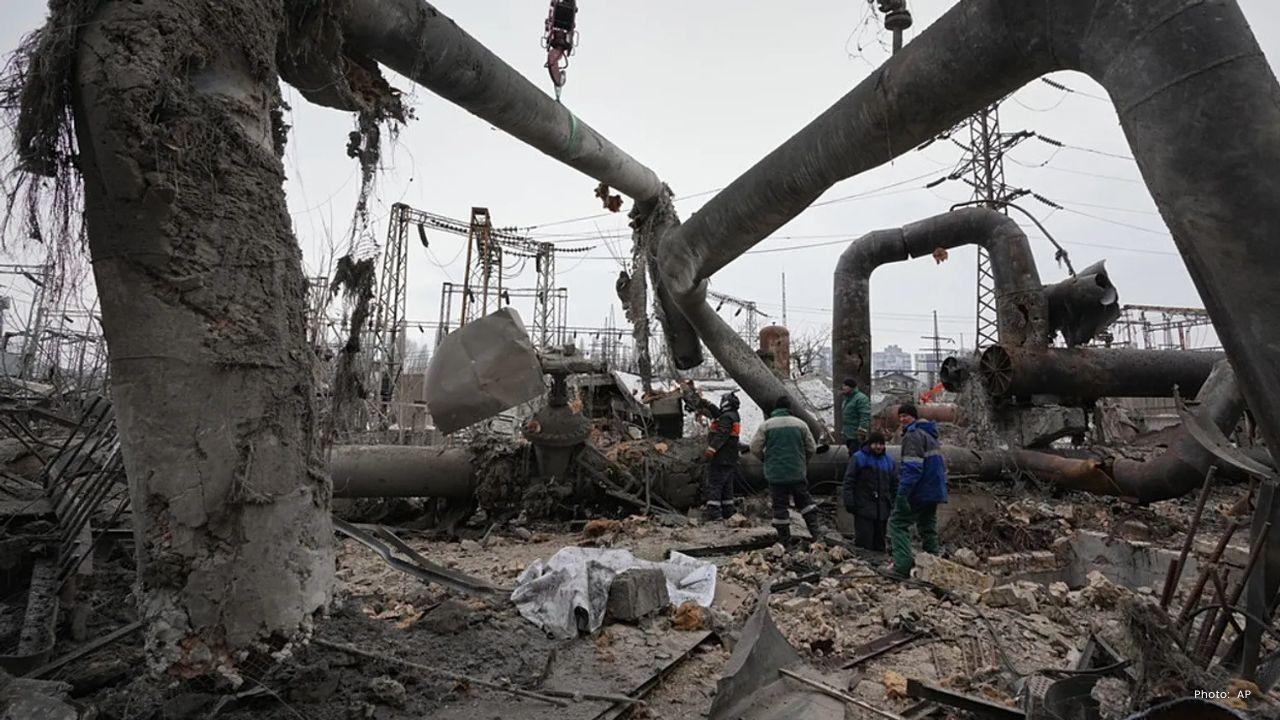
The restart of military dialogue does not mean the war in Ukraine is close to ending. Fighting continues across a long front line in eastern and southern Ukraine. Russian forces have kept up drone and missile attacks, including strikes on power facilities. Ukrainian cities and energy systems have suffered repeated damage, affecting civilians during winter conditions.
At the same time, diplomacy is moving in small steps. Recent meetings have taken place in Abu Dhabi, where delegations from Russia and Ukraine met with US officials. While no major breakthrough has been announced, both sides confirmed a new prisoner exchange after the talks. Russia said it received 157 of its servicemen back, while Ukraine said 150 soldiers and seven civilians were returned. Prisoner swaps are often seen as trust-building steps, even when bigger political disagreements remain.
President Volodymyr Zelenskyy has shared updated figures on Ukraine’s military losses, saying tens of thousands of Ukrainian troops have been killed since the invasion began. Civilian casualties have also continued to rise, according to international monitoring groups. These numbers show the heavy human cost of the conflict and increase pressure on all sides to search for a workable peace path.
The reopening of US–Russia military contact is also tied to safety concerns beyond Ukraine itself. In the past few years, there have been risky encounters between Russian and NATO aircraft and drones, especially over the Black Sea and near NATO borders. In one earlier case, a US drone was lost after an incident involving Russian fighter jets. Each side blamed the other. Without direct communication, such events can quickly become dangerous.
European NATO members are also worried about airspace violations and drone intrusions. There have been cases where Russian drones or aircraft entered or approached allied airspace, forcing NATO jets to respond. Direct military channels can help clarify intentions and prevent panic or overreaction.
Critics warn that reopening dialogue should not be confused with political agreement. The United States, European countries, and Ukraine still have deep differences with Moscow over territory, security guarantees, and responsibility for the war. Supporters of renewed contact say communication is not a reward — it is a safety tool. Even rivals need a phone line when weapons are involved.
Peace efforts remain fragile. Ukraine continues to demand strong security guarantees from Western partners to prevent any future attack. Russia continues to press its own conditions. Between these positions, negotiations move slowly.
Still, restoring military dialogue is a practical step. It lowers the chance of accidental conflict between two nuclear-armed powers. In times of war and distrust, even limited communication can help prevent a bad situation from becoming worse.




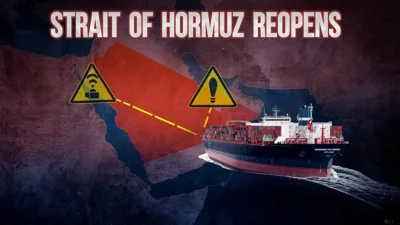
Reopening of the Strait of Hormuz: New Regulations to Impact Global Trade
Iran reopens the strategic Strait of Hormuz with new regulations affecting oil transport and global

Top 10 Must-See Attractions in NYC for First-Time Explorers
Discover essential experiences for first-time visitors to NYC, including attractions, culture, and i

Starbucks Engages Boyu Capital for Major Chinese Expansion
Starbucks teams up with Boyu Capital, selling a majority stake to boost growth and adapt to the Chin

Three Individuals Charged in Massive Meth Trafficking Case in Malaysia
In Malaysia, a married couple and another suspect are charged with trafficking 510kg of meth, facing

Singapore Police Revisit Geylang Murder Scene with Suspect
In Geylang, police return a murder suspect to the scene of a crime involving the fatal stabbing of a