Post by : Saif Nasser
Iran and the United States are preparing for another round of talks in Oman focused on Iran’s nuclear program. These talks come at a very tense time. Iran is facing strong internal unrest after nationwide protests, while the region is still unsettled after recent military clashes. Both sides appear cautious, but they are also under pressure to find a path that avoids a wider war.
Oman has again become the meeting ground for these negotiations. The country has often acted as a quiet bridge between Tehran and Washington when direct talks are difficult. Earlier rounds of discussion had stopped after a short but intense war involving Israel and Iran. During that conflict, key Iranian military and nuclear sites were hit, and damage was reported at facilities linked to uranium enrichment.
Now, months later, both countries are back at the table. The goal, at the very least, is to discuss limits and controls on Iran’s nuclear work. However, there are still many disagreements about what should be included in any final agreement.
The political situation inside Iran has changed sharply. Large protests across the country challenged the leadership and showed deep public anger over economic problems and political controls. Security forces responded with a heavy crackdown. Reports say many people were killed and thousands were arrested. This unrest has weakened the government’s standing and increased outside pressure.
US officials believe Iran’s leadership is more vulnerable now than in many past years. That belief may be shaping Washington’s strategy. The current US administration has taken a tough public stance, warning that failure in talks could lead to stronger action. At the same time, American leaders say they still prefer a negotiated solution over military conflict.
The United States has also increased its military presence in the region. Warships and aircraft have been deployed nearby. This sends a message of readiness, but it also raises fears of miscalculation. Recent incidents at sea and in the air, including drone encounters and ship disputes, show how easily tensions could rise.
Many Gulf Arab countries are worried about what could happen next. They fear that if talks fail and fighting begins, the conflict could spread across the region. Such a war could affect shipping routes, oil supplies, and civilian safety. For them, successful talks are not just about nuclear rules but about regional stability.
There is still confusion about what exactly will be discussed in Oman. Iran says the talks should focus only on its nuclear program. It has long argued that its program is for peaceful energy use. However, the US wants a broader deal. American officials say any real agreement must also cover ballistic missiles, regional armed groups supported by Iran, and human rights concerns inside the country.
Reports suggest that some mediators have offered compromise ideas. One proposal includes a temporary pause in high-level uranium enrichment and moving some enriched material out of Iran for a set time. Iranian advisers have publicly rejected fully ending enrichment or shipping out all nuclear material, calling those steps unacceptable.
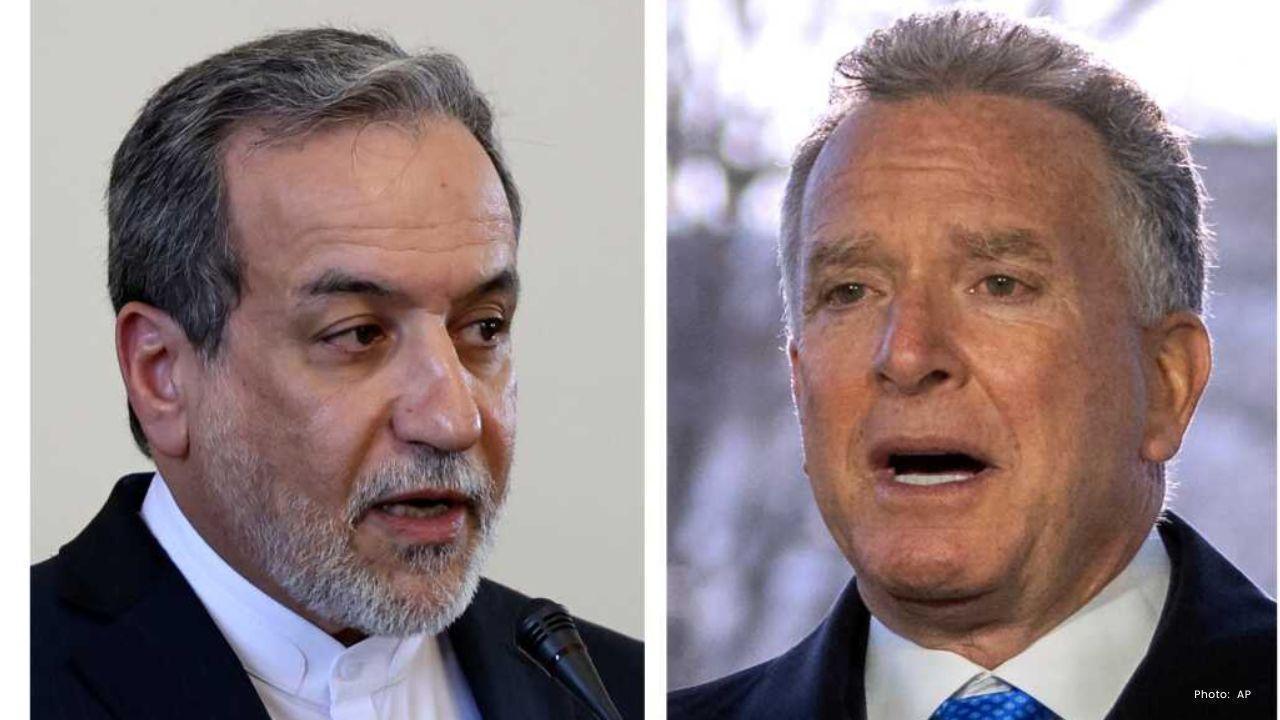
The people leading the talks are also notable. Iran has sent senior diplomats with long experience in negotiations. On the US side, a special envoy close to the president is expected to lead discussions. This shows that both governments are treating the meeting seriously, even if public trust between them remains very low.
These talks matter far beyond Iran and the United States. Nuclear risks, regional wars, and energy markets are all connected. A breakdown could increase the chance of military action. Even a small agreement could lower tensions and open the door for more progress later.
History shows that deals with Iran are difficult and slow. Each side worries about giving too much and getting too little. Still, dialogue is often safer than silence. When rivals keep talking, even in anger, there is still a chance to prevent disaster.
The Oman meeting may not produce a final deal right away. But it can test whether both sides are ready to move away from threats and toward rules. In a region already under strain, that effort alone carries real value.






Reopening of the Strait of Hormuz: New Regulations to Impact Global Trade
Iran reopens the strategic Strait of Hormuz with new regulations affecting oil transport and global

Top 10 Must-See Attractions in NYC for First-Time Explorers
Discover essential experiences for first-time visitors to NYC, including attractions, culture, and i

Starbucks Engages Boyu Capital for Major Chinese Expansion
Starbucks teams up with Boyu Capital, selling a majority stake to boost growth and adapt to the Chin

Three Individuals Charged in Massive Meth Trafficking Case in Malaysia
In Malaysia, a married couple and another suspect are charged with trafficking 510kg of meth, facing

Singapore Police Revisit Geylang Murder Scene with Suspect
In Geylang, police return a murder suspect to the scene of a crime involving the fatal stabbing of a