Post by : Saif Nasser
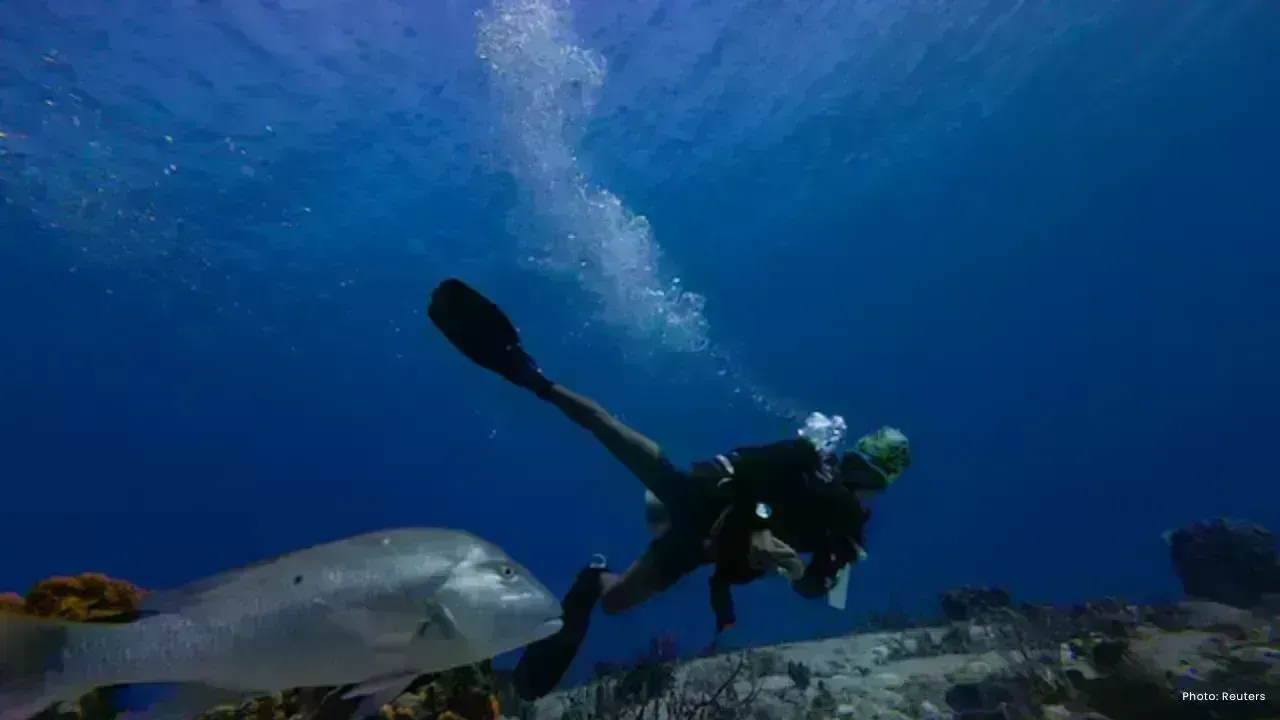
A major global agreement to protect ocean life officially came into force on Saturday, marking a historic step in the fight to save the world’s seas. The United Nations biodiversity treaty, known as Biodiversity Beyond National Jurisdiction, sets clear rules to protect marine ecosystems in international waters and aims to bring 30 percent of the world’s oceans under protection by 2030.
The treaty covers the high seas, which lie beyond the control of any single country. These waters make up nearly two-thirds of the world’s oceans and almost half of the planet’s surface. Until now, they had very limited legal protection, despite facing serious threats such as overfishing, pollution, and climate change.
After nearly 15 years of difficult negotiations, the treaty was finalized in March 2023. It became legally active after at least 60 countries ratified it, a target reached in September last year. Since then, more than 80 countries have joined, including China, Brazil, and Japan. Other nations are expected to follow soon, though some major countries, including the United States, have not yet completed ratification.
The agreement allows countries to create marine protected areas in international waters. These areas will limit harmful activities and help restore fragile ecosystems such as coral reefs, deep-sea habitats, and important breeding grounds for marine life. Experts say this is the first time the high seas will be governed by a strong and comprehensive legal system focused on conservation.
Under the treaty, countries must carry out environmental impact assessments before approving activities that could harm ocean ecosystems. This includes fishing, shipping, and other commercial operations. The treaty also introduces rules to fairly share benefits from marine genetic resources, which are used in industries like medicine, cosmetics, and biotechnology.
Environmental groups say the treaty is a powerful tool but warn that much work lies ahead. To reach the “30 by 30” goal, more than 190,000 marine protected areas would need to be created. At present, only about 8 percent of the oceans are protected, leaving a large gap to close within the next few years.
While the treaty is widely praised, it does not address every threat facing the oceans. Deep-sea mining, which many scientists see as a serious risk to marine ecosystems, is governed by a different international body. This means the new treaty has limited power to stop or regulate mineral extraction from the ocean floor.
Still, experts say the agreement sends a strong message that protecting the oceans is a global responsibility. With rising pressure on marine resources, the success of the treaty will depend on how seriously countries act on their promises and how quickly they move to protect vulnerable areas.
As climate change and human activity continue to damage the seas, the treaty offers hope that the world can work together to preserve ocean life for future generations. Whether it meets its ambitious goals will depend on global cooperation, strong enforcement, and the political will to put nature first.







The Impact of Consistent Small Investments on Wealth Building
Discover how investing small amounts regularly can positively transform your financial future over t

7.5 Magnitude Earthquake Strikes Japan, Tsunami Alerts Issued
Japan experiences a hefty 7.5 quake, prompting tsunami alerts and safety measures. Stay updated on a
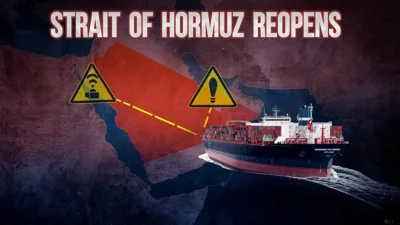
Reopening of the Strait of Hormuz: New Regulations to Impact Global Trade
Iran reopens the strategic Strait of Hormuz with new regulations affecting oil transport and global

Top 10 Must-See Attractions in NYC for First-Time Explorers
Discover essential experiences for first-time visitors to NYC, including attractions, culture, and i

Starbucks Engages Boyu Capital for Major Chinese Expansion
Starbucks teams up with Boyu Capital, selling a majority stake to boost growth and adapt to the Chin

Three Individuals Charged in Massive Meth Trafficking Case in Malaysia
In Malaysia, a married couple and another suspect are charged with trafficking 510kg of meth, facing