Post by : Saif Nasser
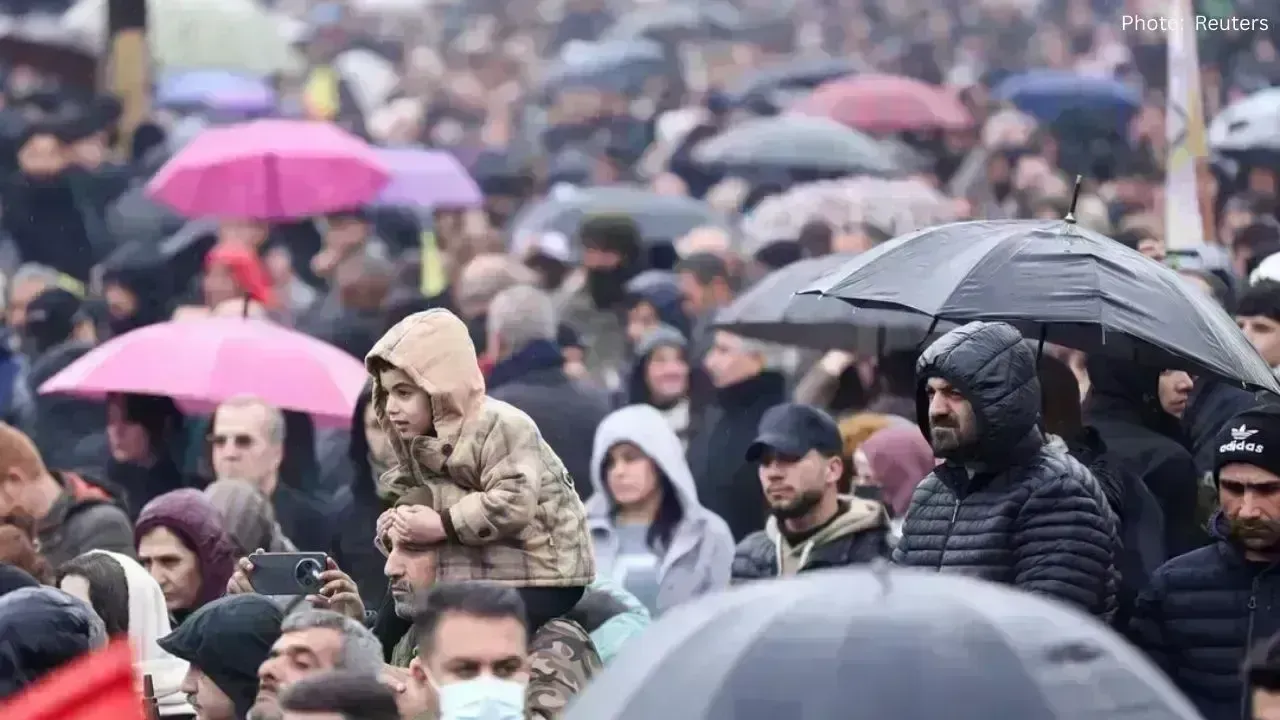
Thousands of Syrian Kurds marched in the streets this week to protest recent violence in Aleppo, as concerns grow that Syria may be heading toward another period of unrest. The demonstrations took place mainly in the northeastern city of Qamishli, where people gathered despite heavy rain to express anger, grief, and fear over the latest fighting.
The protests followed several days of deadly clashes in Aleppo that forced Kurdish fighters to withdraw from areas they had controlled for more than a decade. Many protesters carried photos of Kurdish fighters who were killed during the fighting. Others held banners with Kurdish symbols, calling for justice and protection of Kurdish rights. For many families, the march was not just about Aleppo but about their future in Syria.
The violence in Aleppo lasted nearly five days and left dozens dead, according to different accounts from Syrian authorities and Kurdish officials. Thousands of civilians were forced to flee their homes in Kurdish-run neighborhoods such as Sheikh Maksoud and Ashrafiya. Fear spread quickly as families escaped gunfire and shelling, unsure if they would ever be able to return.
After a ceasefire agreement, the last fighters from the Kurdish-led Syrian Democratic Forces left Aleppo on January 11. This marked the end of Kurdish control in those parts of the city, areas they had held since the Syrian conflict began in 2011. While the ceasefire stopped the fighting for now, it did not calm the worries of the Kurdish community.
Many Kurds believe the events in Aleppo show how fragile peace remains in Syria. President Ahmed al-Sharaa, who came to power after the removal of Bashar al-Assad in late 2024, has promised to unite the country after years of war. However, Kurdish leaders remain cautious and doubtful, especially after the recent bloodshed.
Kurds control a semi-autonomous region in northeastern Syria and have long demanded recognition of their political and cultural rights. An agreement signed in March 2025 aimed to integrate Kurdish authorities into the central government, but progress has been slow. After the Aleppo clashes, Kurdish official Ilham Ahmad warned that the deal could be canceled if government forces continue military actions against Kurdish-held areas.
During the protests, emotions were strong. Some banners showed images of Syria’s president and Turkey’s foreign minister crossed out, accusing them of being responsible for Kurdish suffering. Turkey has long accused the Syrian Democratic Forces of having links to banned groups, a claim Kurdish leaders strongly deny.
Many protesters said the Aleppo violence has deepened their distrust of the new government. They fear that without clear legal protection, Kurdish communities could face more attacks in the future. Community leaders stressed that true unity in Syria cannot happen unless Kurdish rights are clearly protected in the constitution.
Tensions remain high as Syria’s defense ministry declared parts of eastern Aleppo a closed military zone and ordered armed groups to withdraw further east. This announcement has increased fears that fighting could spread to other areas controlled by Kurds.
For many Kurds, the recent violence brings back painful memories of past attacks on minority groups in Syria. Some protesters compared the situation to earlier violence against Alawite and Druze communities, warning that the country risks repeating tragic mistakes.
Residents at the protest warned that a full-scale conflict would only bring more suffering to ordinary people. They said war would deepen divisions and make peaceful coexistence between Syria’s communities even harder.
International voices have called for calm. The head of U.S. Central Command urged all sides to show restraint and return to negotiations, stressing the need for dialogue instead of violence. These calls reflect growing global concern about Syria’s fragile stability.
For families displaced by the fighting, daily life has become uncertain. Many lost homes, jobs, and access to schools. Children, in particular, are struggling with fear and confusion as their parents search for safety.
Syria now stands at a critical moment. After more than a decade of war, people hoped the country was finally moving toward peace. The clashes in Aleppo show how quickly tensions can return if trust breaks down.
The protests by Syrian Kurds send a clear message. They want safety, dignity, and a meaningful role in shaping Syria’s future. Whether Syria moves toward peace or slips back into conflict will depend on the choices made in the coming days. Dialogue, respect for minority rights, and restraint remain the only path toward lasting stability.





The Impact of Consistent Small Investments on Wealth Building
Discover how investing small amounts regularly can positively transform your financial future over t

7.5 Magnitude Earthquake Strikes Japan, Tsunami Alerts Issued
Japan experiences a hefty 7.5 quake, prompting tsunami alerts and safety measures. Stay updated on a
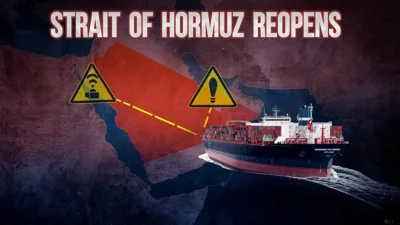
Reopening of the Strait of Hormuz: New Regulations to Impact Global Trade
Iran reopens the strategic Strait of Hormuz with new regulations affecting oil transport and global

Top 10 Must-See Attractions in NYC for First-Time Explorers
Discover essential experiences for first-time visitors to NYC, including attractions, culture, and i

Starbucks Engages Boyu Capital for Major Chinese Expansion
Starbucks teams up with Boyu Capital, selling a majority stake to boost growth and adapt to the Chin

Three Individuals Charged in Massive Meth Trafficking Case in Malaysia
In Malaysia, a married couple and another suspect are charged with trafficking 510kg of meth, facing