Post by : Saif Nasser
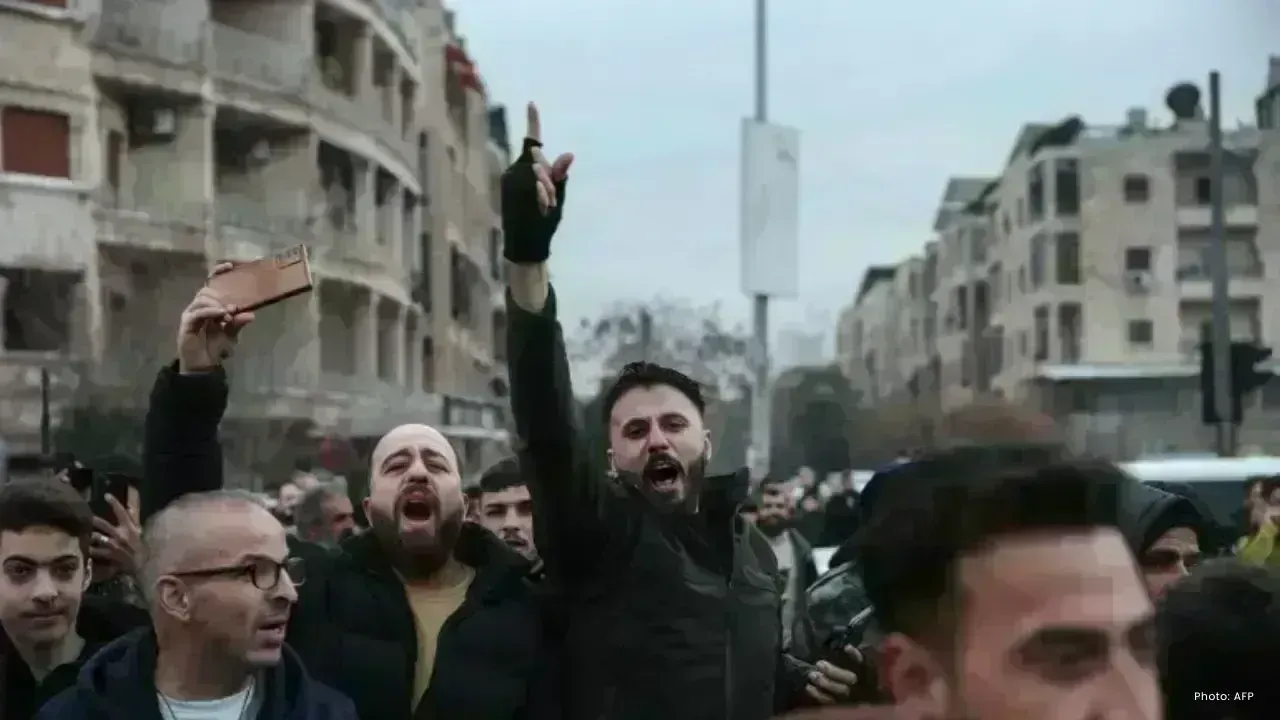
Syria has taken a historic and symbolic step by formally recognising the rights of its Kurdish population, one of the country’s largest ethnic minorities. A new presidential decree issued this week marks the first time the Syrian state has officially acknowledged Kurdish identity, language, and cultural rights in law.
For decades, Kurds in Syria have lived under strict policies that limited their basic rights. Many were denied citizenship, barred from using their language in schools, and prevented from celebrating their cultural traditions openly. These restrictions created generations of stateless people and deepened mistrust between Kurdish communities and the central government.
The new decree changes this long-standing reality. It restores Syrian citizenship to Kurds who were previously stripped of it or never recognised as citizens. This decision is expected to give thousands of people access to basic rights such as education, healthcare, travel documents, and legal protection.
One of the most important parts of the decree is the official recognition of the Kurdish language as a national language alongside Arabic. This allows Kurdish to be taught in schools and used in cultural and social life without fear. For many Kurdish families, this is a moment of pride after years of seeing their language pushed aside.
The decree also recognises Kurdish culture at the national level by declaring March 21, known as Nowruz, a paid public holiday across Syria. Nowruz is a major cultural celebration for Kurds and symbolises renewal, unity, and hope. Making it a national holiday sends a message of inclusion to Kurdish citizens.
In addition, the decree promises protection for Syria’s cultural and ethnic diversity. It states that discrimination based on language or ethnicity is not acceptable and that all communities are part of the Syrian nation. The government has said this move is meant to strengthen unity after years of conflict and division.
However, the announcement comes at a sensitive time. Syria is still recovering from years of war, and tensions remain high in parts of the country where Kurdish-led groups control territory. Some Kurdish leaders have welcomed the decree but say real change will depend on how the promises are carried out on the ground.
Experts note that passing a decree is only the first step. Schools will need trained teachers, public offices will need clear rules, and local authorities must respect the new rights. Without proper action, there is a risk that the decree could remain symbolic rather than practical.
Still, many see this moment as a turning point. For the first time, the Syrian state has officially accepted that Kurds are not outsiders but a core part of the nation. If fully implemented, the decree could help heal old wounds and open a new chapter based on equality and mutual respect.
Syria’s decision sends a strong message across the region: lasting stability cannot be built without recognising diversity and giving all citizens a voice in the nation’s future.







The Impact of Consistent Small Investments on Wealth Building
Discover how investing small amounts regularly can positively transform your financial future over t

7.5 Magnitude Earthquake Strikes Japan, Tsunami Alerts Issued
Japan experiences a hefty 7.5 quake, prompting tsunami alerts and safety measures. Stay updated on a

Reopening of the Strait of Hormuz: New Regulations to Impact Global Trade
Iran reopens the strategic Strait of Hormuz with new regulations affecting oil transport and global

Top 10 Must-See Attractions in NYC for First-Time Explorers
Discover essential experiences for first-time visitors to NYC, including attractions, culture, and i

Starbucks Engages Boyu Capital for Major Chinese Expansion
Starbucks teams up with Boyu Capital, selling a majority stake to boost growth and adapt to the Chin

Three Individuals Charged in Massive Meth Trafficking Case in Malaysia
In Malaysia, a married couple and another suspect are charged with trafficking 510kg of meth, facing