Post by : Saif Nasser
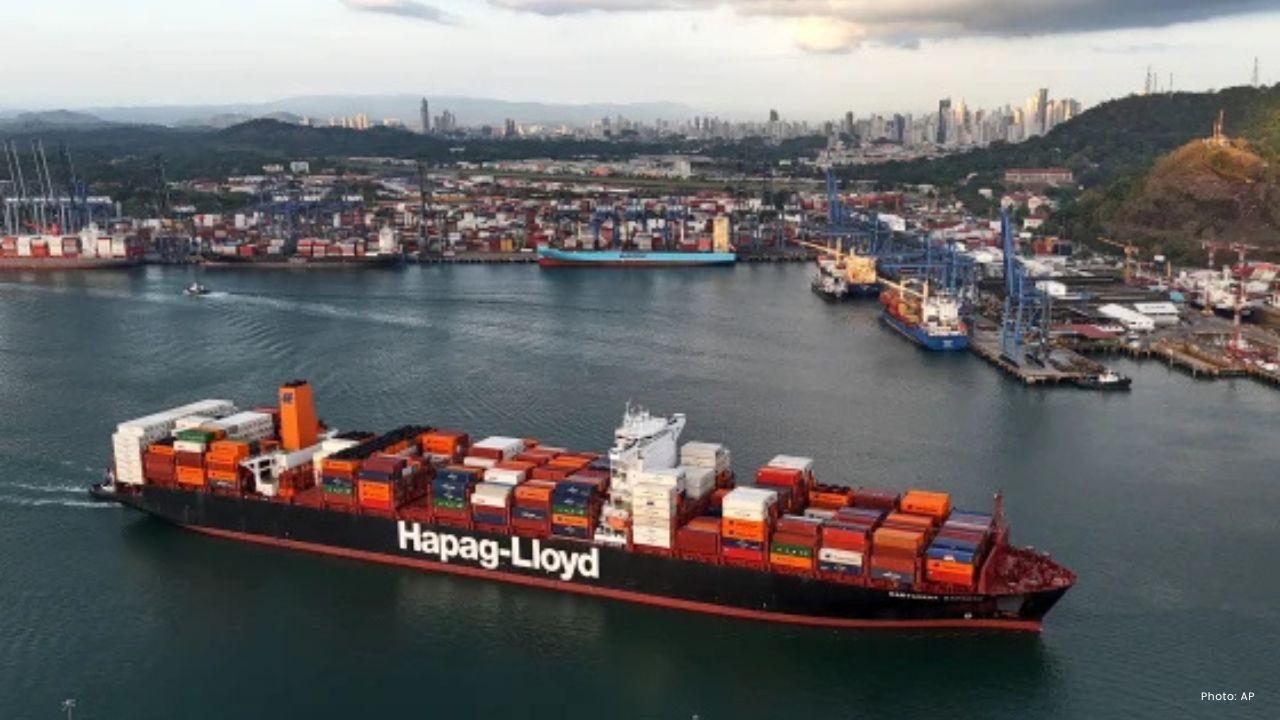
Panama’s Supreme Court has ruled that the concession allowing a Hong Kong-linked company to operate ports at both ends of the Panama Canal is unconstitutional. This decision has serious legal, economic, and political meaning for Panama and for global trade, as the canal is one of the world’s most important shipping routes.
The ruling affects Panama Ports Company, a subsidiary of CK Hutchison Holdings based in Hong Kong. The company has operated the ports since 1997, and its contract was extended in 2021 for another 25 years. Panama’s comptroller later audited this extension and raised concerns about how it was approved. The audit claimed that the extension did not follow constitutional rules and lacked proper approval from oversight authorities.
According to the comptroller, the audit uncovered unpaid fees, accounting mistakes, and unclear operations within the ports. Officials said these problems may have cost the Panamanian government hundreds of millions of dollars over many years. The comptroller also said his office was not properly consulted before the extension was granted, which is required by law.
The Supreme Court’s decision supports the audit’s findings but does not explain what will happen next. It does not say whether port operations will stop or how the government should take control. This uncertainty has raised questions about how Panama will manage the ports without harming trade and jobs.
The ruling has also drawn strong international reaction. The United States has long expressed concern about any Chinese-linked presence near the Panama Canal, calling it a national security issue. U.S. officials have said they want to prevent foreign influence over the canal, even though Panama has repeatedly said the canal itself remains fully under Panamanian control.
The Hong Kong company has rejected the court’s ruling, saying its concession was awarded through a fair and open process. It warned that the decision could hurt investor confidence and affect thousands of Panamanian families who depend on port activity. The company said it may take legal action but did not provide details.
Hong Kong authorities also criticized the ruling, saying foreign pressure should not be used to damage the interests of Hong Kong businesses. China’s foreign ministry said it would take steps to protect the rights of what it called a Chinese company, though it did not explain what those steps might be.
Political experts in Panama believe port operations are unlikely to stop immediately. They say the matter now moves to the executive branch, which must decide how to manage the ports under the court’s ruling while keeping trade running smoothly.
This case highlights how business, law, and global politics are closely linked. Panama now faces the challenge of defending its constitution, protecting public money, and maintaining its role as a key hub for world trade, all at the same time.








7.5 Magnitude Earthquake Strikes Japan, Tsunami Alerts Issued
Japan experiences a hefty 7.5 quake, prompting tsunami alerts and safety measures. Stay updated on a

Reopening of the Strait of Hormuz: New Regulations to Impact Global Trade
Iran reopens the strategic Strait of Hormuz with new regulations affecting oil transport and global

Top 10 Must-See Attractions in NYC for First-Time Explorers
Discover essential experiences for first-time visitors to NYC, including attractions, culture, and i

Starbucks Engages Boyu Capital for Major Chinese Expansion
Starbucks teams up with Boyu Capital, selling a majority stake to boost growth and adapt to the Chin

Three Individuals Charged in Massive Meth Trafficking Case in Malaysia
In Malaysia, a married couple and another suspect are charged with trafficking 510kg of meth, facing