Post by : Saif Nasser
The United States and Russia are approaching a critical moment that could reshape global security. With the New START nuclear arms control treaty set to expire soon, both countries may enter a new nuclear arms race, something the world has not seen since the Cold War era.
The New START treaty, which ends on February 5, places clear limits on how many nuclear warheads and long-range delivery systems each side can deploy. For years, this agreement has helped reduce tensions, control military costs, and lower the chances of a dangerous misunderstanding between the world’s two largest nuclear powers.
If the treaty expires without a replacement or extension, there will be no legal limits on US and Russian nuclear weapons for the first time in more than five decades. Since the early 1970s, a series of agreements helped prevent unchecked competition after both nations realized how destructive an unlimited nuclear buildup could be.
Russian President Vladimir Putin has suggested keeping the current limits for one more year to allow time for further talks. However, US President Donald Trump has not formally agreed to this idea. Trump has said that the treaty should be replaced with a stronger deal and has also suggested that letting it expire may be an option.
Experts warn that losing this treaty would increase global risk. Arms control agreements are not only about numbers. They also require transparency, such as sharing data and allowing inspections. These steps help both sides understand each other’s actions and reduce fear. Without them, countries may assume the worst and respond by building more weapons.
The issue has become more complex due to China’s growing nuclear program. Although China still has fewer nuclear weapons than the US or Russia, its rapid expansion has raised concern in Washington. Some US officials believe America must be ready to face two nuclear rivals at the same time and argue that current limits are too restrictive.
China, however, has rejected calls to join nuclear talks. Beijing says it should not be expected to negotiate when its arsenal is far smaller than those of the US and Russia. This disagreement has made it harder to build a new global framework for arms control.
Creating a new treaty will also be challenging because modern weapons have changed. Russia has developed new nuclear systems that are not covered under New START, while the United States is planning advanced missile defense programs. Both sides see these moves as threats to the balance of power.
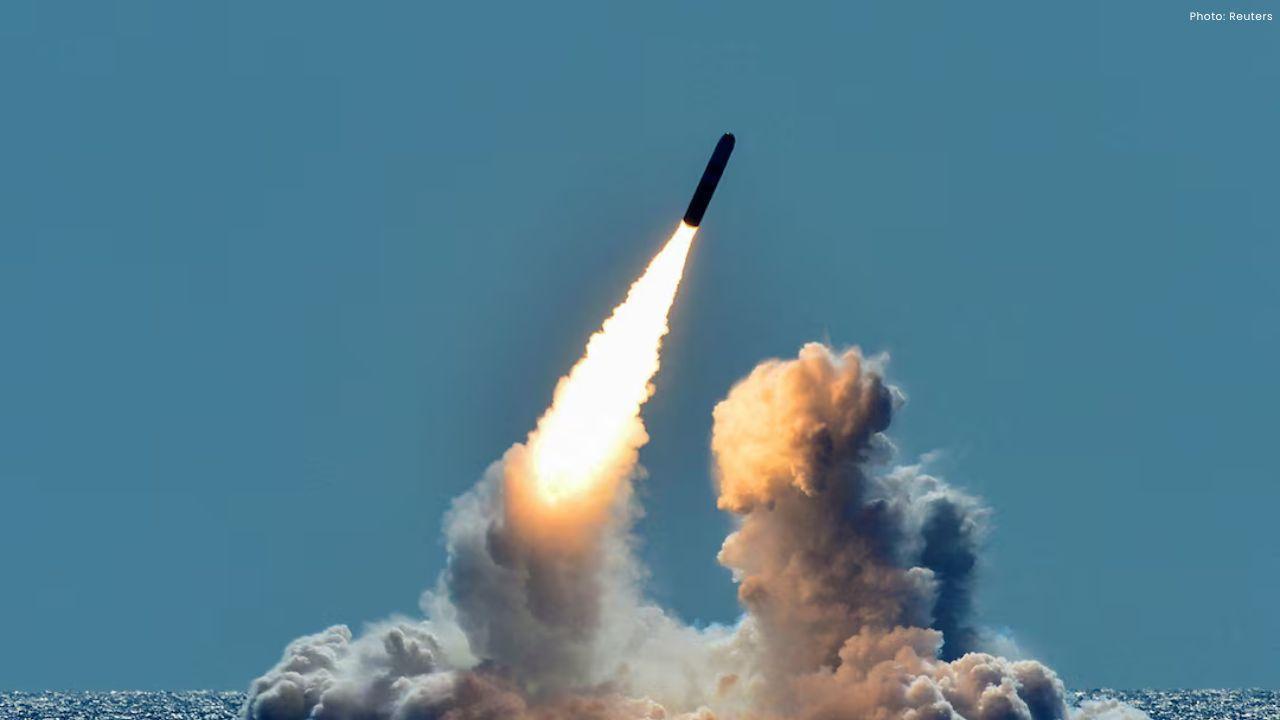
Money is another concern. The United States is already spending vast sums to upgrade its nuclear forces, including submarines, missiles, and bombers. Estimates suggest this effort could cost nearly one trillion dollars over the next ten years. A renewed arms race would push costs even higher without guaranteeing greater safety.
Supporters of arms control argue that more nuclear weapons do not make the world safer. Instead, they increase the risk of accidents and sudden escalation during a crisis. Critics, however, say Russia cannot be trusted, pointing to its past actions that reduced cooperation under existing agreements.
As the deadline approaches, the choices made by Washington and Moscow will have long-lasting effects. A short extension could keep limits in place and allow time for careful talks. If no deal is reached, the world may face a new era of nuclear competition, with higher risks and fewer safeguards for global peace.






7.5 Magnitude Earthquake Strikes Japan, Tsunami Alerts Issued
Japan experiences a hefty 7.5 quake, prompting tsunami alerts and safety measures. Stay updated on a
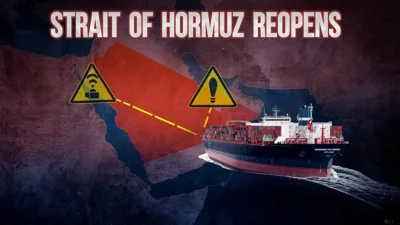
Reopening of the Strait of Hormuz: New Regulations to Impact Global Trade
Iran reopens the strategic Strait of Hormuz with new regulations affecting oil transport and global

Top 10 Must-See Attractions in NYC for First-Time Explorers
Discover essential experiences for first-time visitors to NYC, including attractions, culture, and i

Starbucks Engages Boyu Capital for Major Chinese Expansion
Starbucks teams up with Boyu Capital, selling a majority stake to boost growth and adapt to the Chin

Three Individuals Charged in Massive Meth Trafficking Case in Malaysia
In Malaysia, a married couple and another suspect are charged with trafficking 510kg of meth, facing