Post by : Saif Nasser
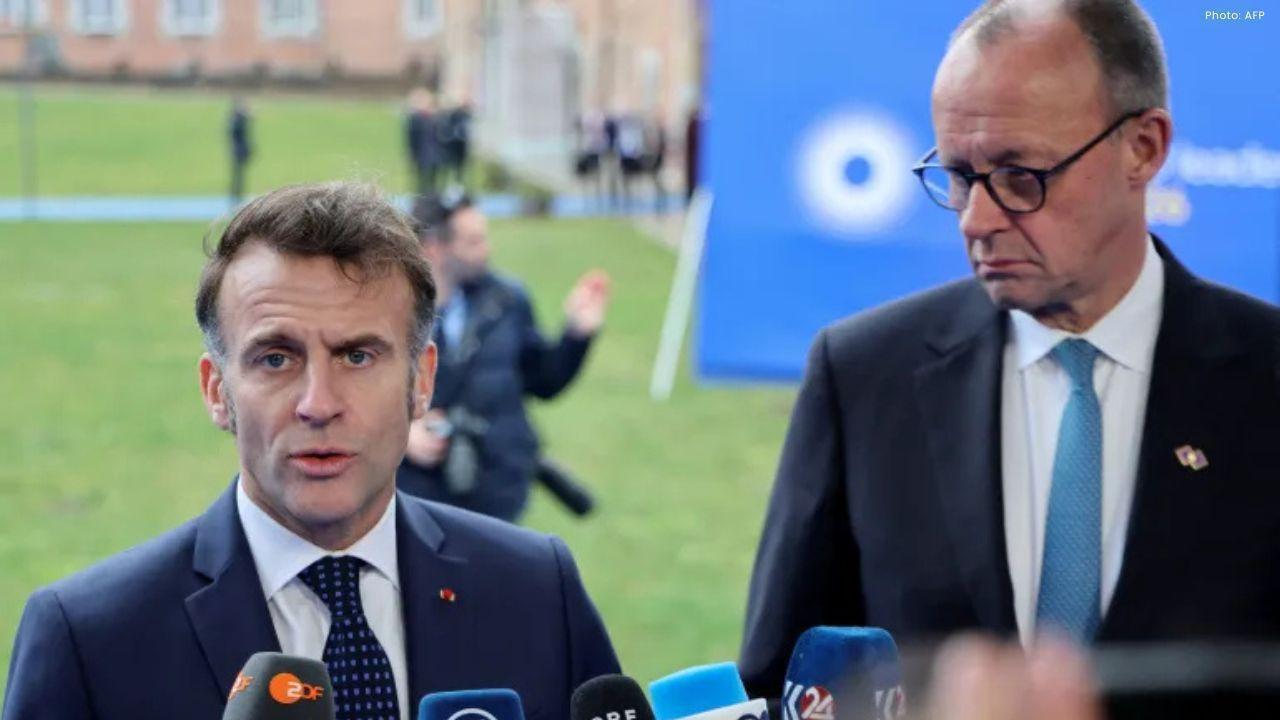
Europe’s top leaders are preparing to address an important international security meeting this week in Munich, Germany, as relationships with the United States remain tense. German Chancellor Friedrich Merz and French President Emmanuel Macron are expected to speak at the Munich Security Conference, which brings together officials from many countries to discuss global security issues, defence cooperation, and world peace.
The annual event has become one of the most important gatherings for international leaders. It is a place where representatives talk about wars, alliances, economic challenges, and efforts to keep the world stable. This year’s meeting comes at a time when differences between the United States and European countries have drawn concern among many observers.
Chancellor Merz will deliver a key speech focused on strengthening Europe’s role in global security. Europe has been working to improve its own defence systems while also remaining committed to shared protection with other nations. Merz’s remarks signal that Europe wants to be seen as a reliable and strong partner, even when there are disagreements with allies.
President Macron of France will also address the gathering. In recent months, he has spoken about the need for closer European unity and independence in security matters. That does not mean cutting ties with the US, but rather working with others in a way that protects Europe’s interests and values. Macron’s words are expected to reflect his long-standing belief that Europe must play a balanced role in world affairs.
The United States is sending a senior delegation to Munich, led by Secretary of State Marco Rubio and other top officials. In past years, relations between Washington and European capitals have become strained over issues such as trade policy, defence spending, and suggestions about strategic territories. Last year, a strong speech by the US Vice President at the same conference surprised many Europeans. That speech criticized some European policies and widened the sense of tension.
Such disagreements have made trust harder to maintain between the United States and some European partners. A recent example involved a political proposal about Greenland, a territory linked to Denmark, which created unease among European governments. Although that plan was later set aside, it influenced how alliance relations were perceived.
Despite these disputes, both Europe and the United States still share many common goals. They work together on issues like the war in Ukraine, climate challenges, economic growth, and countering threats that affect many nations. Still, the tone of cooperation now includes more careful language and stronger national interests than in the past.
The Munich gathering is seen not only as a chance to debate security challenges but also as an opportunity to rebuild trust. Leaders from Europe and the United States know that alliances cannot thrive without clear communication and shared priorities. Quiet diplomacy, respectful listening, and open discussion are expected to be part of the talks, as well as loud speeches from the main speakers.
This year’s event is likely to highlight a deeper question: how can strong partnerships be maintained when national priorities sometimes pull in different directions? Europe has shown it wants to strengthen its own defence and become less dependent on outside protection. At the same time, it still recognizes the value of longstanding cooperation with the United States, especially in areas of joint concern like global conflicts and security threats.
Experts and diplomats watching the conference hope that practical plans and new commitments can emerge. They believe that clear decisions about defence spending, shared peace strategies, and economic partnerships could help calm fears of division. Simply put, solving real problems together could build stronger bonds.
In the weeks ahead, the world will be listening closely to what Merz, Macron, and other leaders say. Their words could shape how alliances work in the future and how Europe and the US find common ground even when they face disagreements.





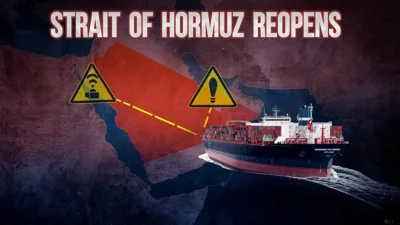
Reopening of the Strait of Hormuz: New Regulations to Impact Global Trade
Iran reopens the strategic Strait of Hormuz with new regulations affecting oil transport and global

Top 10 Must-See Attractions in NYC for First-Time Explorers
Discover essential experiences for first-time visitors to NYC, including attractions, culture, and i

Starbucks Engages Boyu Capital for Major Chinese Expansion
Starbucks teams up with Boyu Capital, selling a majority stake to boost growth and adapt to the Chin

Three Individuals Charged in Massive Meth Trafficking Case in Malaysia
In Malaysia, a married couple and another suspect are charged with trafficking 510kg of meth, facing

Singapore Police Revisit Geylang Murder Scene with Suspect
In Geylang, police return a murder suspect to the scene of a crime involving the fatal stabbing of a