Post by : Saif Nasser
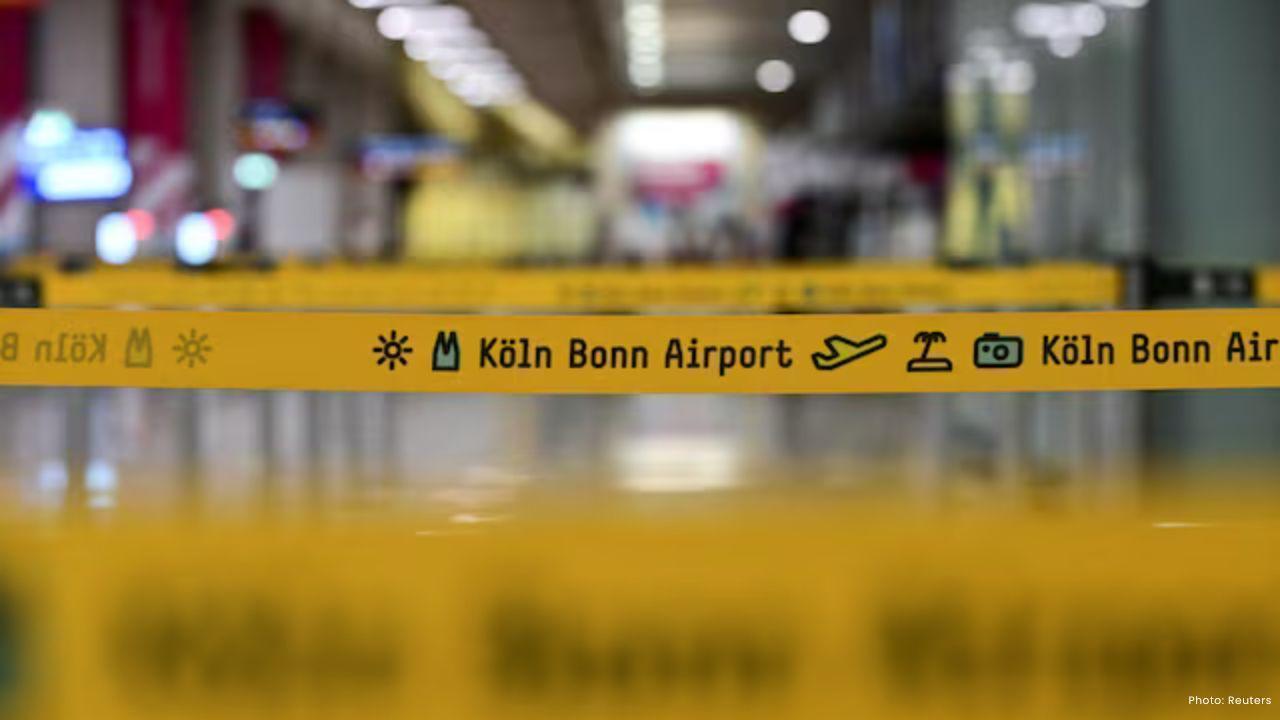
A sudden technical failure forced operations to stop at Cologne/Bonn Airport in Germany, showing how one system error can bring a large travel hub to a standstill. The shutdown happened after the passenger security screening system stopped working, according to reports from regional broadcaster WDR. When the security system failed, authorities could not safely clear passengers, so flights and airport movement had to be suspended.
This kind of disruption may sound like a small technical matter, but in modern aviation, security screening is one of the most important parts of airport operations. Every departing passenger must pass through these checks before entering secure areas. If the system that supports this process goes down, airport managers have very few safe backup options. Safety rules are strict, and airports cannot take risks with incomplete screening.
The incident at Cologne/Bonn Airport is another reminder that air travel today depends heavily on technology. From check-in counters to baggage handling and from security scans to flight control data, almost every step is linked to digital systems. When one core system fails, the effects spread quickly across the airport. Flights are delayed, aircraft remain on the ground, and passengers are left waiting without clear timelines.
Travelers often see airport delays as routine problems caused by weather or airline scheduling. But technical failures are different. Weather delays can sometimes be predicted. A system outage is sudden. It creates confusion because no one knows how long repairs will take. Engineers must first find the fault, then test the fix, and only after that can operations restart safely.
Reports noted that operations were suspended rather than partially limited. That decision is important. It shows that airport authorities chose caution over speed. In security matters, partial fixes are not enough. A weak checkpoint creates risk for everyone inside the system. While passengers may feel frustrated, strong safety standards protect both travelers and airport staff.
German airports have already faced pressure in recent years from labor strikes, including actions by the union Verdi, staffing shortages, and rising passenger numbers. Adding technical breakdowns to this list increases concern about system resilience. A major airport is expected to have backup layers for critical services. Events like this will likely push regulators to review how strong those backups really are.
There is also a wider lesson here about infrastructure planning. Transport hubs are part of national economic lifelines. When an airport stops, business travel, cargo movement, and tourism are all affected. Even a few hours of closure can cost airlines and companies large sums of money. That is why investment in maintenance, system upgrades, and redundancy is not optional — it is necessary.
Airports and governments may now face tougher questions. How modern are the screening systems? How often are they stress-tested? Are there manual fallback methods if digital tools fail? The public rarely hears about these details unless something goes wrong. But reliability is built long before a crisis happens.
Passengers also play a role in how such disruptions unfold. Clear communication from airport authorities can reduce panic and confusion. Quick updates, honest timelines, and organized rebooking support help maintain trust. Silence or mixed messages usually make frustration worse.
The report of the shutdown was first carried by Reuters, which cited regional media sources. While technical teams work to restore full operations, the event stands as a warning sign. Air travel is fast and advanced, but it is also delicate. Behind every smooth boarding process is a chain of systems that must all work together.
In the end, this shutdown is not just about one airport or one glitch. It is about how much modern travel depends on invisible systems. When they work, nobody notices. When they fail, everything stops. Strong backups, regular testing, and honest reporting are the best ways to keep public confidence in air travel safety.









Reopening of the Strait of Hormuz: New Regulations to Impact Global Trade
Iran reopens the strategic Strait of Hormuz with new regulations affecting oil transport and global

Top 10 Must-See Attractions in NYC for First-Time Explorers
Discover essential experiences for first-time visitors to NYC, including attractions, culture, and i

Starbucks Engages Boyu Capital for Major Chinese Expansion
Starbucks teams up with Boyu Capital, selling a majority stake to boost growth and adapt to the Chin

Three Individuals Charged in Massive Meth Trafficking Case in Malaysia
In Malaysia, a married couple and another suspect are charged with trafficking 510kg of meth, facing
Singapore Police Revisit Geylang Murder Scene with Suspect
In Geylang, police return a murder suspect to the scene of a crime involving the fatal stabbing of a