Post by : Saif Nasser
The United States is sending another aircraft carrier to the Middle East at a time when tensions with Iran are high and talks over its nuclear program remain uncertain. The decision shows that Washington wants to increase its military strength in the region while also pushing for a political agreement.
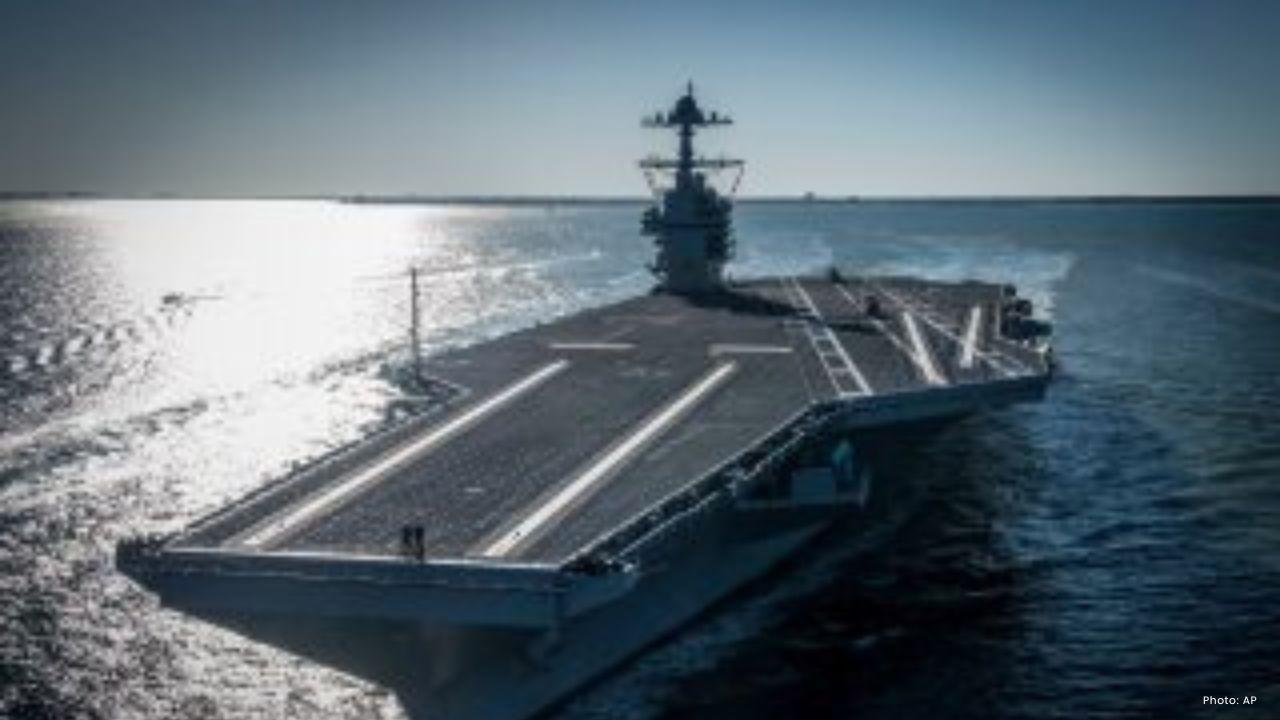
The carrier being deployed is the USS Gerald R. Ford, known as the largest and most modern warship of its kind. It will operate near the USS Abraham Lincoln, which is already stationed in nearby waters. With two carrier groups present, the United States will have more aircraft, more ships, and faster response ability across the area.
Aircraft carriers work like floating air bases. They carry fighter jets, helicopters, radar systems, and thousands of sailors. Escort ships travel with them to guard against missile and submarine threats. When two carriers are placed in one region, it greatly increases air power and strike range. It is often used as a warning signal as much as a military tool.
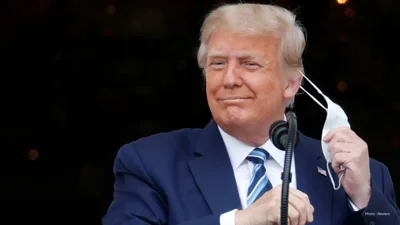
This move comes as President Donald Trump continues to press Iran to accept limits on its nuclear activities. He has said a deal should happen quickly and warned that failure to agree could bring serious consequences. At the same time, his administration has kept indirect communication channels open through regional mediators.
Supporters of the deployment say stronger military presence can prevent war by discouraging risky actions. Their view is that visible strength can push all sides to stay careful and return to negotiations. In this thinking, the carriers are meant to stabilize the situation, not inflame it.
Others see danger in the buildup. More warships and aircraft in a tense zone can increase the chance of accidents or misreading intentions. A small clash at sea or in the air could grow fast if nerves are already tight. The Middle East has many active conflicts and armed groups, so the margin for error is small.
Iran is also facing internal strain. After a recent crackdown on protests, many families are holding mourning events for those who died. These gatherings can turn into public shows of anger. That puts extra pressure on Iran’s leadership while it deals with foreign threats and economic sanctions.
Regional governments are watching closely. Many fear that a direct U.S.–Iran clash would spread beyond two countries and disrupt trade, energy supplies, and civilian life. Gulf states in particular worry that any strike or counter-strike could pull them into a wider conflict.
Israel’s position also matters. President Trump recently spoke with Israeli Prime Minister Benjamin Netanyahu about Iran and regional security. Israel has long argued that Iran’s missile program and support for armed groups must be part of any agreement. That adds more pressure to already complex talks.
There is also the human cost of long deployments. Carrier crews spend months away from home under stressful conditions. Extending missions affects morale and family life. Military moves are often discussed in strategic terms, but they also affect thousands of service members directly.
Real solutions usually require both pressure and diplomacy. Too little pressure can weaken talks. Too much pressure can break them. Sending a second carrier increases leverage, but it also raises the stakes. Whether this step leads to progress or more tension will depend on what happens next at the negotiating table.







Reopening of the Strait of Hormuz: New Regulations to Impact Global Trade
Iran reopens the strategic Strait of Hormuz with new regulations affecting oil transport and global

Top 10 Must-See Attractions in NYC for First-Time Explorers
Discover essential experiences for first-time visitors to NYC, including attractions, culture, and i

Starbucks Engages Boyu Capital for Major Chinese Expansion
Starbucks teams up with Boyu Capital, selling a majority stake to boost growth and adapt to the Chin

Three Individuals Charged in Massive Meth Trafficking Case in Malaysia
In Malaysia, a married couple and another suspect are charged with trafficking 510kg of meth, facing
Singapore Police Revisit Geylang Murder Scene with Suspect
In Geylang, police return a murder suspect to the scene of a crime involving the fatal stabbing of a