Post by : Saif Nasser
Iran has slipped into an uneasy calm after weeks of nationwide protests that were met with a violent crackdown by authorities. There have been no clear signs of new demonstrations in recent days, even as a senior hard-line cleric publicly called for the execution of detained protesters and issued threats against US President Donald Trump.
The protests began on December 28 over Iran’s worsening economy but quickly grew into a wider movement challenging the country’s ruling theocracy. Security forces responded with force, leaving thousands dead according to rights groups, and arresting large numbers of people. The scale of the violence has shocked both Iranians and the international community.
In Tehran, daily life appears to have returned to the surface. Shops are open, traffic has resumed, and people are moving through the streets. However, a nationwide internet blackout has continued for more than a week, limiting communication and making it difficult to confirm what is happening across the country. Authorities have not reported any fresh unrest elsewhere in Iran.
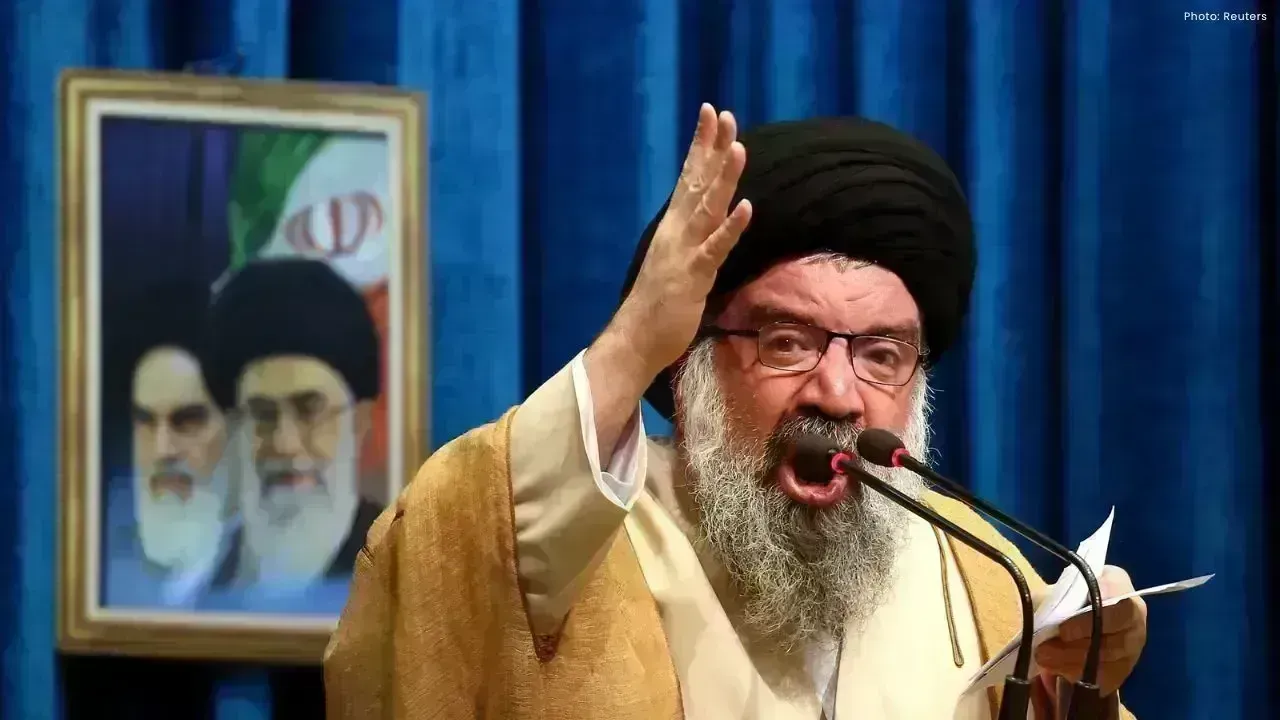
On Friday, Ayatollah Ahmad Khatami, a senior cleric known for his hard-line views, delivered a fiery sermon during prayers in Tehran. He called for the death penalty for protesters who were detained during the unrest. He described demonstrators as enemies of the state and accused them of working for foreign powers.
Khatami directly threatened both the United States and Israel, naming President Trump and Israeli Prime Minister Benjamin Netanyahu. He warned that they should expect “hard revenge” from Iran and said they should not expect peace. His speech drew loud chants from worshippers, reflecting the anger among hard-line supporters of the government.
At the same time, President Trump appeared to soften his tone. Speaking to reporters in Washington, he said he appreciated that Iran had not carried out executions of hundreds of detained protesters. Trump had earlier warned that executions and the killing of peaceful protesters were red lines that could trigger US military action against Iran.
Trump did not explain how he confirmed the status of planned executions or who he spoke with inside Iran. His comments suggested that the immediate threat of US military action may have eased, at least for now.
Human rights groups say the cost of the crackdown has been severe. The US-based Human Rights Activists News Agency reported that at least 3,090 people have been killed since the protests began. If confirmed, this would make it one of the deadliest periods of unrest in Iran in decades, rivaling the violence seen during the 1979 Islamic Revolution. Iran’s government has not released official casualty figures, and the toll cannot be independently verified.
Ayatollah Khatami also listed damage caused during the protests, claiming that hundreds of mosques, prayer halls, hospitals, ambulances, fire vehicles, and emergency units were damaged. He also said dozens of homes belonging to Friday prayer leaders were attacked, highlighting the deep anger toward symbols of the ruling system.
Even as the streets inside Iran remain quiet, tensions continue to play out beyond its borders. Russian President Vladimir Putin spoke with Iranian President Masoud Pezeshkian and Israeli Prime Minister Netanyahu in an effort to reduce tensions. Several Middle Eastern countries have also reportedly warned the United States that military action against Iran could harm the global economy and destabilize an already volatile region.
Iran’s exiled opposition figure, Crown Prince Reza Pahlavi, called on protesters not to give up. Speaking in Washington, he urged Iranians to continue their struggle and said he believed Trump would keep his promise to help. Pahlavi vowed to return to Iran and called for renewed protests, though his influence inside the country remains limited.
Outside Iran, thousands of exiled Iranians and supporters have held demonstrations in European cities, expressing anger at the Iranian government and solidarity with protesters back home.
With internet access still blocked, some Iranians have crossed into neighboring countries to communicate with the outside world. Travelers at the Turkish border described hearing heavy gunfire during the unrest and spoke of fear and uncertainty.
For now, Iran remains tense but quiet. The absence of protests does not mean the anger has disappeared. Instead, it suggests that fear, force, and isolation have temporarily silenced public dissent, even as deep political and economic problems continue to simmer beneath the surface.



The Impact of Consistent Small Investments on Wealth Building
Discover how investing small amounts regularly can positively transform your financial future over t

7.5 Magnitude Earthquake Strikes Japan, Tsunami Alerts Issued
Japan experiences a hefty 7.5 quake, prompting tsunami alerts and safety measures. Stay updated on a
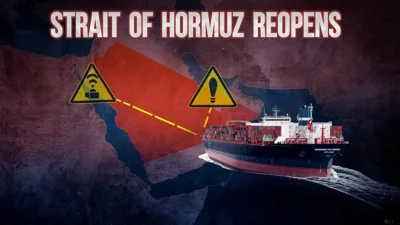
Reopening of the Strait of Hormuz: New Regulations to Impact Global Trade
Iran reopens the strategic Strait of Hormuz with new regulations affecting oil transport and global

Top 10 Must-See Attractions in NYC for First-Time Explorers
Discover essential experiences for first-time visitors to NYC, including attractions, culture, and i

Starbucks Engages Boyu Capital for Major Chinese Expansion
Starbucks teams up with Boyu Capital, selling a majority stake to boost growth and adapt to the Chin

Three Individuals Charged in Massive Meth Trafficking Case in Malaysia
In Malaysia, a married couple and another suspect are charged with trafficking 510kg of meth, facing