Post by : Saif Nasser
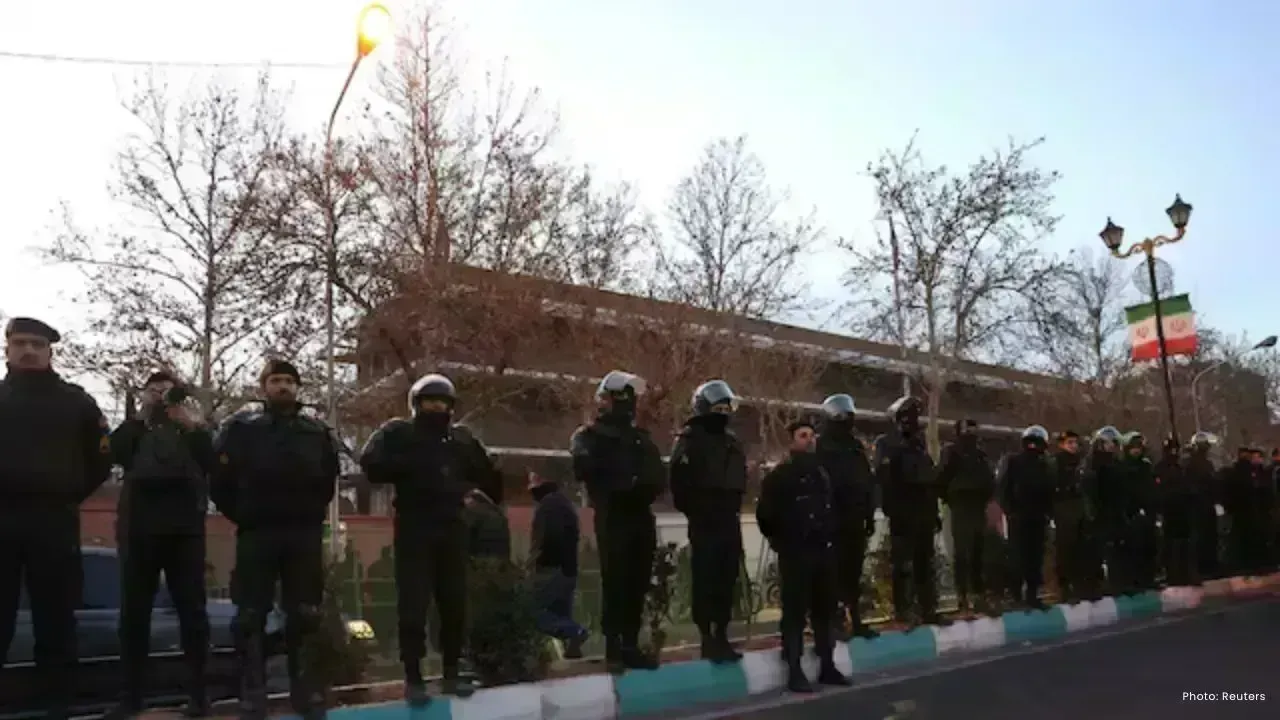
More than 3,000 people have lost their lives during nationwide protests in Iran, according to human rights activists. The unrest, which began in late December, has become one of the deadliest periods of internal violence in the country since the 1979 Islamic Revolution.
A U.S.-based rights group reported that at least 3,090 people have died so far. Among them were nearly 2,900 protesters. The group said the numbers were verified through reports from families, local sources, and online evidence. The deaths came as security forces moved forcefully to end demonstrations across the country.
The protests first started on December 28, triggered by rising prices, unemployment, and deep economic hardship. Over time, the anger spread and turned into wider calls for political change and an end to clerical rule. Large demonstrations were seen in Tehran and many other cities, leading to clashes between protesters and security forces.
In recent days, the situation on the streets appears calmer. Residents in Tehran said the capital has been quiet for several days, with no major protests visible. Drones were seen flying overhead, showing that security remains tight. People in other cities also reported fewer crowds, suggesting the crackdown has slowed the protests for now.
One of the most powerful tools used by authorities has been an internet shutdown. Iran experienced nearly eight days of near-total blackout, making it difficult for people to communicate or share information. Internet monitoring groups reported a very small rise in connectivity, but access remains at just a fraction of normal levels. Some Iranians living abroad said they briefly managed to contact family members inside the country.
International attention has grown as reports of violence increased. U.S. President Donald Trump said Iran’s leaders had stopped planned executions of protesters, though Iran has not officially confirmed that such executions were planned or cancelled. Rights groups continue to warn that many detainees face serious risks.
Foreign nationals in Iran have also been affected. Indian students and pilgrims returning home said they were mostly confined indoors and unable to contact their families during the blackout. One medical student described seeing fear and anger on the streets, including violent confrontations.
India’s government said commercial flights were still operating and that steps were being taken to ensure the safety of Indian citizens in Iran. Other countries are also closely monitoring the situation as concerns grow over human rights and regional stability.
While the streets may appear calmer, activists warn that fear, arrests, and deep public anger remain. The true impact of the protests may only become clear in the coming weeks. For many Iranians, the heavy loss of life has left deep wounds that will not heal quickly.



The Impact of Consistent Small Investments on Wealth Building
Discover how investing small amounts regularly can positively transform your financial future over t

7.5 Magnitude Earthquake Strikes Japan, Tsunami Alerts Issued
Japan experiences a hefty 7.5 quake, prompting tsunami alerts and safety measures. Stay updated on a
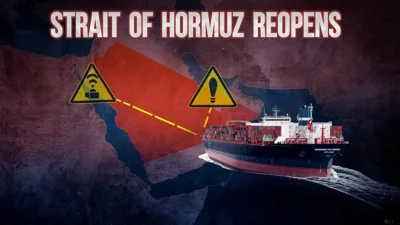
Reopening of the Strait of Hormuz: New Regulations to Impact Global Trade
Iran reopens the strategic Strait of Hormuz with new regulations affecting oil transport and global

Top 10 Must-See Attractions in NYC for First-Time Explorers
Discover essential experiences for first-time visitors to NYC, including attractions, culture, and i

Starbucks Engages Boyu Capital for Major Chinese Expansion
Starbucks teams up with Boyu Capital, selling a majority stake to boost growth and adapt to the Chin

Three Individuals Charged in Massive Meth Trafficking Case in Malaysia
In Malaysia, a married couple and another suspect are charged with trafficking 510kg of meth, facing