Post by : Mina Rahman
The Greater Toronto Area and the extended Greater Golden Horseshoe have experienced a notable drop in housing construction during 2025, sparking worries regarding the future of Ontario's housing supply and the construction workforce. An in-depth analysis from the University of Ottawa's Missing Middle Initiative reveals that housing starts across 34 municipalities have plummeted by over one-third in the initial nine months of this year compared to the average from 2021 to 2024.
The condominium market has suffered the most, showing a staggering 51% decrease in apartment starts. Ground-oriented housing options, such as detached homes, semi-detached houses, and townhouses, have also seen a decline of 43%. The only segment registering growth is purpose-built rental units, which increased by 42%, demonstrating the escalating need for long-term rental housing.
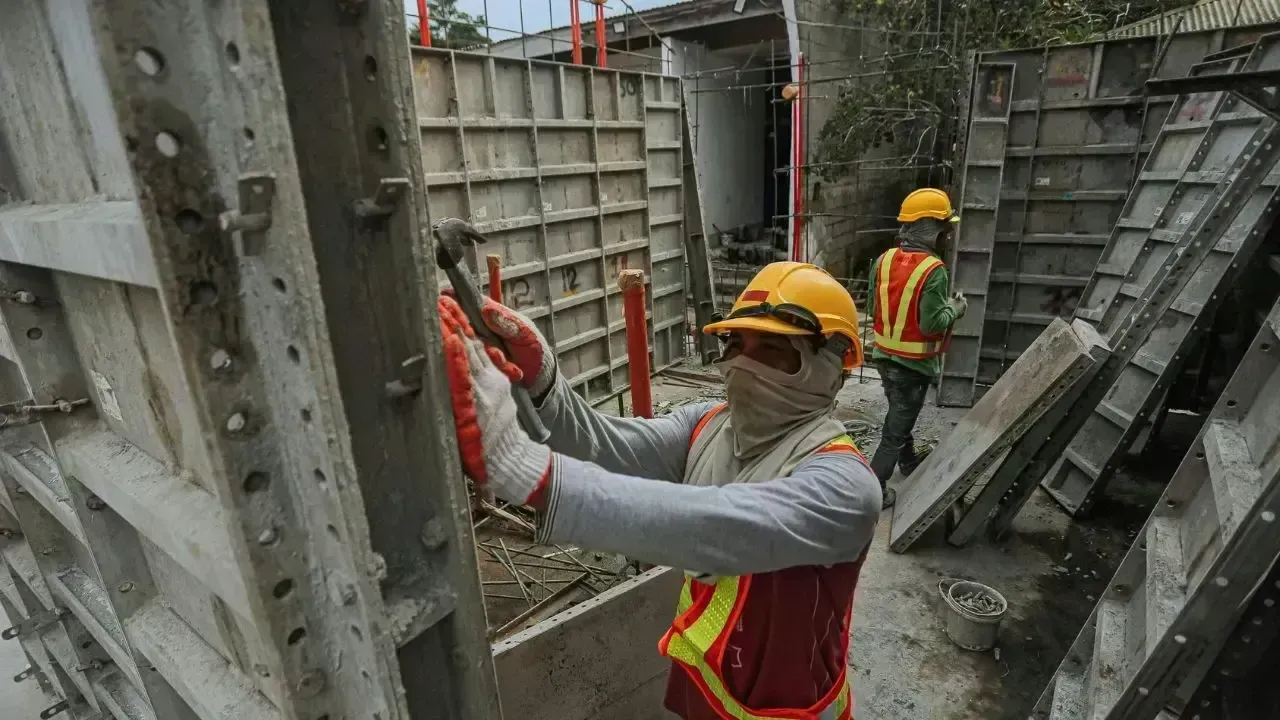
Industry leaders express concern that the current downturn has fostered challenging conditions for both builders and workers. Richard Lyall, president of the Residential Construction Council of Ontario, emphasized that diminishing demand and stalled construction projects are severely impacting employment levels. Many developments have been paused or scrapped, leading to broader economic repercussions.
Despite fewer new construction projects, the issue of affordability remains critical for potential buyers. The average home price in the area exceeded $1.05 million in October, making it increasingly difficult for many prospective homeowners to enter the market, particularly as rising interest rates and economic uncertainty dampen sales.
The report evaluated various municipalities based on five housing-related metrics, revealing that half rated poorly, while only a small number achieved grades of C or better. The findings indicate pervasive difficulties, including delayed project approvals, softening demand, and financial strains on developers.
The downturn in construction is also translating to job losses. The study estimates that decreased building activities led to over 35,000 fewer person-years of employment from January to September, compared to the same timeframe in previous years. This figure accounts for labor needs related to different housing unit types, with detached homes needing significantly more work hours than apartments.
Economists caution that this sector's downturn occurs at a crucial moment when Canada is pressed to speed up homebuilding. Federal targets indicate that Canada must nearly double its yearly construction rate to enhance housing affordability, necessitating over 430,000 new homes annually for the next decade.
National statistics reflect a broader trend of deceleration as well. The annual rate of housing starts in October fell by 17% compared to the previous month, primarily due to declines in Ontario and British Columbia. Though year-to-date figures are slightly above last year's, economists warn of increasing challenges for the construction industry amidst rising costs and shifting market demands.










Achieve Radiant Skin with This Simple Rice Flour Treatment
Transform your skincare routine! Discover how a rice flour mix can restore your skin's glow without

Meta Unveils Subscription Plans for Instagram, Facebook, and WhatsApp
Meta introduces new subscription plans for users of Instagram, Facebook, and WhatsApp, featuring enh

Suvarna Joy on Education Leadership, Resilience, and Building Purpose Through Adversity in the UAE
Suvarna Joy shares her journey of education leadership, motherhood, faith, and resilience within the

Anticipated Dates for UAE Eid Al Adha 2026 Unveiled by Astronomical Experts
Experts predict Eid Al Adha 2026 in the UAE to start on May 27, prompting early holiday planning amo

DAE Achieves Remarkable Growth in Q1 2026 With Record Revenue
Dubai Aerospace Enterprise announces impressive financial results for Q1 2026, reflecting a surge in

Price Increase for Sony PS5 in Southeast Asia Effective May 1
Sony announces a price increase for the PS5 across Southeast Asia starting May 1, 2026, impacting ga




