Post by : Saif Nasser
A fresh diplomatic dispute has emerged between the United States and Europe after Washington imposed visa bans on several European citizens involved in fighting online hate and disinformation. The move has drawn strong criticism from the European Union, France, and Germany, who say the bans amount to censorship and political pressure.
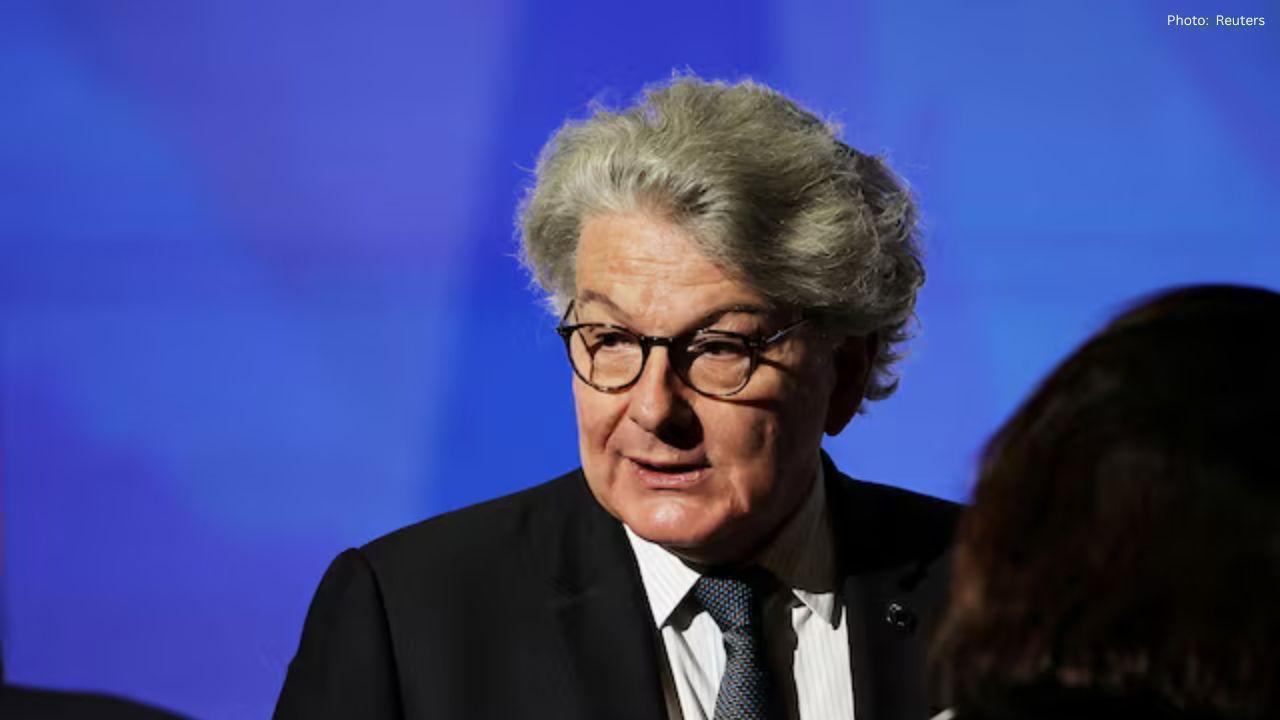
The US administration accused five European figures of working to limit free speech and unfairly target American technology companies through strict digital rules. Among those affected is Thierry Breton, a former European Union commissioner and one of the main architects of the EU’s Digital Services Act (DSA). The bans also include campaigners from Germany and Britain who work to counter online hate and false information.
European leaders reacted quickly. The European Commission said it strongly condemned the decision and warned that the EU could respond “swiftly and decisively” if needed. Officials stressed that freedom of expression is a core value shared by both Europe and the United States, and that regulating online platforms does not equal censorship.
At the heart of the dispute is the Digital Services Act, a major EU law designed to make the internet safer. The DSA requires large online platforms to act against illegal content such as hate speech, child abuse material, and dangerous misinformation. US officials argue that these rules place unfair limits on speech and target American tech companies.
Tensions have been growing for months. Earlier this month, the EU fined Elon Musk’s social media platform X 120 million euros for breaking content rules. Musk has openly criticised EU regulators, and US officials have voiced concern that Europe’s digital laws restrict free expression.
French President Emmanuel Macron described the visa bans as “intimidation and coercion” aimed at weakening Europe’s control over its digital space. He said the DSA was passed through a democratic process and applies equally to all companies, regardless of nationality. Macron also stressed that what is illegal offline should also be illegal online.
Germany echoed this view. The country’s justice ministry said the visa bans on German activists were unacceptable and showed a misunderstanding of Europe’s legal system. It added that Europe has the right to decide its own digital rules without outside pressure.
Those targeted by the bans also spoke out. Thierry Breton questioned whether the US was returning to political “witch hunts” and reminded Americans that the DSA was approved by all EU member states and a large majority of elected lawmakers. Advocacy groups called the bans an attack on free speech and warned that governments should not use visas as tools to silence critics.
The disagreement highlights a widening gap between Washington and European capitals on issues such as free speech, technology regulation, and digital power. As both sides claim to defend freedom, the dispute raises a deeper question: who gets to set the rules for the global online world?







Mattel Revives Masters of the Universe Action Figures Ahead of Film Launch
Mattel is reintroducing Masters of the Universe figures in line with its upcoming film, tapping into

China Executes 11 Members of Criminal Clan Linked to Myanmar Scam
China has executed 11 criminals associated with the Ming family, known for major scams and human tra

US Issues Alarm to Iran as Military Forces Deploy in Gulf Region
With a significant military presence in the Gulf, Trump urges Iran to negotiate a nuclear deal or fa

Copper Prices Reach Unprecedented Highs Amid Geopolitical Turmoil
Copper prices soar to all-time highs as geopolitical tensions and a weakening dollar boost investor

New Zealand Secures First Win Against India, Triumph by 50 Runs
New Zealand won the 4th T20I against India by 50 runs in Vizag. Despite Dube's impressive 65, India