Post by : Saif Nasser
A stroke can strike unexpectedly, presenting a serious health crisis that demands rapid response. Recognizing the early indicators is crucial; it can be the difference between life and disability. AIIMS-trained neurologist Dr. Rahul Chawla has made a compelling case for why even mild symptoms of a stroke should not be dismissed.
In an informative Instagram video, Dr. Chawla, who practices at IBS Hospital in New Delhi and founded HealthPil.com, unveils how strokes may begin with transient symptoms called Transient Ischemic Attacks (TIAs), commonly referred to as “mini-strokes.” These warning signs may vanish within hours but signal an impending stroke.
Dr. Chawla identifies key symptoms associated with TIAs, such as tingling or weakness in the limbs, slurred speech, facial drooping, and unsteady walking. While these symptoms might resolve, it's essential to acknowledge that a stroke can occur swiftly without prior indicators like headaches.
He recounted a cautionary tale about a 60-year-old patient with a history of hypertension, diabetes, and unhealthy habits. This individual experienced numbness and weakness in his arm and leg, marking the potential onset of a stroke.
Though he sought medical assistance, the man felt no symptoms upon arrival at the hospital, leading him to leave without consultation. The following morning, he faced a recurrence of symptoms that again subsided before he could reach medical help. Dr. Chawla stressed that such recurring symptoms point to TIAs, with the threat of a full-blown stroke looming.
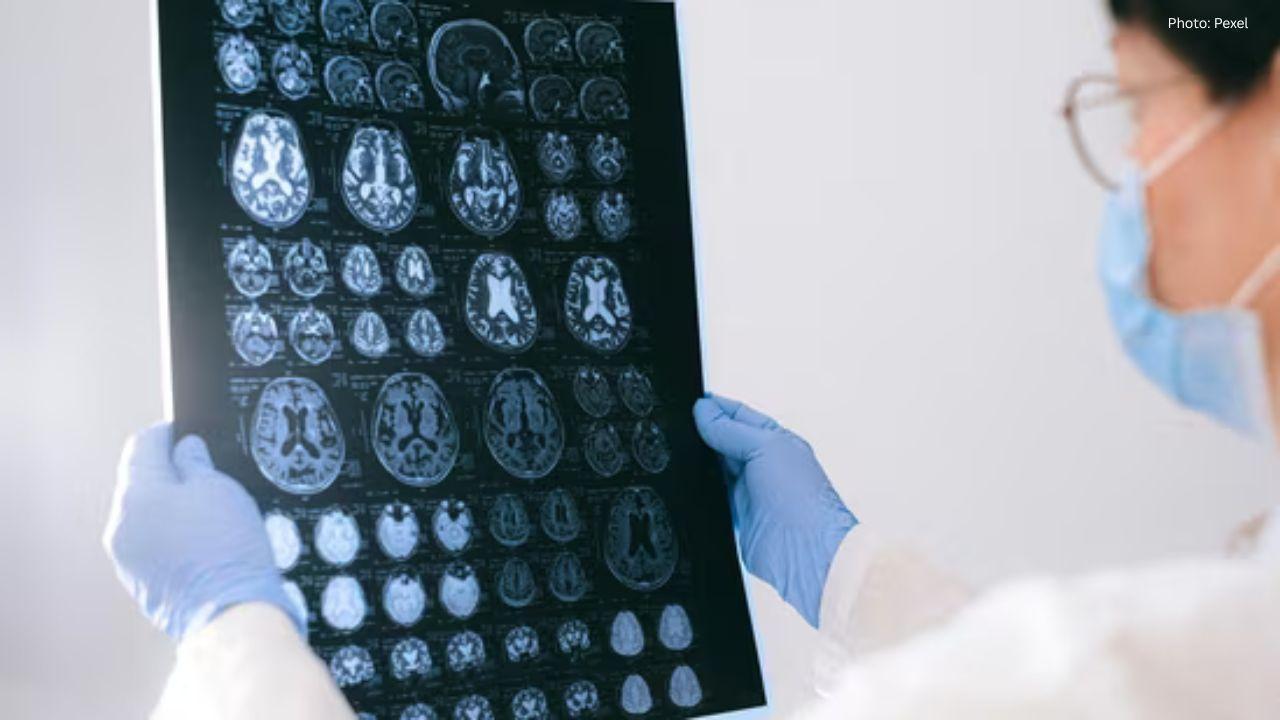
Ultimately, his condition worsened, resulting in a significant stroke that paralyzed his hand and leg. Emergency services were needed to transport him to the hospital in a wheelchair. MRI results confirmed he suffered a large “Right MCA Territory infarct” – a severe stroke affecting the right side of his brain.
“This scenario underscores the crucial need to act swiftly,” Dr. Chawla stated. Once a stroke occurs, there’s typically a three-hour window for medical intervention to dissolve the obstructing clot in the brain. Delays can culminate in irreversible damage, potentially leading to paralysis or even fatalities.
Dr. Chawla cautioned against mistaking stroke symptoms for mere fatigue or stress. Numbness, bodily weakness, slurred speech, facial drooping, dizziness, or balance issues warrant immediate medical consultation, regardless of whether they dissipate quickly.
He furthermore advised on preventive measures to lower stroke risk, including maintaining healthy blood pressure, managing diabetes, refraining from smoking, moderating alcohol consumption, and engaging in regular exercise. Adopting a healthy lifestyle along with routine check-ups is vital in reducing stroke likelihood.
A stroke transpires when blood flow to the brain is either obstructed or diminished, depriving brain tissue of essential oxygen and nutrients. Cerebral cells begin to perish within minutes, reinforcing the importance of swift action to minimize damage and optimize recovery prospects.
In closing, Dr. Chawla’s message resonates: do not overlook fleeting symptoms of numbness or speech issues. Quick intervention is key and could significantly alter outcomes between full recovery and long-term impairment.










Price Increase for Sony PS5 in Southeast Asia Effective May 1
Sony announces a price increase for the PS5 across Southeast Asia starting May 1, 2026, impacting ga

Potential ‘Super El Niño’ in 2026: Understanding the Climate Risks
Could a Super El Niño emerge in 2026? Discover its implications and potential global climate impacts

Global Energy Crisis Intensifies: Markets React to Oil Supply Challenges
Markets are on edge as oil disruptions escalate, influencing prices and economic stability. Explore

Must-See Tourist Spots in London You Can't Overlook
Explore London's essential attractions, from royal landmarks to vibrant markets, ensuring an unforge

Ultimate Guide to Snagging Cheap Flights in 2026
Unlock the secrets to booking affordable flights in 2026 with insightful tips and strategies tailore

The Impact of Consistent Small Investments on Wealth Building
Discover how investing small amounts regularly can positively transform your financial future over t