Post by : Saif Nasser
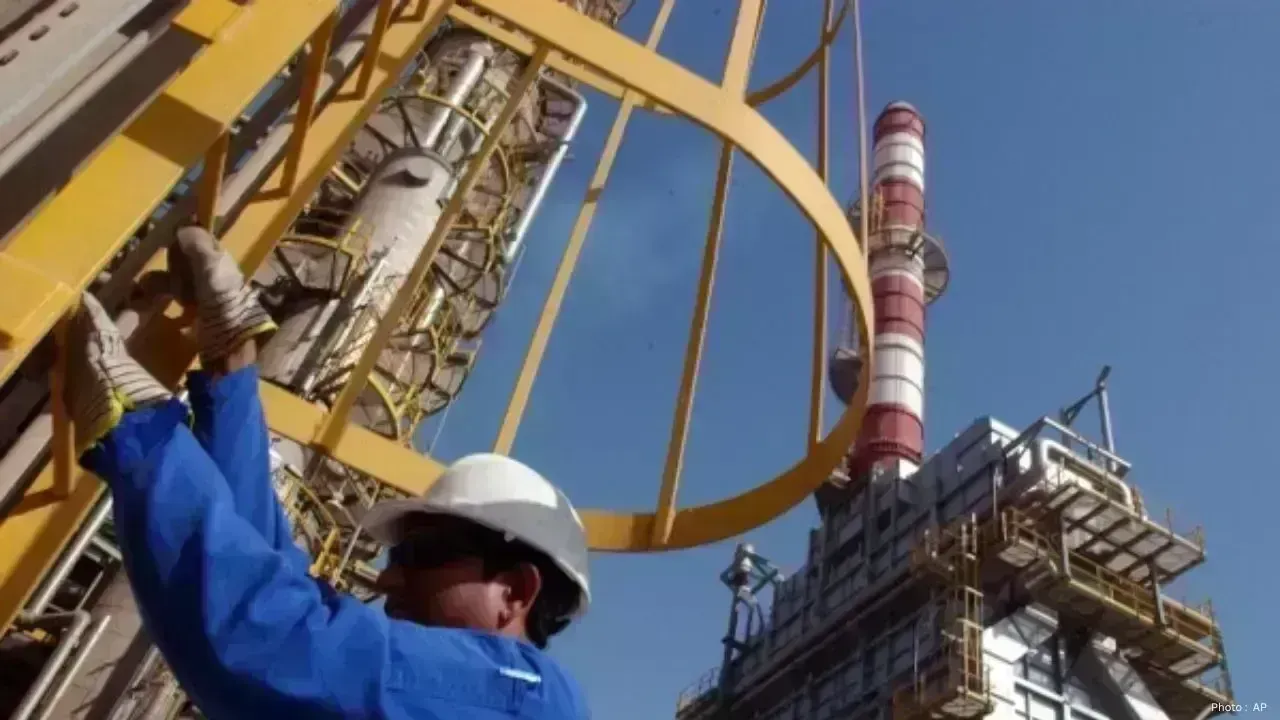
The decision by the United Arab Emirates to leave the Organization of the Petroleum Exporting Countries (OPEC) marks an important moment in global energy politics. This move has drawn attention from across the world because OPEC has long played a major role in controlling oil supply and influencing global prices.
The UAE is one of the world’s leading oil producers and has been a key member of OPEC for many years. Its decision to step away from the group is likely to affect how the organization functions in the future. OPEC works best when its members act together, setting production limits to balance supply and demand. When a major member leaves, it can reduce the group’s overall influence.
One of the main reasons behind this move appears to be the UAE’s desire for greater freedom in managing its oil production. OPEC often sets limits on how much oil each country can produce. These limits are meant to keep prices stable, but they can also restrict countries that want to expand their output. The UAE has invested heavily in increasing its production capacity and may now want to use that capacity more freely.
This step also reflects a broader change in how countries approach global alliances. Instead of always following group decisions, nations are focusing more on their own economic interests and long-term plans. The UAE’s decision shows a shift toward independence in energy policy.
The impact of this move may not be immediate, but it could shape the future of the oil market. Without strict coordination among major producers, the market could become less predictable. Oil prices may see more ups and downs depending on how individual countries decide to produce and export oil.
There are also concerns about what this means for OPEC’s future. If other countries begin to follow the same path, the group could lose its ability to influence global oil markets. In the past, OPEC has played a key role in stabilizing prices, especially during times of crisis. A weaker OPEC could change how the global energy system works.
For oil-importing countries, this development is important. Changes in oil supply and pricing can affect fuel costs, transport, and overall economic stability. A more open market might bring lower prices at times, but it could also lead to sudden increases.
The decision also comes at a time when the world is slowly moving toward new energy sources. While oil remains a major part of the global economy, countries are investing in renewable energy and planning for a future with less dependence on fossil fuels. This transition adds another layer of complexity to the situation.
The UAE’s move highlights how global energy politics is changing. It shows that traditional alliances are being tested and that countries are looking for more control over their resources. How this decision affects the global market will become clearer in the coming years as other producers respond and adjust their strategies.








Price Increase for Sony PS5 in Southeast Asia Effective May 1
Sony announces a price increase for the PS5 across Southeast Asia starting May 1, 2026, impacting ga

Potential ‘Super El Niño’ in 2026: Understanding the Climate Risks
Could a Super El Niño emerge in 2026? Discover its implications and potential global climate impacts

Global Energy Crisis Intensifies: Markets React to Oil Supply Challenges
Markets are on edge as oil disruptions escalate, influencing prices and economic stability. Explore

Must-See Tourist Spots in London You Can't Overlook
Explore London's essential attractions, from royal landmarks to vibrant markets, ensuring an unforge

Ultimate Guide to Snagging Cheap Flights in 2026
Unlock the secrets to booking affordable flights in 2026 with insightful tips and strategies tailore

The Impact of Consistent Small Investments on Wealth Building
Discover how investing small amounts regularly can positively transform your financial future over t




