Post by : Sami Jeet
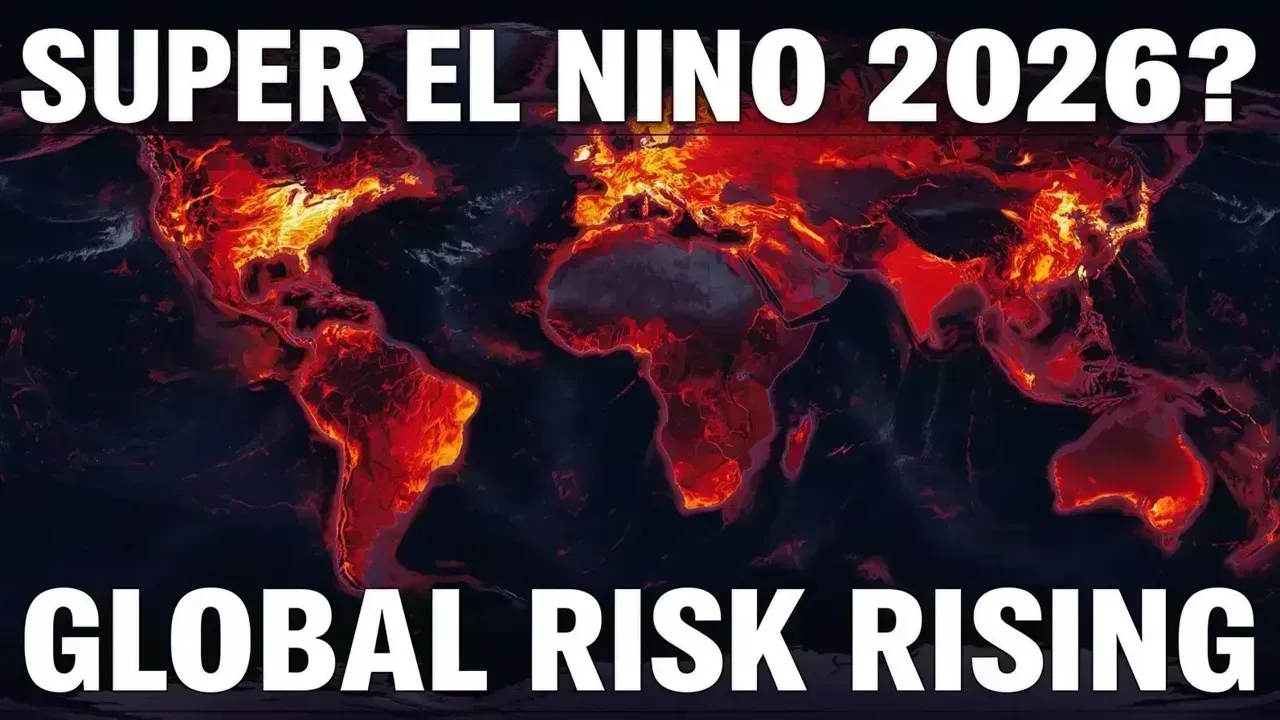
The speculation surrounding a “Super El Niño in 2026” has escalated within climate discourse. Researchers are meticulously observing oceanic conditions, as many ponder whether this might signify one of the most significant climatic phenomena in recent memory.
The succinct answer is: an El Niño event is anticipated in 2026, yet the possibility of it evolving into a “super” variant remains indeterminate. Even so, a robust El Niño can exert considerable repercussions worldwide, particularly amid the existing climate warming.
El Niño represents a natural climatic occurrence marked by an abnormal heating of surface waters in the central and eastern Pacific Ocean.
This seemingly minor warming can yield disruptive effects on wind patterns and ocean currents globally. Consequently, weather systems alter, influencing rainfall, temperature, and storm patterns across various regions.
A “Super El Niño” is essentially a notably intense iteration of this phenomenon, characterized by significant rises in ocean temperatures, which result in enhanced global consequences.
Scientists are noting unusual warming trends in the Pacific, which frequently serve as early indicators of El Niño formation. Climate models suggest that 2026 may be favorable for a vigorous event.
The situation is exacerbated by the backdrop of global warming. When natural climatic cycles like El Niño coincide with increasing temperatures, their impacts can intensify and become less predictable.
This is why experts are keenly observing the potential for severe climate fluctuations in 2026, even if confirmation of a “super” status is still pending.
Typically, El Niño events contribute to rising global temperatures. A strong event in 2026 could potentially lead to unprecedented heatwaves across various regions.
Increased temperatures bring health risks, heightened energy demands, and pressure on water resources.
In areas such as India, El Niño is often associated with diminished monsoon rains.
Consequences may include:
For those reliant on seasonal rainfall, even minimal disturbances can lead to significant outcomes.
Regions including Australia and Southeast Asia might encounter extended dry spells during El Niño occurrences.
This facet can disrupt agriculture, amplify wildfire hazards, and pose long-term ecological challenges.
While some locales encounter drought, others may face excessive rain. El Niño often brings about heavy precipitation and flooding in regions of the Americas and East Asia.
This uneven weather distribution is why El Niño is recognized as a powerful force in global climate dynamics.
Alterations in weather can directly influence agricultural production, with a strong El Niño disrupting crop cycles, diminishing yields, and increasing food prices.
This, in turn, leads to broader economic ramifications, particularly in countries heavily dependent on agriculture.
In previous decades, El Niño events had considerable effects. However, the contemporary scenario is altered due to a warmer planet.
Warmer oceanic conditions supply more energy to climatic systems, resulting in:
This scenario raises the likelihood of extreme weather occurrences associated with El Niño.
Research specialists are monitoring sea temperatures, wind trends, and subsurface ocean heat accumulation closely.
These elements are crucial in assessing:
As data evolves, more precise forecasts are expected to surface throughout the year.
While panic isn't necessary, awareness remains imperative. El Niño is a natural cycle; however, its repercussions can affect daily life via weather modifications.
Governments and sectors typically prepare by anticipating changes and strategizing for possible disruptions.
For individuals, being informed about weather updates and seasonal shifts is crucial for readiness.
So, is a Super El Niño projected for 2026?
The fundamental message is not about fear, but rather comprehension. With intensifying climate patterns, understanding equips us to navigate what lies ahead.
This article serves informational purposes based on current climate understanding and general scientific insights. Climate projections may evolve as newer data emerges and should not be regarded as definitive predictions or official advisories.










Potential ‘Super El Niño’ in 2026: Understanding the Climate Risks
Could a Super El Niño emerge in 2026? Discover its implications and potential global climate impacts

Global Energy Crisis Intensifies: Markets React to Oil Supply Challenges
Markets are on edge as oil disruptions escalate, influencing prices and economic stability. Explore

Must-See Tourist Spots in London You Can't Overlook
Explore London's essential attractions, from royal landmarks to vibrant markets, ensuring an unforge

Ultimate Guide to Snagging Cheap Flights in 2026
Unlock the secrets to booking affordable flights in 2026 with insightful tips and strategies tailore

The Impact of Consistent Small Investments on Wealth Building
Discover how investing small amounts regularly can positively transform your financial future over t

7.5 Magnitude Earthquake Strikes Japan, Tsunami Alerts Issued
Japan experiences a hefty 7.5 quake, prompting tsunami alerts and safety measures. Stay updated on a