Post by : Saif Nasser
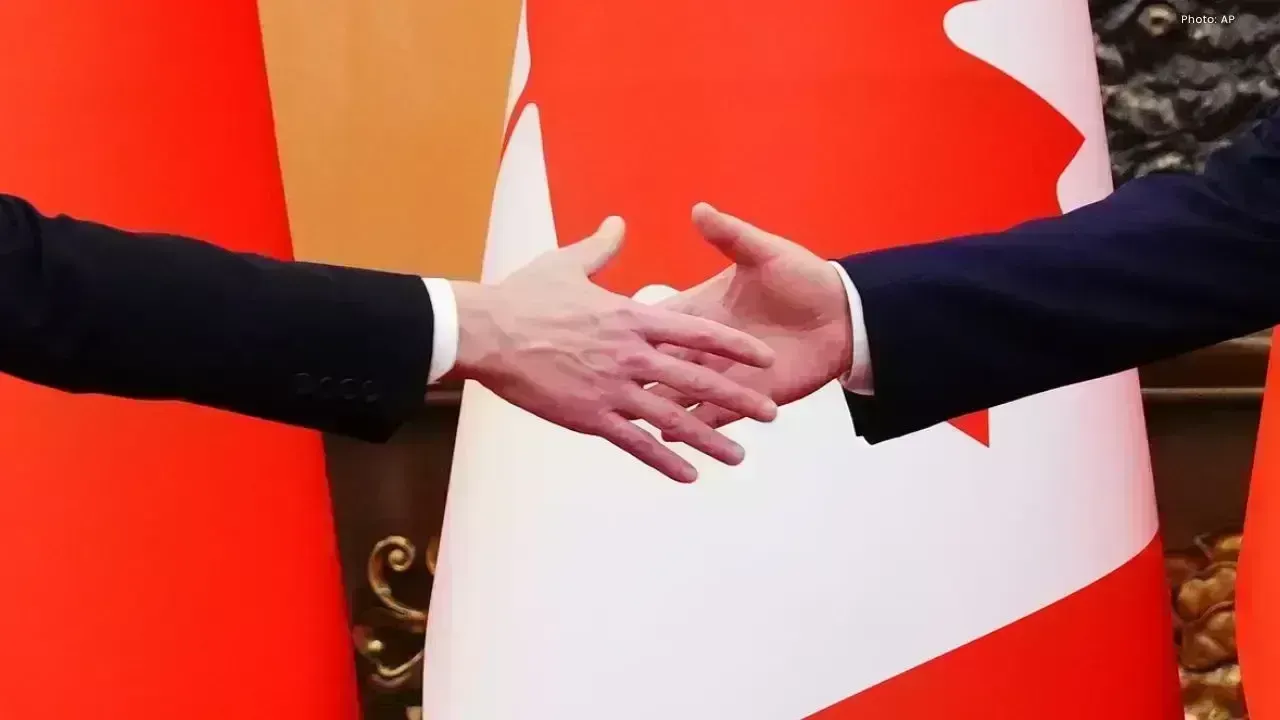
Canada’s recent diplomatic move toward China shows how global politics are changing fast. Prime Minister Mark Carney’s visit to Beijing was not just about shaking hands or signing trade papers. It was about finding balance in a world where old friendships are under pressure and new choices must be made carefully.
Carney met Chinese President Xi Jinping during a four-day visit that aimed to rebuild ties between the two countries. These relations had been strained for nearly ten years due to political disagreements, trade disputes, and concerns over human rights. This time, both leaders spoke calmly and positively, suggesting a fresh start.
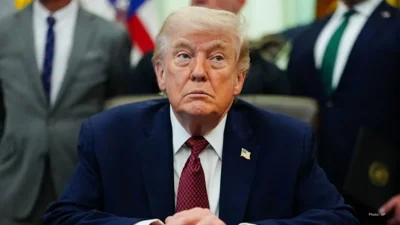
Yet, even though only two leaders sat in the meeting room, a third figure played a major role in shaping the talks. That figure was U.S. President Donald Trump. His policies, strong words, and unpredictable style have pushed many countries, including Canada, to rethink how much they depend on the United States.
For decades, Canada and the U.S. have been close partners in trade, defense, and diplomacy. But recent months have brought tension. Trump has imposed tariffs that hurt Canadian businesses and even made controversial remarks about Canada’s sovereignty. These actions have caused concern among Canadians and their leaders.
Against this background, Canada’s outreach to China reflects a desire for what many now call “strategic autonomy.” In simple terms, this means not relying on just one powerful partner. Instead, Canada wants multiple strong relationships to protect its economy and security.
China is Canada’s second-largest trading partner after the United States. Carney openly said his government wants to reduce overdependence on the U.S., especially at a time when global trade is unstable. He also admitted that Canada and China have deep differences in culture, politics, and values, especially on human rights. Still, he stressed that trade and dialogue can continue even when disagreements remain.
The visit produced real results. Canada agreed to reduce its very high tariff on Chinese electric vehicles. In return, China will lower tariffs on Canadian farm products, especially canola seeds, which are vital for Canadian farmers. These steps could help both economies at a time when inflation, supply problems, and trade barriers are hurting growth worldwide.
Under the agreement, Canada plans to allow a limited number of Chinese electric vehicles into the country at a lower tariff rate. Over several years, this number will slowly increase. China, meanwhile, will sharply cut tariffs on Canadian canola, giving farmers better access to a huge market.
Beyond numbers and trade figures, the bigger message was political. Canada is signaling that it has options. If one door narrows, another can open. This does not mean Canada is turning its back on the United States, but it does mean Ottawa wants more room to make its own choices.
Experts say China also benefits from this renewed relationship. Beijing has long tried to position itself as a global counterweight to U.S. influence. Strengthening ties with a G7 country like Canada supports that goal. China also has strong cultural and community links with Canada, where millions of people have Chinese roots. These connections make the relationship more complex and more important.
China’s state media described the visit as timely, pointing to global uncertainty, rising protectionism, and growing tensions between major powers. These are challenges both countries face, especially when dealing with U.S. trade policy.
Interestingly, both leaders used careful language. Xi Jinping spoke in broad terms about improvement and stability. Carney avoided direct criticism of Washington but noted that Canada’s recent dealings with China felt more predictable. In today’s world, predictability is valuable. Businesses, investors, and governments all prefer steady rules over sudden shocks.
Some analysts believe China wants a strong and stable Canada, while Trump prefers a weaker neighbor that can be pressured more easily. Whether or not this view is fully accurate, it highlights the different approaches shaping global politics today.
Trump himself reacted calmly to Canada’s deal with China, saying it made sense for Canada to protect its interests. Still, many wonder how long this calm will last. Trump has often changed his tone quickly, leaving allies unsure of what comes next.
For now, Carney’s visit has given Canada some breathing room. It has shown Canadian voters and businesses that their country is not stuck with only one path. It has also reminded the world that middle powers like Canada can still play smart diplomacy in a divided global system.
The long-term impact of this renewed Canada–China relationship remains uncertain. Political tensions, human rights concerns, and security issues have not disappeared. But diplomacy is often about managing differences, not pretending they do not exist.
In a world shaped by fast changes and strong personalities, Canada’s move toward balance and stability may prove wise. Whether this approach succeeds will depend not only on Beijing and Ottawa, but also on what Washington decides to do next.






The Impact of Consistent Small Investments on Wealth Building
Discover how investing small amounts regularly can positively transform your financial future over t

7.5 Magnitude Earthquake Strikes Japan, Tsunami Alerts Issued
Japan experiences a hefty 7.5 quake, prompting tsunami alerts and safety measures. Stay updated on a

Reopening of the Strait of Hormuz: New Regulations to Impact Global Trade
Iran reopens the strategic Strait of Hormuz with new regulations affecting oil transport and global

Top 10 Must-See Attractions in NYC for First-Time Explorers
Discover essential experiences for first-time visitors to NYC, including attractions, culture, and i

Starbucks Engages Boyu Capital for Major Chinese Expansion
Starbucks teams up with Boyu Capital, selling a majority stake to boost growth and adapt to the Chin

Three Individuals Charged in Massive Meth Trafficking Case in Malaysia
In Malaysia, a married couple and another suspect are charged with trafficking 510kg of meth, facing