Post by : Monika
Photo: Reuters
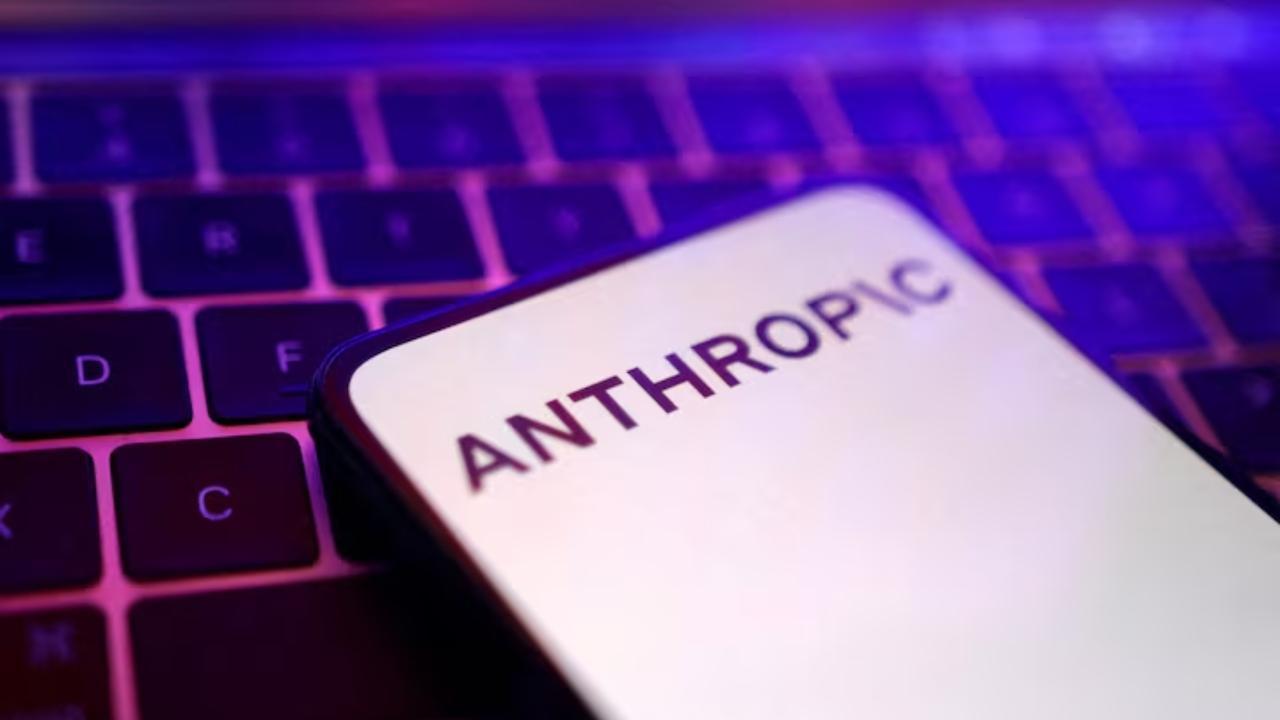
Anthropic is a company that builds artificial intelligence (AI) tools. One of its most powerful tools is a chatbot called Claude. Just like ChatGPT, Claude can talk to people, explain things clearly, and respond in a helpful way.
On August 12, 2025, Anthropic made a surprising announcement. It said that any U.S. federal agency—whether it’s in the White House, Congress, or the court system—can use Claude for just $1 per agency.
This move isn’t random. It comes shortly after Claude, OpenAI’s ChatGPT, and Google’s Gemini were all officially approved as safe and trusted AI tools for government use. That approval means agencies can now buy and use them more easily.
Why Offer Claude for Only $1?
Let’s be honest: one dollar isn’t going to make any company rich. So why would Anthropic do this?
Here’s why:
Anthropic’s CEO, Dario Amodei, said this offer shows how important it is for U.S. workers to have access to reliable, safe, and advanced AI tools—especially when those tools could help with important jobs.
Who Can Use Claude for $1?
Plus, Claude is already approved for work that’s “sensitive but unclassified.” That includes things like reviewing legal documents, analyzing reports, and summarizing rules. It’s important work, even if it’s not top secret.
This Isn’t Just Business – It’s Political
Anthropic’s $1 offer isn’t just about getting more users. It’s also part of a much bigger picture involving government spending and new technology.
Each year, the U.S. government spends over $100 billion on technology and cybersecurity. If Claude becomes part of that spending, even in a small way, it could be a huge win for Anthropic.
Also, if agencies start with the $1 version and like it, they might later choose to upgrade to more advanced (and more expensive) versions. That’s where the real business happens.
There’s also political momentum behind this. The current administration wants the government to move faster in adopting smart tech. Old rules that once made it hard to use AI are being reviewed or removed. This makes it easier for tools like Claude to be adopted.
Getting Claude added to the official GSA list (which helps agencies know what tools they’re allowed to buy) is a big step forward.
How Is the Government Reacting?
So far, most government agencies haven’t said much publicly. But behind the scenes, some may already be trying Claude quietly to see how well it works.
Since Claude is now officially approved, agencies can use it without breaking any rules. They still need to follow the usual government processes—like contracts, reviews, and security checks—but now it’s on the menu.
Why Does This Matter to Regular People?
Think about this in school terms.
Let’s say there’s a new educational app that helps students with homework. The company gives it to your school for only $1. If students and teachers love it, the school might decide to pay for more features next year.
That’s what’s happening here.
By offering Claude to the government for just $1, Anthropic is giving officials a low-risk way to try it. If government workers like it, trust it, and find it helpful, it could become a long-term tool in their daily work.
This kind of AI could help make things faster, easier, and smarter—from writing reports to checking documents. And if it’s successful in government, other industries (like law firms or banks) might take note too.
A Quick Recap
What Comes After?
Now that Claude is officially on the government’s approved list and being offered for nearly free, the next step depends on how useful it turns out to be.
If the tool really helps government workers do their jobs better and faster, it might stick around for good.
Anthropic hopes this low-cost offer will open the door. Once through, they plan to prove Claude is the right tool for many different government jobs—today and in the future.









DAE Achieves Remarkable Growth in Q1 2026 With Record Revenue
Dubai Aerospace Enterprise announces impressive financial results for Q1 2026, reflecting a surge in

Price Increase for Sony PS5 in Southeast Asia Effective May 1
Sony announces a price increase for the PS5 across Southeast Asia starting May 1, 2026, impacting ga

Potential ‘Super El Niño’ in 2026: Understanding the Climate Risks
Could a Super El Niño emerge in 2026? Discover its implications and potential global climate impacts

Global Energy Crisis Intensifies: Markets React to Oil Supply Challenges
Markets are on edge as oil disruptions escalate, influencing prices and economic stability. Explore

Must-See Tourist Spots in London You Can't Overlook
Explore London's essential attractions, from royal landmarks to vibrant markets, ensuring an unforge

Ultimate Guide to Snagging Cheap Flights in 2026
Unlock the secrets to booking affordable flights in 2026 with insightful tips and strategies tailore




