Post by : Sami Jeet
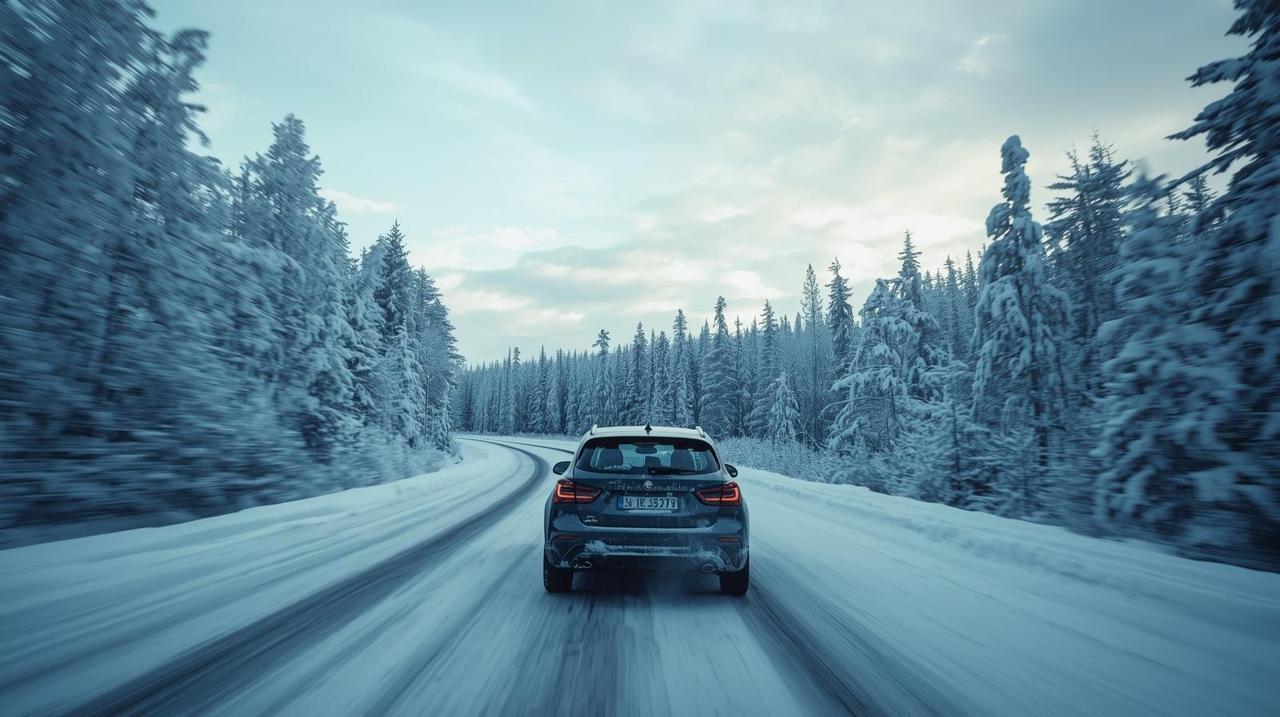
Embarking on a winter road trip in Iceland promises breathtaking views and unforgettable moments, from glistening glaciers to picturesque frozen waterfalls. However, the season poses its own unique set of challenges, including harsh weather, icy road conditions, and reduced daylight. Proper preparation is essential to navigate these issues while embracing the stunning beauty of Iceland. This comprehensive guide offers crucial strategies for planning, packing, navigating, and safe driving during your winter adventure.
Iceland's winter stretches from late October to early April, featuring temperatures that can vary widely from mildly cold to severely biting in some areas. However, it’s not just about temperature; the unpredictable weather is a significant factor. Sudden storms, fierce winds, and unexpected snowfall can arise at any moment.
Strong winds can shift vehicles sideways
Frequent snow squalls and storms
Icy road conditions, especially in northern and rural regions
Limited daylight — as few as 4-5 hours in December
Given these conditions, keeping a close watch on the weather and road reports throughout the day is crucial. Icelandic official websites offer real-time updates to help travelers avoid hazardous situations.
Your road trip's safety starts with choosing the right vehicle. While two-wheel drive cars might be budget-friendly, they fall short in accessing mountain roads, rural paths, and icy patches.
Enhanced control on snowy paths
Better traction in steep terrains
Increased stability in windy conditions
A 4x4 SUV will provide the best comfort and command on the road.
Studded winter tires
Emergency equipment supplied by the rental agency
Unlimited mileage option
Insurance that covers damage from sand, ash, and gravel
Outside major towns, Iceland's roads can feature loose gravel or icy spots. Having the right insurance mitigates potential repair costs due to adverse weather.
Winter driving demands tactical route planning due to limited daylight hours.
Restrict daily driving to 3–5 hours
Select accommodations well-positioned along your route
Avoid mountain passes during adverse weather
Opt for sightseeing near main highways
Recommended winter routes include the Golden Circle, South Coast to Jökulsárlón, and the southern stretches of the Ring Road, which are consistently maintained.
Weather alerts can require schedule adjustments. A flexible approach minimizes stress and enhances safety.
Iceland’s weather can shift quickly. Your journey will remain secure only if you consistently check current conditions.
Active storms
Wind speed levels
Accumulation of snow
Road status updates
Search and rescue teams often advise tourists to delay travel during hazardous weather. Following these alerts can prevent accidental harm or getting stranded.
Your safety greatly increases with the right supplies.
Phone charger and portable battery
Back-up maps for GPS failures
Snacks and water
Thermal blankets
Extra clothing for warmth and headlights
Since temperatures can plummet unexpectedly, being well-prepared helps maintain warmth while awaiting assistance.
Even the sturdiest 4x4 requires focus and patience on Iceland’s wintry roads.
Maintain a slower speed and increase your distance when braking
Avoid abrupt steering adjustments
Use lower gears on downhill sections
Keep headlights on at all times
Areas with shade can present deceptive “black ice,” which is common during winter.
During severe weather alerts
At night in unfamiliar landscapes
If visibility is exceptionally poor
Listening to local recommendations is crucial, as residents are well-acquainted with the region's risks.
Gas stations in rural Iceland might be few and far between, especially during winter when smaller stations may close early.
Refuel whenever your tank hits 50 percent
Bring snacks because remote stations may have limited options
Stick to gas stations located on heavily used routes
Running low on fuel in winter can thrust you into dangerous circumstances, particularly in plunging temperatures or rising winds.
Winter weather can cause untimely delays, making it essential to opt for flexible and well-positioned lodgings.
Cancellation flexibility
Proximity to main roads
Adequate heating and bedding
Accessible parking spaces
Avoid booking places in remote locations unless you possess considerable experience with winter conditions.
Even the most prepared travelers might encounter sudden weather changes.
Stay inside your accommodation
Refrain from attempting short drives
Consistently check updates
Notify your next accommodation if arrival is delayed
In Iceland, safety culture strongly encourages individuals to wait for storms to pass rather than risk travel.
While winter vistas are stunning, certain locations may become hazardous due to icy conditions.
Gullfoss
Skógafoss
Seljalandsfoss
Reynisfjara Black Sand Beach (approach with caution)
Jökulsárlón Glacier Lagoon
At various beaches and cliffs, always heed posted safety instructions. Reynisfjara Beach faces powerful sneaker waves, especially during winter, demanding heightened caution.
While it may seem disappointing to miss an attraction, safety must always prevail.
The path is icy
Wind speeds are beyond safe levels
Visibility is substantially low
Storm alerts are in effect
Missing an attraction is far better than risking injuries from slippery driving.
Despite Iceland being generally safe, winter driving necessitates awareness of emergencies.
Dial 112 for emergencies
Stay inside your vehicle during a storm
Activate hazard lights if you must stop roadside
Keep warm with layers, rather than solely relying on your car heater
While local police and rescue teams respond promptly, accessing remote spots can require time.
A winter road trip in Iceland can be a dream come true with careful planning. With a dependable 4x4, diligent weather monitoring, flexible itineraries, and specific winter driving practices, you can safely discover Iceland’s awe-inspiring scenery. Cherishing nature while understanding local weather is vital for a rewarding experience. Whether it’s the captivating waterfalls, icy beaches, or shimmering glaciers, thorough preparation allows for safe enjoyment during your journey.
This article provides general travel advice and safety tips. Iceland’s winter conditions can shift rapidly, and driving amid severe weather entails risks. Always consult official weather and road updates, adhere to local safety guidelines, and consider professional insights before commencing your winter road adventure. The writer holds no responsibility for any actions or choices made based on the information shared.









Anticipated Dates for UAE Eid Al Adha 2026 Unveiled by Astronomical Experts
Experts predict Eid Al Adha 2026 in the UAE to start on May 27, prompting early holiday planning amo

DAE Achieves Remarkable Growth in Q1 2026 With Record Revenue
Dubai Aerospace Enterprise announces impressive financial results for Q1 2026, reflecting a surge in

Price Increase for Sony PS5 in Southeast Asia Effective May 1
Sony announces a price increase for the PS5 across Southeast Asia starting May 1, 2026, impacting ga

Potential ‘Super El Niño’ in 2026: Understanding the Climate Risks
Could a Super El Niño emerge in 2026? Discover its implications and potential global climate impacts

Global Energy Crisis Intensifies: Markets React to Oil Supply Challenges
Markets are on edge as oil disruptions escalate, influencing prices and economic stability. Explore

Must-See Tourist Spots in London You Can't Overlook
Explore London's essential attractions, from royal landmarks to vibrant markets, ensuring an unforge




