Post by : Saif Nasser
Venezuela’s political crisis took another sharp turn after the country’s top prosecutor ordered the arrest of a close ally of opposition leader María Corina Machado only hours after he had been released from detention. The move has raised serious questions about political freedom, trust in the justice system, and the real meaning of recent prisoner releases.
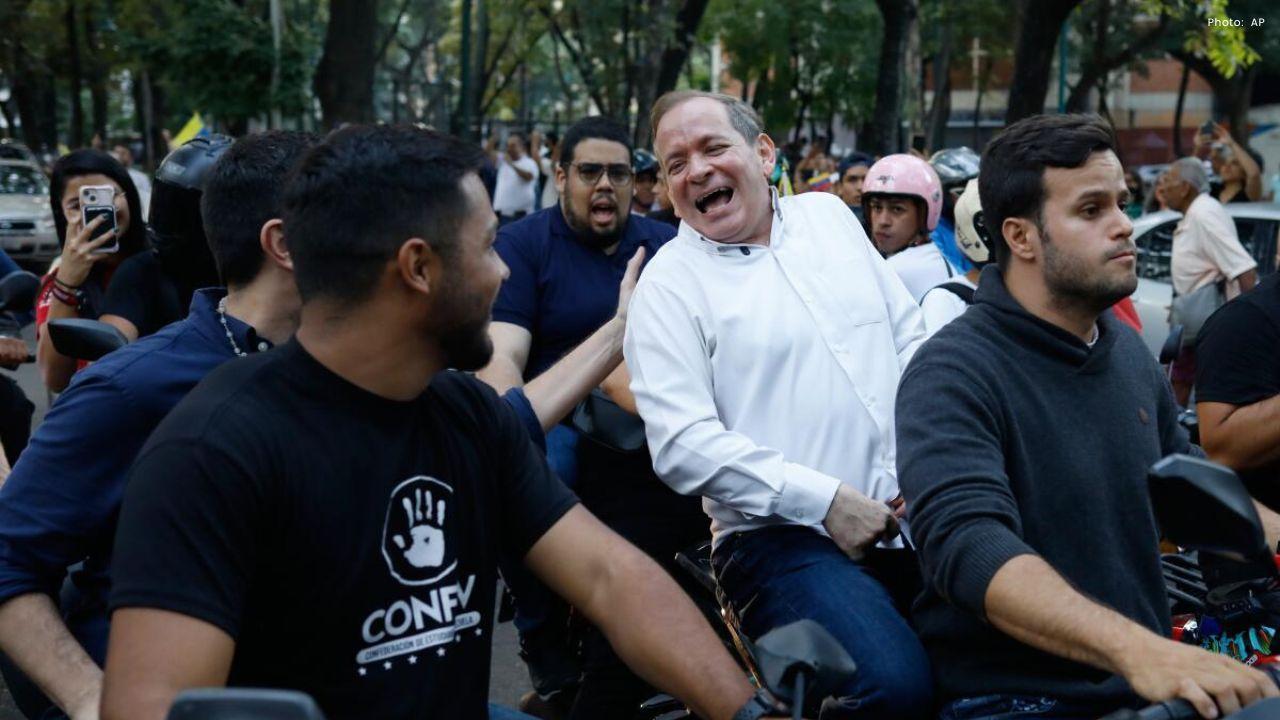
The case centers on Juan Pablo Guanipa, a senior opposition figure and former governor. He was freed along with several other opposition members after long periods in custody linked to political accusations. Many families and supporters had welcomed the releases as a hopeful sign that tensions might ease. But that hope quickly weakened when prosecutors announced they wanted Guanipa arrested again.
Authorities said the court should cancel the protective measure that allowed his release because he did not follow the required conditions. However, officials did not clearly explain what rule he supposedly broke. According to court papers shown by his family, the conditions were simple: he had to check in with the court each month and could not leave the country. His relatives say he followed both rules and had no chance to violate them in just a few hours of freedom.
His son told reporters that armed men in civilian clothes stopped his father’s vehicle late at night in Caracas. Since then, the family says they have not received clear official information about where he is or what exactly is happening with his legal status. This lack of transparency has added to public worry and anger.
This incident comes during a very unstable period in Venezuelan politics. The country is already facing deep division between the ruling authorities and opposition groups. Recent dramatic events at the national level led to a change in leadership and increased international attention. Under pressure from both local groups and foreign governments, officials had started releasing dozens of people who were jailed over political activities. Human rights groups said many of these detentions were unfair and too long.
Because of that background, the sudden move to seek Guanipa’s arrest again sends a confusing message. On one hand, the government speaks about reconciliation and amnesty. On the other hand, actions like this create fear that opposition figures can be detained again at any moment. When releases are followed by new arrest orders, public trust becomes weak.
Supporters of the opposition say this pattern discourages open speech and peaceful political work. They argue that democracy depends on the right to disagree with the government without fear of prison. If political leaders and activists believe they can be re-arrested quickly, they may avoid public activity, which limits debate and voter choice.
Government supporters, however, argue that court conditions must be respected and that no one should be above the law. They say if a person breaks release rules, authorities have the right to act. The problem is that without clear public evidence, many citizens remain unsure which side is correct.
Human rights organizations have long asked for clearer legal processes in political cases. They want open court records, timely updates to families, and independent review of detentions. International observers have also urged dialogue between political sides instead of repeated cycles of arrest and release.
The wider issue is not just about one person. It is about whether Venezuela can build a system where political disagreements are handled through elections and debate instead of detention and fear. Stability does not come only from control; it also comes from fairness and public confidence.
If the government truly wants calm and cooperation, its actions must match its promises. Clear laws, open procedures, and equal treatment are necessary steps. Without them, every new arrest order risks deepening the crisis instead of solving it.





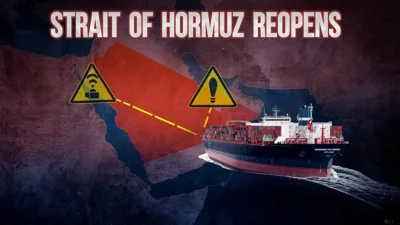
Reopening of the Strait of Hormuz: New Regulations to Impact Global Trade
Iran reopens the strategic Strait of Hormuz with new regulations affecting oil transport and global

Top 10 Must-See Attractions in NYC for First-Time Explorers
Discover essential experiences for first-time visitors to NYC, including attractions, culture, and i

Starbucks Engages Boyu Capital for Major Chinese Expansion
Starbucks teams up with Boyu Capital, selling a majority stake to boost growth and adapt to the Chin

Three Individuals Charged in Massive Meth Trafficking Case in Malaysia
In Malaysia, a married couple and another suspect are charged with trafficking 510kg of meth, facing

Singapore Police Revisit Geylang Murder Scene with Suspect
In Geylang, police return a murder suspect to the scene of a crime involving the fatal stabbing of a