
Post by : Shweta
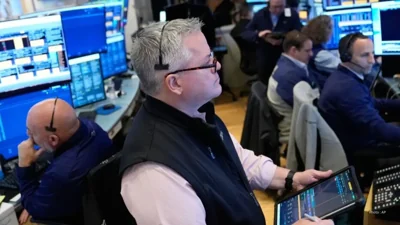
Financial markets around the world responded positively after Iran declared that the Strait of Hormuz is once again open for commercial oil traffic. This announcement precipitated a notable fall in oil prices and a striking upturn in stock markets across both the U.S. and Canada.
In the U.S., prominent stock indexes posted substantial gains. The S&P 500 surged by 1.2 percent, reaching an all-time high and marking its third successive week of growth. The Dow Jones Industrial Average experienced an increase of up to 1,100 points during trading, ultimately closing up by 868 points, while the Nasdaq Composite saw a 1.5 percent rise.
Similarly, in Canada, the S&P/TSX Composite Index experienced robust advancement, closing 294 points higher. This positive shift is indicative of increasing investor confidence as worries surrounding potential oil supply interruptions diminish.
Following the announcement, oil prices took a significant hit. U.S. crude fell approximately 9.4 percent, settling at $82.59 per barrel, while Brent crude dropped 9.1 percent to $90.38 per barrel. The decline in oil prices is anticipated to reduce expenses for fuel, goods, and transportation, potentially alleviating inflationary pressures worldwide.
The Strait of Hormuz, situated between Iran and Oman, is a pivotal oil transit route, facilitating nearly 20 percent of global oil supply. Its reopening follows weeks of heightened tensions related to the ongoing regional conflict. While this development has sparked optimism for stabilization, some uncertainties linger.
Market analysts welcomed the relief but cautioned that a full recovery in shipping operations might take time. Considerations about safety and insurance risks could slow the return to normal shipping through the strait, even though it is officially operational again.
Lower oil prices have also led to gains for companies reliant on fuel, including airlines and cruise lines, as the reduced costs bolster their profitability. Furthermore, strong earnings from major corporations have provided additional support to the stock markets.
While optimism reigns, analysts remind us that markets are still highly reactive to developments in the area. Past indicators of reduced tensions have rapidly changed, often resulting in stock and oil price volatility.
In summary, the reopening of the Strait of Hormuz has offered much-needed relief to global markets, yet investors remain vigilant for any new developments that might pose risks.









Reopening of the Strait of Hormuz: New Regulations to Impact Global Trade
Iran reopens the strategic Strait of Hormuz with new regulations affecting oil transport and global

Top 10 Must-See Attractions in NYC for First-Time Explorers
Discover essential experiences for first-time visitors to NYC, including attractions, culture, and i

Starbucks Engages Boyu Capital for Major Chinese Expansion
Starbucks teams up with Boyu Capital, selling a majority stake to boost growth and adapt to the Chin

Three Individuals Charged in Massive Meth Trafficking Case in Malaysia
In Malaysia, a married couple and another suspect are charged with trafficking 510kg of meth, facing
Singapore Police Revisit Geylang Murder Scene with Suspect
In Geylang, police return a murder suspect to the scene of a crime involving the fatal stabbing of a