Post by : Sami Jeet
The shift in investment trends away from physical gold
For many years, gold has been revered as a secure investment, particularly in cultures like India's where it holds significant emotional and financial importance. Traditionally, investments in gold were done through physical means—such as jewelry, coins, or bars. However, this practice is evolving.
Today, investors are turning to innovative and flexible alternatives such as digital gold and gold exchange-traded funds (ETFs). These options address numerous complications associated with physical gold, including issues of storage, security, and making charges. Additionally, they allow individuals to invest in gold without requiring substantial amounts of money upfront.
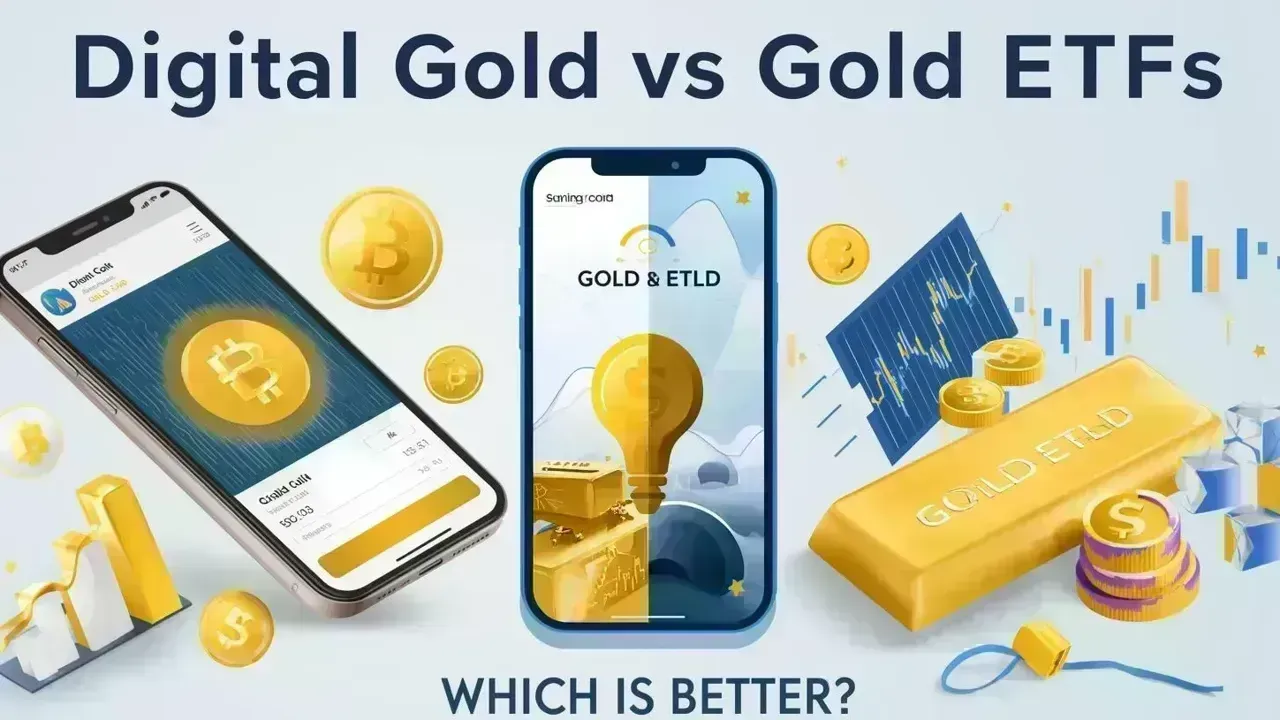
As more first-time investors enter the market, a key question arises: what differentiates digital gold from gold ETFs, and which investment is preferable?
Digital gold is a modern method of investing in gold through online platforms. By opting for digital gold, you acquire actual gold that a service provider securely stores for you.
Services like Paytm, PhonePe, and Google Pay have made digital gold widely accessible. Investment can begin with a minimal amount, sometimes even as little as a few rupees, making it appealing for novice investors.
The digital gold you purchase is typically backed by real gold held in secure vaults, and transactions can be made at any time through the platform. Some providers even offer the option to convert your digital gold into physical gold when desired.
Gold ETFs, or Exchange-Traded Funds, are financial products that mirror the price of gold and are traded on stock exchanges. Rather than owning physical gold, investors buy units of a fund that aggregates gold assets.
In India, the Securities and Exchange Board of India regulates gold ETFs, ensuring transparency and protecting investors.
By investing in a gold ETF, you don't hold tangible gold but own units that reflect its market price. These units can be bought and sold on stock exchanges similar to shares.
This structure provides a more regulated approach to gold investment.
A core distinction between digital gold and gold ETFs lies in ownership mechanics.
With digital gold, you are technically acquiring actual gold stored under your name. Although you don’t possess it physically, it’s underpinned by real gold.
Conversely, gold ETFs denote gold in a financial format. You own fund units, not the physical asset itself.
This distinction impacts how investments perform, their regulatory frameworks, and practical applications.
Digital gold is generally easier for beginners, given its straightforward nature. Investments can be made directly via mobile applications without the need for a trading account or complicated procedures.
In contrast, investing in gold ETFs requires:
While ETFs offer a more organized structure, they can seem a bit intricate for those new to the investment landscape.
Liquidity refers to how effortlessly you can buy or sell your assets.
Digital gold can typically be liquidated almost instantly via the platform used for the purchase, although pricing may fluctuate slightly based on the application.
Gold ETFs are traded on stock exchanges, allowing for buying and selling during market hours. Their prices are more transparent and directly tied to market fluctuations.
Both options present decent liquidity, but ETFs generally offer more consistent pricing.
Safety is crucial in investment choices.
Gold ETFs are overseen by SEBI, which enhances security and transparency, ensuring better protection for investors.
While digital gold is supported by physical gold, it does not have the same regulatory oversight, and its safety relies heavily on the provider’s reputation.
This makes ETFs a more secure choice for long-term investors prioritizing security.
Investing in digital gold may involve:
In contrast, gold ETFs generally come with:
Understanding these costs is crucial for calculating your net returns.
Digital gold is often ideal for short-term or minor investments. It permits gradual investment without the need to put down large sums.
Gold ETFs, on the other hand, are designed for long-term investment strategies. They fit well into diversified portfolio allocations and align better with thorough financial planning.
Your choice should reflect your aims: whether you seek ease or a more structured investment.
Tax implications are vital to consider as well.
For tax purposes, digital gold is treated similarly to physical gold, attracting capital gains tax based on the investment duration.
Gold ETFs also incur capital gains tax, but the specifics may differ based on regulations and holding periods.
Consulting a financial advisor can clarify tax implications further.
There isn’t a one-size-fits-all solution.
If you’re just starting your investment journey and desire a simple, adaptable option, digital gold might be an excellent place to begin.
Conversely, if you are a seasoned investor seeking transparency, regulation, and potential for long-term gains, gold ETFs could be a better fit.
Your financial goals ultimately guide your decision.
Gold remains a valuable asset; however, the method of investment is significant.
Both digital gold and gold ETFs provide benefits but serve distinct purposes. Focus on what best suits your needs, risk tolerance, and investment approach rather than following market fads.
Making informed investment choices today can contribute to a more secure financial future.
This article serves informational purposes only and should not be construed as financial advice. Always conduct thorough research or consult with a certified financial advisor before making any investment decisions.










Achieve Radiant Skin with This Simple Rice Flour Treatment
Transform your skincare routine! Discover how a rice flour mix can restore your skin's glow without

Meta Unveils Subscription Plans for Instagram, Facebook, and WhatsApp
Meta introduces new subscription plans for users of Instagram, Facebook, and WhatsApp, featuring enh

Suvarna Joy on Education Leadership, Resilience, and Building Purpose Through Adversity in the UAE
Suvarna Joy shares her journey of education leadership, motherhood, faith, and resilience within the

Anticipated Dates for UAE Eid Al Adha 2026 Unveiled by Astronomical Experts
Experts predict Eid Al Adha 2026 in the UAE to start on May 27, prompting early holiday planning amo

DAE Achieves Remarkable Growth in Q1 2026 With Record Revenue
Dubai Aerospace Enterprise announces impressive financial results for Q1 2026, reflecting a surge in

Price Increase for Sony PS5 in Southeast Asia Effective May 1
Sony announces a price increase for the PS5 across Southeast Asia starting May 1, 2026, impacting ga




