Post by : Saif Nasser
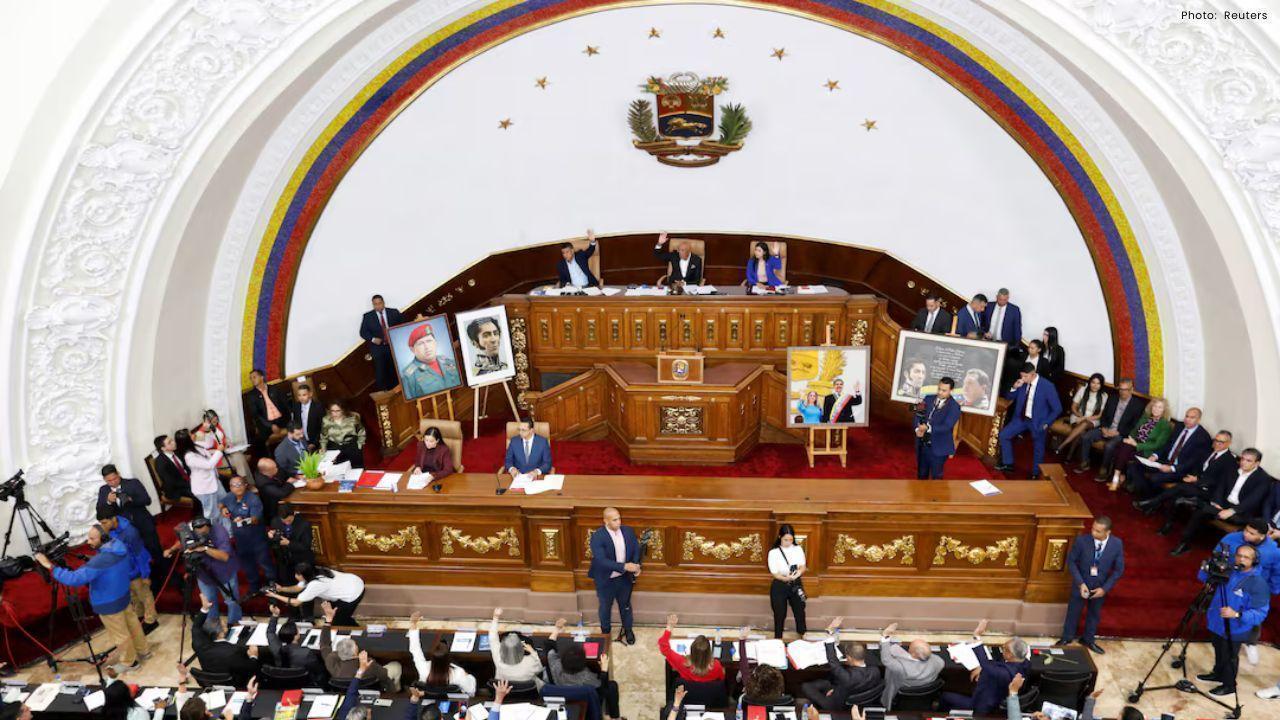
The legislature of Venezuela has passed a limited amnesty law that promises legal forgiveness to some people jailed after political protests. The law was approved after a second debate in the National Assembly, which is controlled by the ruling party. Government officials describe the move as an important step toward national peace. However, human rights groups say the measure does not go far enough and may leave many political detainees behind.
The law grants amnesty to people involved in political protests and certain violent events that took place in specific years, including 2002, 2004, 2007, 2009, 2013, 2014, 2017, 2019, 2023, 2024 and 2025. It does not clearly list every crime that qualifies, though earlier drafts mentioned charges such as rebellion, treason, resistance to authorities and instigation of illegal acts. Those convicted of “military rebellion” related to events in 2019 are excluded. Courts must review amnesty requests within 15 days.
The law allows Venezuelans living abroad to apply through a lawyer, but they must return to the country in person to receive the benefit. It also removes international arrest warrants for those who are granted amnesty. Still, it does not return confiscated property, remove bans on holding public office, or cancel sanctions placed on media outlets. Critics say these missing elements weaken the impact of the law.
This development comes during a time of political change. Interim President Delcy Rodriguez took office last month after the United States supported the removal of former President Nicolas Maduro. Since then, the new administration has adjusted oil policies and released hundreds of detainees as part of efforts to improve relations with Washington. The government says nearly 900 people have been freed over the past year.
However, the legal rights organization Foro Penal reports different figures. According to the group, around 450 people classified as political prisoners have been released since early January. The group believes many more remain in detention. Venezuelan authorities have always denied holding political prisoners and insist that those jailed committed crimes under the law.
Attorney General Tarek Saab said recently that the amnesty could help create a fully peaceful country. He repeated the government’s position that detainees were arrested for criminal actions, not for their political beliefs. Still, opposition leaders argue that many arrests were politically motivated, especially after the disputed 2024 presidential election, when thousands were detained during protests.
Even though the ruling party holds a large majority in the legislature, some opposition lawmakers supported the bill. They described it as imperfect but necessary. They also urged the government to respect the law and apply it fairly. For them, any step that brings people home to their families is meaningful.
In recent weeks, families of detainees and students have gathered in public demonstrations in Caracas. Some relatives began a hunger strike outside the Zona 7 police facility after a promised deadline for prisoner releases passed without action. These protests are among the strongest public displays of anger since the election unrest. Many families say they are tired of waiting and want clear answers.
The amnesty does not apply to those convicted of serious crimes such as murder, drug trafficking, corruption, war crimes or human rights violations. It also excludes anyone accused of promoting armed actions against Venezuela with support from foreign governments. Officials often accuse opposition figures of working with outside agencies to damage the country, an accusation that opposition leaders deny.
Supporters of the law say it opens the door to forgiveness and reconciliation. Critics argue that real change requires more than partial releases. They say the legal system must treat all citizens equally and without political pressure. They also call for reforms that protect freedom of speech and peaceful protest.
For many Venezuelans, the law offers hope mixed with uncertainty. Families are watching closely to see how quickly courts process cases and whether promises turn into real action. The coming weeks will show whether this measure becomes a true step toward healing political divisions or simply a limited gesture in a long and painful struggle.



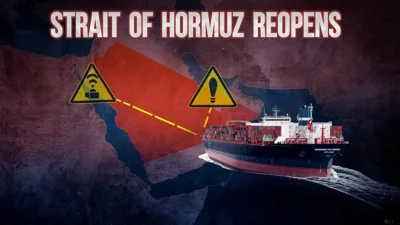
Reopening of the Strait of Hormuz: New Regulations to Impact Global Trade
Iran reopens the strategic Strait of Hormuz with new regulations affecting oil transport and global

Top 10 Must-See Attractions in NYC for First-Time Explorers
Discover essential experiences for first-time visitors to NYC, including attractions, culture, and i

Starbucks Engages Boyu Capital for Major Chinese Expansion
Starbucks teams up with Boyu Capital, selling a majority stake to boost growth and adapt to the Chin

Three Individuals Charged in Massive Meth Trafficking Case in Malaysia
In Malaysia, a married couple and another suspect are charged with trafficking 510kg of meth, facing
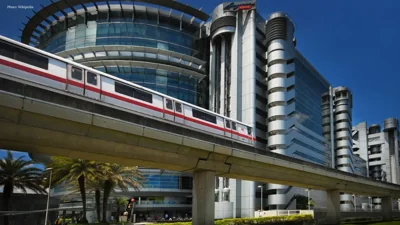
Singapore Police Revisit Geylang Murder Scene with Suspect
In Geylang, police return a murder suspect to the scene of a crime involving the fatal stabbing of a