Post by : Priya
Photo:Reuters
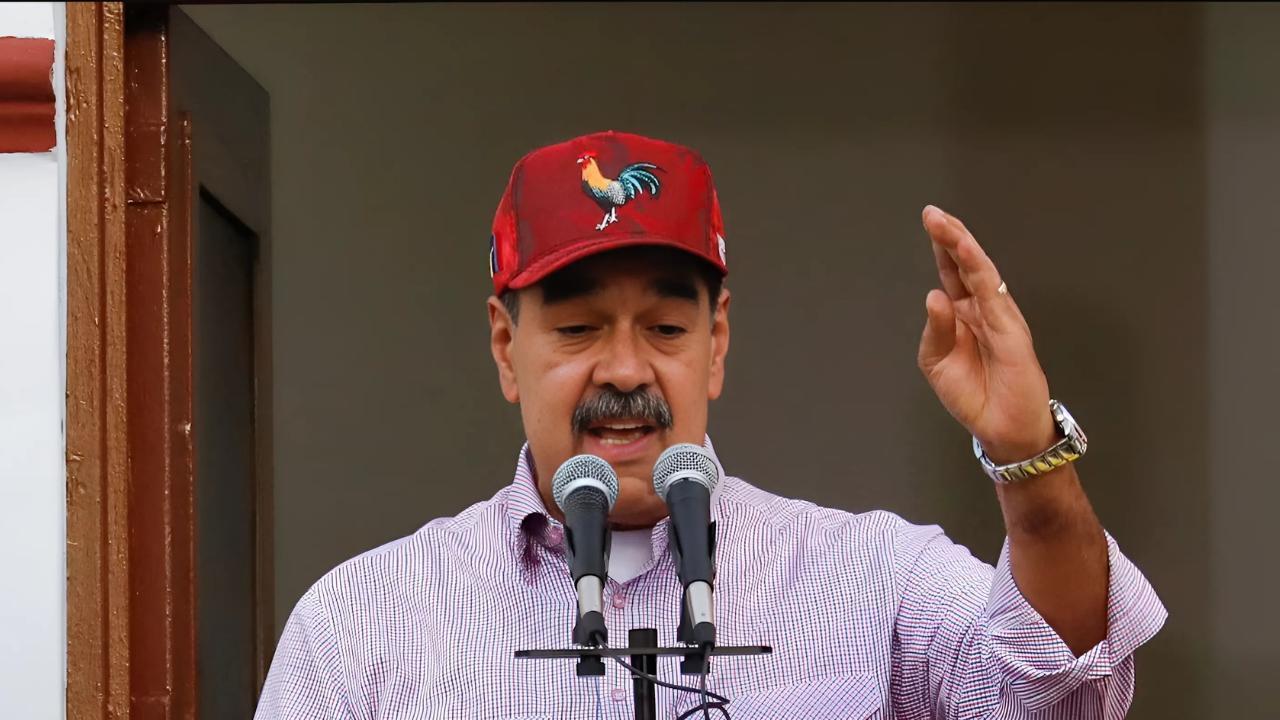
The United States government has recently increased the reward for the capture of Venezuelan President Nicolás Maduro to $50 million, the highest bounty ever offered for his arrest. This bold action renews international focus on Maduro’s alleged involvement in drug trafficking and highlights ongoing tensions between the U.S. and Venezuela.
Background on Nicolás Maduro and Venezuela’s Crisis
Nicolás Maduro has led Venezuela since 2013, inheriting a country already facing economic and political challenges. Over the years, Venezuela’s crisis has deepened under Maduro’s presidency, marked by hyperinflation, food shortages, mass migration, and widespread political unrest. Maduro’s leadership has been heavily criticized both globally and within Venezuela for alleged human rights abuses, erosion of democratic institutions, and corruption.
Despite widespread condemnation, Maduro secured a controversial third term in 2024, which many international observers, including the United States and members of the European Union, have declared illegitimate. Several countries recognize opposition leaders as Venezuela’s rightful representatives, increasing the country’s diplomatic isolation.
What Led to the $50 Million Reward?
The U.S. first charged Nicolás Maduro and several associates in 2020 with serious federal crimes, including narco-terrorism and conspiracy to import cocaine into the United States. The accusations allege Maduro’s close links to drug cartels, and that his regime helped flood the U.S. with cocaine laced with fentanyl, a deadly synthetic opioid.
At the time of the initial indictment, the U.S. offered a $15 million reward for information leading to Maduro’s arrest. This amount was doubled to $25 million early in 2025 during Biden’s administration, reflecting growing urgency and evidence. Now, the Trump administration has doubled the reward once again to a staggering $50 million — a sum comparable to historic bounties such as that offered for Osama bin Laden after the September 11 attacks.
Attorney General Pam Bondi announced this increase on August 7, asserting that Maduro "will not escape justice" and will be held responsible for his "despicable crimes."
This decision reflects the U.S. justice system's view that Maduro is not only a political leader but a key player in narcotics trafficking networks that pose a danger to the American people.
Legal and Political Implications
To understand the magnitude of this step, it’s essential to look at both legal and political angles.
Legally, the indictment against Maduro lays out detailed allegations of Maduro’s involvement with drug trafficking organizations like the Sinaloa Cartel and the Gulf Clan. U.S. authorities have seized more than $700 million in assets linked to Maduro, including private jets and real estate. The Justice Department also reports that nearly seven tons of cocaine seized have been traced back to his network.
Politically, this reward increase signals the U.S.'s intensified stance against Maduro and his allies. It also reflects the long-standing tension between Venezuela and the U.S., dating back decades but sharply escalating under Maduro.
Despite the bounty and international pressure, Maduro has remained firmly in power. He has resisted extradition demands and defied sanctions imposed by the U.S. and allied countries. Venezuela’s government has dismissed the reward as “pathetic” and a political stunt designed to undermine Maduro’s legitimacy.
Recent Developments Between the U.S. and Venezuela
The relationship between Washington and Caracas remains complex, with moments of both confrontation and negotiation.
Prisoner Releases and Migration Deals: Earlier in 2025, the Trump administration brokered a deal securing the release of 10 Americans imprisoned in Venezuela in exchange for Venezuela agreeing to accept migrants deported by the U.S. to other countries as part of immigration enforcement measures.
Renewed Oil Business: Following this, the U.S. allowed the oil company Chevron to resume operations in Venezuela, reversing former restrictions linked to sanctions. This willingness to engage economically shows the pragmatic, if tense, relationship dynamics that continue to shape policy.
Why Does the U.S. Consider Maduro a Major Threat?
The U.S. government sees Maduro as more than a political adversary; he is viewed as a global narcotics trafficker whose actions have direct consequences for American communities suffering from drug addiction and overdose deaths. According to U.S. authorities, Maduro’s regime intentionally facilitates the trafficking of fentanyl-laced cocaine, contributing to the opioid crisis that has killed hundreds of thousands.
Fentanyl is highly potent and lethal even in small doses. It has drastically increased overdose deaths in the U.S., and combating its flow is a national priority. By intensifying pressure on Maduro, the U.S. aims to disrupt trafficking networks at their supposed source.
International Reactions and the Venezuelan Response
International responses to the increased reward have been mixed:
U.S. Allies: Countries aligned with the U.S., such as those in the European Union and several Latin American nations, continue to support actions against Maduro’s regime, maintaining sanctions and diplomatic isolation.
Venezuelan Government: Maduro’s administration condemns the reward as a political attack and propaganda designed to destabilize Venezuela and interfere with its sovereignty. Venezuelan Foreign Minister Yvan Gil described the $50 million bounty as "pathetic" and defended Maduro's legitimacy, accusing the U.S. of political manipulation.





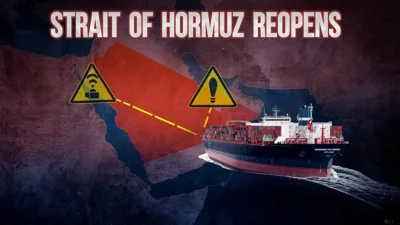
Reopening of the Strait of Hormuz: New Regulations to Impact Global Trade
Iran reopens the strategic Strait of Hormuz with new regulations affecting oil transport and global

Top 10 Must-See Attractions in NYC for First-Time Explorers
Discover essential experiences for first-time visitors to NYC, including attractions, culture, and i

Starbucks Engages Boyu Capital for Major Chinese Expansion
Starbucks teams up with Boyu Capital, selling a majority stake to boost growth and adapt to the Chin
Three Individuals Charged in Massive Meth Trafficking Case in Malaysia
In Malaysia, a married couple and another suspect are charged with trafficking 510kg of meth, facing
Singapore Police Revisit Geylang Murder Scene with Suspect
In Geylang, police return a murder suspect to the scene of a crime involving the fatal stabbing of a