Post by : Saif Nasser
A new oil deal between the United States and Venezuela has created strong global reactions, angering China and causing oil prices to fall. The agreement signals a major shift in energy flows and highlights how politics is reshaping the global oil market.
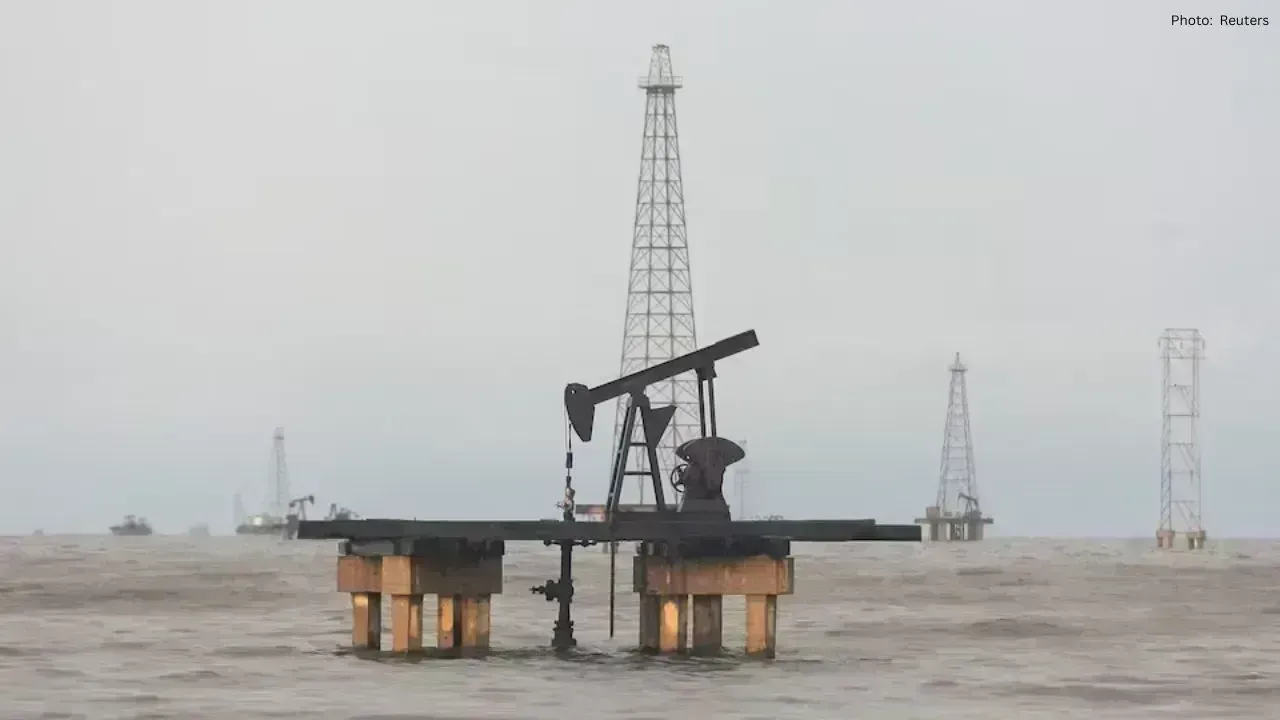
Under the deal announced by President Donald Trump’s administration, the United States plans to import and refine up to 50 million barrels of Venezuelan crude oil. The oil, which had been stuck due to US sanctions, is expected to be sold at market prices. Trump said the revenue would be controlled by the US government and used to benefit both Americans and Venezuelans.
The announcement immediately affected global markets. Oil prices dropped by about 1 percent as traders expected more supply to enter the market. Investors believe that the return of Venezuelan oil, even in limited volumes, could ease pressure on global supplies.
China reacted sharply to the deal. Beijing, which has been Venezuela’s largest oil buyer for years, accused Washington of bullying and violating international law. Chinese officials said the US move damages Venezuela’s sovereignty and hurts the Venezuelan people. China, along with Russia and other allies, has already condemned the US military operation that led to the capture of Venezuelan leader Nicolas Maduro.
The oil agreement comes after Maduro was seized by US forces and taken to the United States to face narcotics-related charges. While Maduro’s allies still control much of the government, interim President Delcy Rodriguez is trying to balance public anger over Maduro’s capture with pressure from Washington to cooperate.
Trump has made it clear that oil is central to his Venezuela strategy. He has focused on reviving the country’s oil sector with help from US companies, while putting less emphasis on political reforms or elections for now. Venezuela has not officially confirmed the oil deal, but preparations appear to be underway to reroute shipments that were earlier headed to China.
The situation has also raised concerns among US allies. Many are uneasy about the precedent set by capturing a foreign head of state and the growing use of force to secure economic interests. China and Russia see the oil deal as part of a wider effort by the US to expand its influence in Latin America.
Inside Venezuela, opposition leaders remain sidelined. Maria Corina Machado, a leading opposition figure, wants fresh elections but says her priority is avoiding instability. The US has warned senior Venezuelan officials that failure to cooperate could lead to severe consequences, including sanctions or legal action.
The US is also pushing Venezuela to reduce ties with China, Russia, Cuba, and Iran. This pressure adds another layer of tension to an already fragile situation, as Venezuela tries to rebuild its economy after years of decline.
The US–Venezuela oil deal shows how energy, politics, and power are closely linked. While the agreement may help stabilize oil markets in the short term, it has opened new global rifts that could shape energy and diplomacy for years to come.







The Impact of Consistent Small Investments on Wealth Building
Discover how investing small amounts regularly can positively transform your financial future over t

7.5 Magnitude Earthquake Strikes Japan, Tsunami Alerts Issued
Japan experiences a hefty 7.5 quake, prompting tsunami alerts and safety measures. Stay updated on a
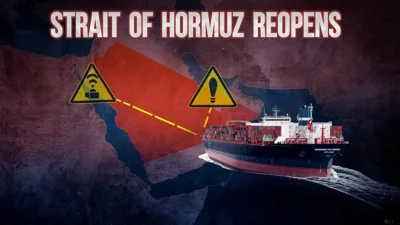
Reopening of the Strait of Hormuz: New Regulations to Impact Global Trade
Iran reopens the strategic Strait of Hormuz with new regulations affecting oil transport and global

Top 10 Must-See Attractions in NYC for First-Time Explorers
Discover essential experiences for first-time visitors to NYC, including attractions, culture, and i

Starbucks Engages Boyu Capital for Major Chinese Expansion
Starbucks teams up with Boyu Capital, selling a majority stake to boost growth and adapt to the Chin
Three Individuals Charged in Massive Meth Trafficking Case in Malaysia
In Malaysia, a married couple and another suspect are charged with trafficking 510kg of meth, facing