Post by : Saif Nasser
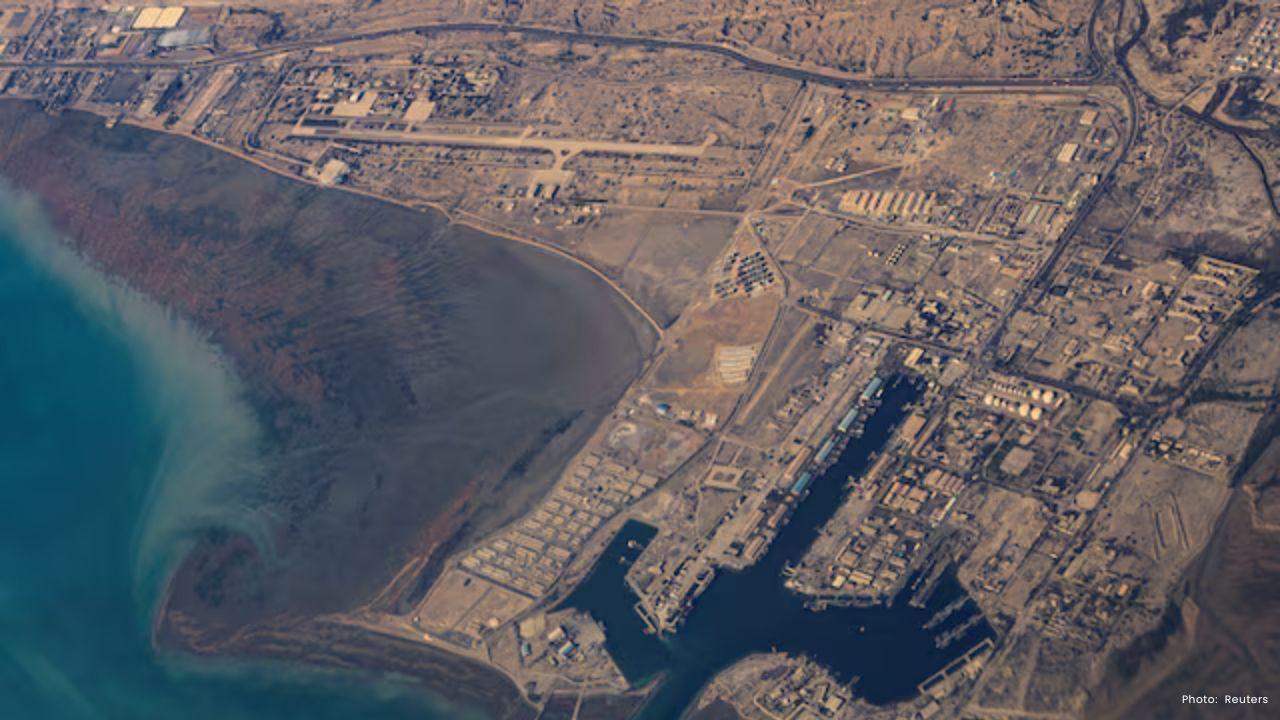
Tensions in the Middle East continue to rise as Iran’s Revolutionary Guards publicly challenged U.S. President Donald Trump over his suggestion that the United States Navy could escort oil tankers through the Strait of Hormuz. The statement came during a period of growing military conflict in the region, which has already disrupted shipping and energy supplies.
The Strait of Hormuz is one of the most important waterways in the world for oil transportation. A large portion of global crude oil shipments passes through this narrow channel between Iran and Oman. Because of its strategic location, any conflict or military activity in this area can quickly affect global energy markets and international trade.
The latest exchange of words between Tehran and Washington began after President Trump said that the U.S. Navy could escort commercial oil tankers through the strait if needed. His statement suggested that the United States might take direct action to ensure that oil shipments continue despite rising security threats in the region.
Soon after these remarks, a spokesperson for Iran’s Islamic Revolutionary Guard Corps responded strongly. According to Iranian state media, the official said Iran would welcome such a move and challenged the United States to send its naval forces into the strait. He added that Iranian forces were waiting to see whether the U.S. Navy would actually appear to escort ships through the waterway.
The Iranian spokesperson also warned American leaders to remember earlier incidents in the region, including attacks on oil tankers in the past. By referencing these events, Iran signaled that any attempt by foreign military forces to control shipping in the strait could lead to further confrontation.
The comments come during a larger regional conflict involving Iran, the United States, and Israel. Since the fighting began, shipping through the Strait of Hormuz has slowed dramatically. Some vessels have been attacked, while others have avoided the area due to safety concerns and high insurance costs.
Reports indicate that several ships have been damaged since the start of the conflict, and many shipping companies have temporarily halted operations in the region. At least nine vessels have reportedly been attacked since military strikes began, increasing fears among ship owners and international traders.
The Strait of Hormuz plays a critical role in the global energy system. Around one-fifth of the world’s oil supply normally travels through this narrow route. Any disruption to traffic in the strait can cause major price changes in international oil markets and affect economies across the world.
Because of its importance, the strait has often been at the center of geopolitical tensions. Iran has repeatedly warned that it could block or restrict the passage of ships if it faces military pressure or economic sanctions. At the same time, Western countries have stated that freedom of navigation must be protected.
Military analysts say escorting tankers through the Strait of Hormuz would be a difficult and risky operation. The narrow waterway lies close to Iran’s coastline, and the area is heavily monitored by Iranian naval forces and missile systems. Any direct encounter between Iranian forces and U.S. warships could quickly escalate into a larger military confrontation.
The current crisis has already created serious concerns for global energy security. Oil companies, shipping firms, and insurance providers are watching the situation closely. War-risk insurance for ships traveling through the region has increased sharply, making transportation more expensive.
Some oil tankers are now waiting outside the strait rather than entering the high-risk zone. This situation has slowed the movement of crude oil and liquefied natural gas shipments, which could lead to higher fuel prices worldwide if the conflict continues.
Meanwhile, the United States and its allies are considering several options to keep shipping lanes open. One possibility is organizing naval patrols or escort missions similar to those used during previous crises in the Gulf region. However, such operations require careful planning and international cooperation to avoid accidental clashes.
Iran has also sent mixed signals about its intentions regarding the strait. While officials have suggested that the waterway may remain open, they have also warned that ships linked to the United States or Israel could become targets during the conflict.
These warnings have added to the uncertainty surrounding the situation. Maritime experts say that even the perception of danger can discourage shipping companies from using the route, which can have the same economic impact as an official blockade.
Beyond the economic effects, the conflict has also raised fears for the safety of seafarers working on ships in the region. Many crew members have reported feeling trapped on vessels anchored near the strait as tensions continue to grow and military activity increases.
The broader geopolitical situation remains unstable. Military actions between Iran, Israel, and the United States have already expanded across several parts of the Middle East. Airstrikes, missile attacks, and naval incidents have increased the risk that the conflict could spread further.
Diplomatic efforts to reduce tensions have so far produced limited results. Several international leaders have called for calm and urged both sides to avoid actions that could escalate the crisis.
For now, the Strait of Hormuz remains one of the most closely watched locations in the world. Any new development in this narrow waterway could quickly influence global energy markets and international security.
As the war continues and political rhetoric intensifies, the question of whether the U.S. Navy will escort oil tankers through the strait remains unanswered. What is clear, however, is that the situation has become a critical test for both regional stability and the global energy system.







DAE Achieves Remarkable Growth in Q1 2026 With Record Revenue
Dubai Aerospace Enterprise announces impressive financial results for Q1 2026, reflecting a surge in

Price Increase for Sony PS5 in Southeast Asia Effective May 1
Sony announces a price increase for the PS5 across Southeast Asia starting May 1, 2026, impacting ga

Potential ‘Super El Niño’ in 2026: Understanding the Climate Risks
Could a Super El Niño emerge in 2026? Discover its implications and potential global climate impacts

Global Energy Crisis Intensifies: Markets React to Oil Supply Challenges
Markets are on edge as oil disruptions escalate, influencing prices and economic stability. Explore

Must-See Tourist Spots in London You Can't Overlook
Explore London's essential attractions, from royal landmarks to vibrant markets, ensuring an unforge

Ultimate Guide to Snagging Cheap Flights in 2026
Unlock the secrets to booking affordable flights in 2026 with insightful tips and strategies tailore




