Post by : Saif Nasser
The United States government is looking for stronger ways to deal with rising energy prices as tensions connected to Iran continue to disturb global oil markets. Officials at the White House say the situation has become serious and may require quick and bold action to protect the economy and keep fuel prices under control.
The conflict involving Iran has created uncertainty in the Middle East, a region that produces a large share of the world’s oil. When conflict spreads in this area, it often causes fear in global markets. Oil traders worry that supply could be interrupted, and this fear alone can push prices higher.
In recent days, global oil prices have climbed sharply. The increase happened as fighting and political tension raised concerns about oil shipments moving through the Gulf region. Energy experts say the market reacts quickly whenever there is a threat to important shipping routes or production centers.
The White House has asked several government agencies to study the situation and suggest stronger steps if needed. These agencies are reviewing different options that could help reduce pressure on energy prices. The main goal is to protect American consumers and prevent a sudden rise in living costs.
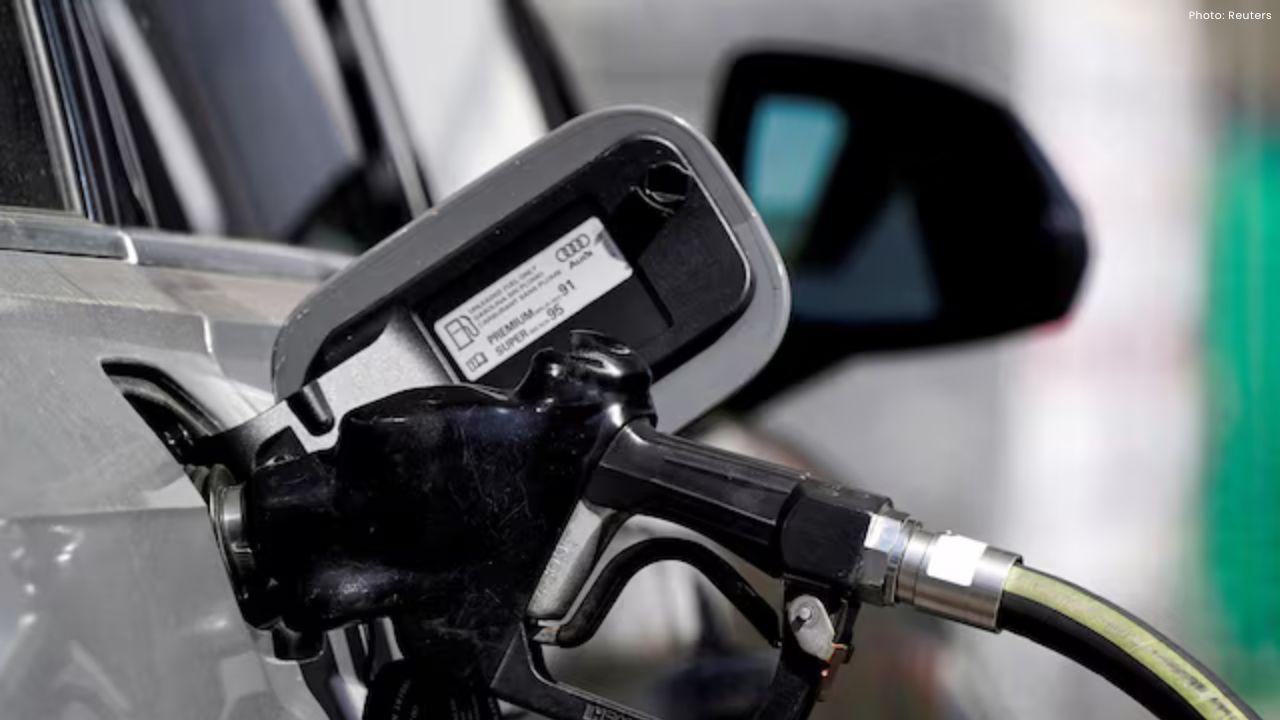
Energy prices affect almost every part of the economy. When oil becomes expensive, the cost of gasoline, diesel, and transportation also rises. This increase can affect food prices, travel costs, and even electricity bills. Because of this, governments often act quickly when oil prices rise too fast.
One of the main concerns right now is the safety of oil shipments through the Strait of Hormuz. This narrow sea route connects the Persian Gulf to the open ocean and is one of the busiest oil shipping lanes in the world. A large amount of global oil trade moves through this route every day.
If shipping in the strait is slowed or blocked, the effect can be felt across the entire world economy. Oil supplies may become tighter, and countries that depend heavily on imported energy may face serious challenges.
Reports suggest that shipping activity in the region has already been affected by security concerns. Some oil tankers are being more cautious, while others are waiting before entering the waterway. These delays can reduce the flow of oil and increase pressure on global supply.
The United States is also looking at ways to stabilize markets if the situation becomes worse. One possible step could involve releasing oil from emergency reserves. These reserves are stored to help the country deal with supply shortages during major crises.
Another possible approach is working with other oil-producing nations to increase production. If more oil enters the global market, prices may stabilize and reduce pressure on consumers.
At the same time, experts warn that the energy market is highly sensitive to geopolitical tensions. Even small changes in the security situation can cause large swings in oil prices. Because of this, governments must watch the situation closely and be ready to respond quickly.
For many families and businesses, energy prices are more than just numbers in the market. Higher fuel costs affect daily travel, transportation of goods, and the price of many basic products. When fuel becomes expensive, the impact spreads throughout the economy.
The White House says it understands these concerns and wants to ensure that energy markets remain stable during the current crisis. Officials are continuing discussions with energy companies, international partners, and economic advisors to find the best way forward.
As the conflict involving Iran continues to develop, the global energy market will remain under close watch. What happens in the coming weeks may determine whether prices stabilize or continue to climb.
For now, the focus in Washington is clear: keep energy supplies flowing, protect consumers, and prevent the crisis from turning into a larger economic problem.







DAE Achieves Remarkable Growth in Q1 2026 With Record Revenue
Dubai Aerospace Enterprise announces impressive financial results for Q1 2026, reflecting a surge in

Price Increase for Sony PS5 in Southeast Asia Effective May 1
Sony announces a price increase for the PS5 across Southeast Asia starting May 1, 2026, impacting ga

Potential ‘Super El Niño’ in 2026: Understanding the Climate Risks
Could a Super El Niño emerge in 2026? Discover its implications and potential global climate impacts

Global Energy Crisis Intensifies: Markets React to Oil Supply Challenges
Markets are on edge as oil disruptions escalate, influencing prices and economic stability. Explore

Must-See Tourist Spots in London You Can't Overlook
Explore London's essential attractions, from royal landmarks to vibrant markets, ensuring an unforge

Ultimate Guide to Snagging Cheap Flights in 2026
Unlock the secrets to booking affordable flights in 2026 with insightful tips and strategies tailore




