Post by : Saif Nasser
The ongoing war involving Iran has become the latest threat to an already fragile global economy. Economists and analysts say the conflict is adding new pressure to financial markets, trade routes, and energy supplies around the world. The situation is particularly worrying because the global economy was already facing uncertainty due to aggressive economic policies and political tensions linked to U.S. President Donald Trump.
The war began after large-scale military strikes targeted Iran and quickly escalated into a broader regional conflict. In just a few days, the crisis has disrupted shipping routes, increased oil prices, and shaken financial markets. Experts warn that if the fighting continues or spreads further, the economic impact could reach nearly every country.
One of the biggest concerns is the sudden rise in energy prices. Oil markets reacted immediately to the conflict, with prices climbing sharply as investors feared that the fighting could interrupt supplies from the Middle East. Energy costs are important because they influence transportation, manufacturing, and electricity production around the world. Rising energy prices can quickly lead to higher prices for goods and services, which increases inflation.
In the days after the conflict began, global oil prices jumped above $90 per barrel, marking one of the largest increases in years. Analysts say the surge is linked to fears that major energy facilities or shipping routes could be damaged or blocked during the war.
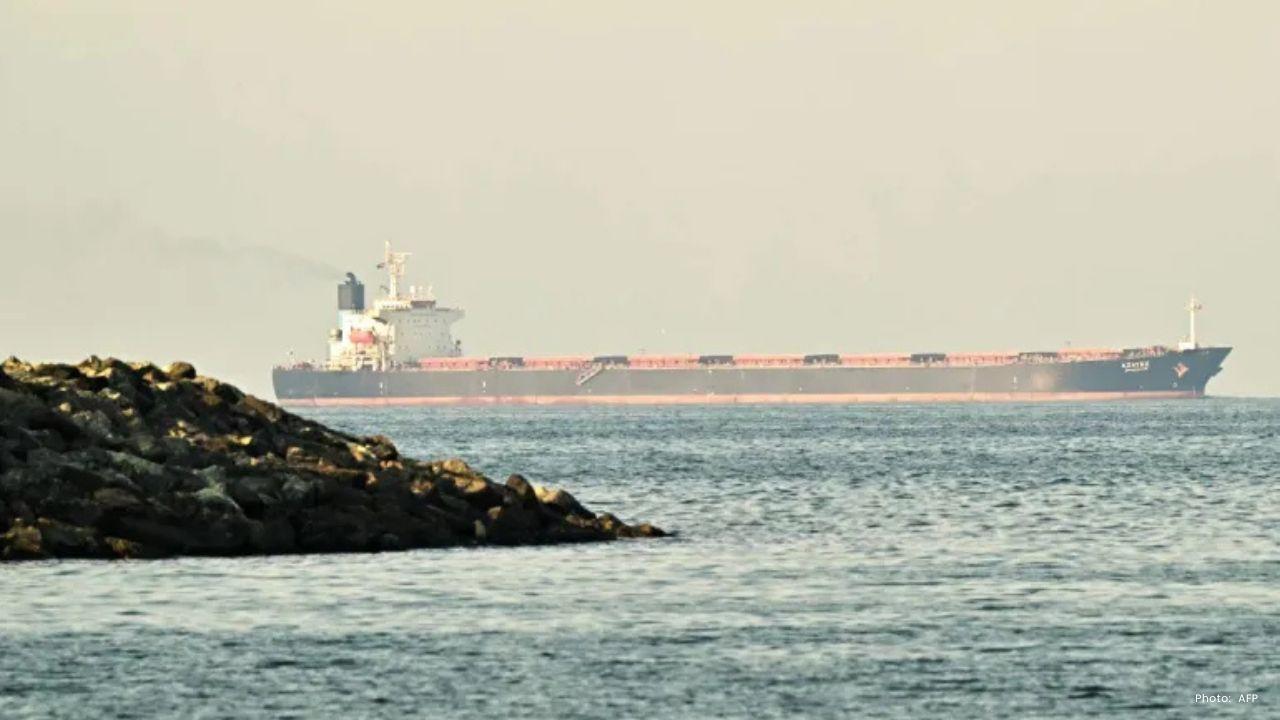
A key area of concern is the Strait of Hormuz, a narrow waterway between Iran and Oman. This passage is one of the most important oil routes in the world. Around 20 percent of global oil shipments pass through this strait each day. If tanker traffic is disrupted there, the global supply of oil could drop suddenly.
Recent reports suggest that tanker traffic in the strait has already slowed dramatically due to the conflict. Some shipping companies have stopped sending vessels through the area because of security risks. In some cases, ships are waiting outside the region instead of entering the dangerous waters. This slowdown has already caused a rise in oil prices and increased uncertainty in global markets.
Higher oil prices are only one part of the problem. The conflict is also affecting global financial markets. Investors often react quickly to geopolitical crises because wars can disrupt supply chains, trade routes, and economic stability. As the fighting intensified, stock markets in several regions experienced sharp declines while investors moved money into safer assets.
Another reason the global economy is vulnerable is that it was already facing pressure from recent political and economic decisions. Policies introduced by President Trump—including trade disputes, tariffs, and strong geopolitical actions—have already unsettled international markets. Economists say the war has now added another layer of risk to an economy that was already under stress.
Some experts believe the combination of war and economic tensions could slow global growth. Businesses may delay investments if they are uncertain about energy costs or trade conditions. Companies that rely heavily on fuel, such as airlines and shipping firms, could see their costs rise significantly.
The war could also affect food prices and supply chains. Many countries in the Middle East depend on imported food that travels through key shipping routes in the region. If those routes become unsafe or restricted, supplies could be delayed or become more expensive. This would put additional pressure on countries that already struggle with inflation and economic instability.
For developing nations, the effects could be even more serious. Many emerging economies rely on imported oil and gas to power their industries and transportation systems. When energy prices rise, governments may need to spend more money on fuel imports. This can weaken national currencies and increase government debt.
The aviation and tourism industries are also facing uncertainty. Airlines often reduce flights or change routes during conflicts to avoid dangerous airspace. These adjustments increase costs and reduce travel demand. Tourism in parts of the Middle East could also decline if the conflict continues.
At the same time, the war is expected to bring huge financial costs for the countries directly involved. Military operations, equipment losses, and damage to infrastructure can cost billions of dollars. Governments often have to increase defense spending during wartime, which can strain national budgets.
Economists also warn that long wars often have lasting economic consequences. Even after fighting stops, rebuilding damaged infrastructure and restoring trade networks can take years. The longer the conflict continues, the more difficult recovery may become.
Despite these risks, some analysts believe the global economy may still avoid a severe crisis if the conflict remains limited. Financial markets have faced many geopolitical shocks in the past and often recover once tensions ease. However, this depends on whether the fighting spreads to more countries or disrupts major energy facilities.
For now, global leaders are closely watching the situation. Governments, businesses, and investors are all trying to understand how long the conflict may last and how serious its economic effects could become.
The Iran war has reminded the world how closely connected global politics and economic stability are. A conflict in one region can quickly affect fuel prices, trade, and financial markets everywhere.
As the fighting continues, the biggest question for the world economy is whether the conflict will remain limited or grow into a wider regional war. The answer to that question may determine whether the global economy faces only temporary turbulence or a much deeper shock.







DAE Achieves Remarkable Growth in Q1 2026 With Record Revenue
Dubai Aerospace Enterprise announces impressive financial results for Q1 2026, reflecting a surge in

Price Increase for Sony PS5 in Southeast Asia Effective May 1
Sony announces a price increase for the PS5 across Southeast Asia starting May 1, 2026, impacting ga

Potential ‘Super El Niño’ in 2026: Understanding the Climate Risks
Could a Super El Niño emerge in 2026? Discover its implications and potential global climate impacts

Global Energy Crisis Intensifies: Markets React to Oil Supply Challenges
Markets are on edge as oil disruptions escalate, influencing prices and economic stability. Explore

Must-See Tourist Spots in London You Can't Overlook
Explore London's essential attractions, from royal landmarks to vibrant markets, ensuring an unforge

Ultimate Guide to Snagging Cheap Flights in 2026
Unlock the secrets to booking affordable flights in 2026 with insightful tips and strategies tailore




