Post by : Saif Nasser
One week after the start of the war involving Iran, the United States and its allies are facing growing risks and uncertainty. What began as a major military operation has quickly expanded into a wider regional conflict. Experts say the situation is becoming more complicated for the United States and for President Donald Trump, both on the global stage and at home.
The war started when the United States and Israel launched large-scale strikes against Iranian military and government targets. These attacks were aimed at weakening Iran’s military power and preventing it from threatening regional security. The operation included strikes on many sites inside Iran and the killing of several top Iranian officials.
In the first few days, U.S. officials claimed that the attacks had achieved important military success. However, the situation has not calmed down. Instead, Iran responded with missile and drone strikes targeting Israel and several U.S. military bases in the Middle East. Some attacks were reported in countries such as Qatar, Kuwait, and the United Arab Emirates, where American forces are stationed.
As the war continues, the conflict is spreading beyond Iran itself. Iranian-backed groups in the region, including Hezbollah, have also joined the fighting by launching attacks on Israel. This has increased fears that the war could turn into a much larger regional conflict involving several countries.
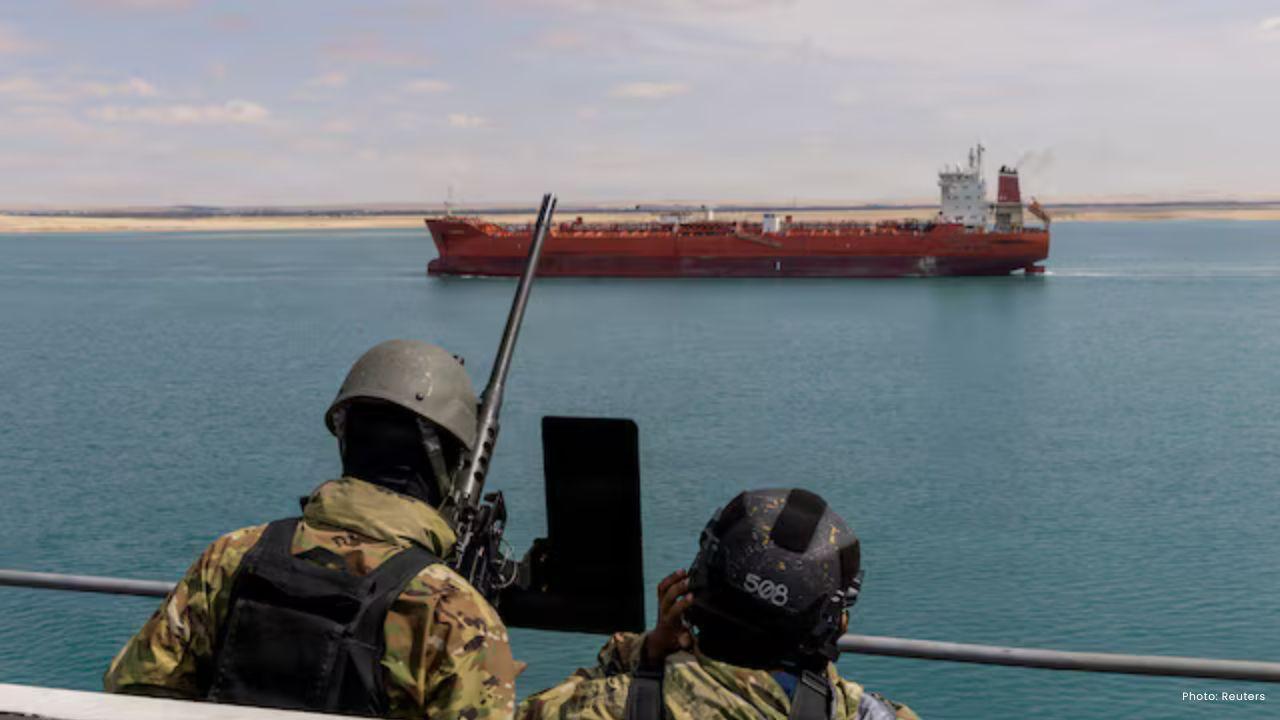
Another major concern is the effect on global energy supplies. The Middle East is one of the world’s most important oil-producing regions. When fighting threatens shipping routes or oil facilities, energy markets react quickly. Oil prices have already jumped above $90 per barrel, pushing gasoline and diesel prices higher in many countries.
Rising energy prices are creating economic pressure not only in the United States but across the world. Higher fuel costs can increase the price of transportation, food, and many everyday goods. Economists warn that if the war continues for a long time, it could slow global economic growth.
The conflict also brings political challenges for President Trump. Some supporters strongly back the military action, believing it shows strength against Iran. But others are concerned that the United States could become involved in a long and costly war in the Middle East.
Critics say the administration has not clearly explained its long-term plan for the conflict. They are asking questions about what the final goal of the war is and how the United States plans to end it. Without a clear strategy, some analysts worry that the conflict could last much longer than expected.
At the same time, public opinion inside the United States appears divided. Some Americans support the strikes, while others worry about the human and financial cost of another war overseas. Political experts say these concerns could become important as the country approaches future elections.
The war has also raised security concerns for American forces stationed in the Middle East. Iran has already launched attacks on bases where U.S. troops are located. Although many of these attacks were intercepted, they show that American personnel in the region could face greater danger if the conflict continues.
International reactions have also been mixed. Some U.S. allies support the effort to weaken Iran’s military power, while others are worried about the risk of a wider war. Several governments are calling for diplomatic solutions to stop the fighting before it spreads further.
Another difficult question is what could happen inside Iran itself. If the conflict severely weakens the Iranian government, it could create political instability inside the country. Some experts fear that a sudden collapse of authority could lead to chaos in the region.
Because of these risks, many analysts believe the coming weeks will be critical. Military operations may continue, but pressure is also growing for diplomatic efforts that could bring the fighting to an end.
For now, the war has entered a dangerous stage. The United States may have achieved some early military success, but the political, economic, and security challenges are becoming larger with each passing day.
The next steps taken by world leaders will determine whether the conflict begins to calm down or grows into an even wider crisis.





DAE Achieves Remarkable Growth in Q1 2026 With Record Revenue
Dubai Aerospace Enterprise announces impressive financial results for Q1 2026, reflecting a surge in

Price Increase for Sony PS5 in Southeast Asia Effective May 1
Sony announces a price increase for the PS5 across Southeast Asia starting May 1, 2026, impacting ga

Potential ‘Super El Niño’ in 2026: Understanding the Climate Risks
Could a Super El Niño emerge in 2026? Discover its implications and potential global climate impacts

Global Energy Crisis Intensifies: Markets React to Oil Supply Challenges
Markets are on edge as oil disruptions escalate, influencing prices and economic stability. Explore

Must-See Tourist Spots in London You Can't Overlook
Explore London's essential attractions, from royal landmarks to vibrant markets, ensuring an unforge

Ultimate Guide to Snagging Cheap Flights in 2026
Unlock the secrets to booking affordable flights in 2026 with insightful tips and strategies tailore




