Post by : Saif Nasser
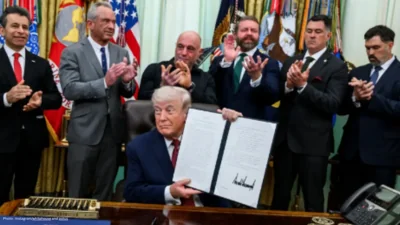
The United States is planning a high-level meeting in Washington on February 19 linked to Gaza’s future governance and reconstruction. According to reports, the White House is preparing the first leaders meeting of what President Donald Trump has called the “Board of Peace.” The meeting is expected to focus on Gaza’s rebuilding needs and may also serve as a fundraising conference.
This planned event is already drawing global attention. Supporters say it could help bring money, structure, and direction to Gaza after months of war and destruction. Critics, however, warn that the plan raises serious political and legal concerns, especially about representation, sovereignty, and the role of international institutions.
Reports say the meeting may be held at the U.S. Institute of Peace in Washington. It is also expected to happen just one day after Israeli Prime Minister Benjamin Netanyahu is scheduled to meet President Trump at the White House. That timing suggests Gaza and regional security will be central topics in U.S. talks that week.
The “Board of Peace” idea was introduced by President Trump in late January. He said the board would help resolve major global conflicts, starting with Gaza. Under his earlier Gaza proposal, the board would supervise Gaza’s temporary governance after the fighting slowed. Later, he said the board’s role could expand to other conflict zones around the world.
Some countries, especially a few U.S. partners in the Middle East, have shown interest in joining the initiative. Many Western allies, however, have stayed cautious and have not signed on. Their hesitation shows that while the goal of peace is widely shared, the method is not.
One major concern is representation. Several human rights experts and scholars have criticized the board because it reportedly does not include a Palestinian member. Since Gaza is a Palestinian territory, critics argue that any body guiding its governance or reconstruction should include Palestinian leadership at the highest level. Without that, they say, the process risks losing legitimacy and trust.
There are also worries about how this board fits with the United Nations system. Some experts fear that a U.S.-led structure could weaken or bypass existing U.N. agencies and frameworks that already work in conflict and post-war areas. Others respond that new tools may be needed when old systems move too slowly. This debate is likely to grow louder as the meeting date approaches.
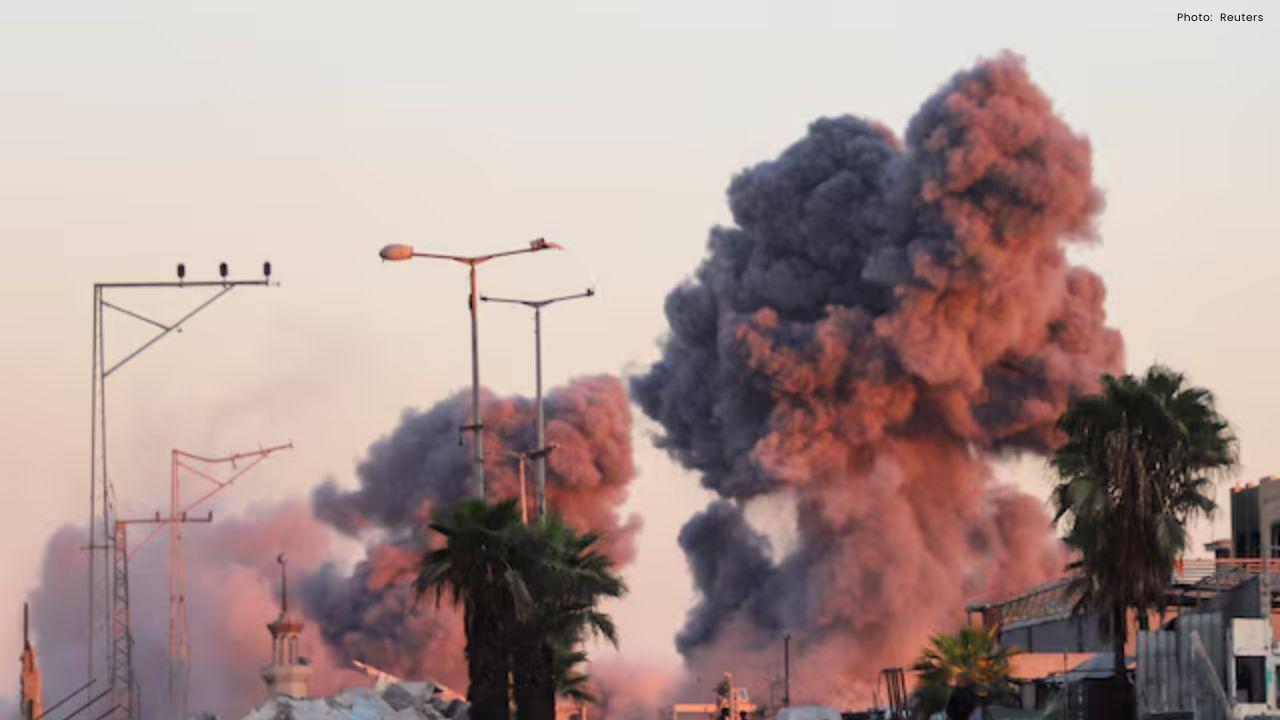
The background to this meeting is the ongoing Gaza crisis. A fragile ceasefire began in October under a plan that both Israel and Hamas agreed to. Still, reports say the ceasefire has been broken many times. Hundreds of Palestinians and several Israeli soldiers have been killed since the truce started. The wider war has caused massive destruction across Gaza, displaced nearly the entire population, and created severe shortages of food, water, and medical care.
Casualty numbers from different sources show the heavy human cost. Palestinian health authorities report very high death tolls. Israeli officials say their military actions are acts of self-defense after the late 2023 Hamas-led attack that killed about 1,200 people and led to more than 250 hostages being taken. At the same time, many rights groups and some U.N. investigators have accused Israel of actions that may amount to genocide. Israel strongly rejects that charge. These sharply different views show how divided the global response remains.
In this tense setting, any plan about Gaza’s future governance is bound to be controversial. Rebuilding Gaza is not only about money and buildings. It is also about who decides, who leads, and who is accountable. Roads, hospitals, and schools can be rebuilt, but political trust is harder to repair.
A fundraising conference could help speed up physical reconstruction. Gaza will need billions of dollars for housing, electricity, water systems, and medical services. Donor countries often want clear oversight before giving such large sums. A structured board may appeal to them. But donors also look for fairness and local participation. Without broad support, fundraising goals may fall short.
The planned February 19 meeting is still in early stages, and details could change. Even so, it signals that Washington wants to play a direct and visible role in shaping what comes next in Gaza. Whether this effort becomes a bridge toward stability or another point of dispute will depend on who is included, how decisions are made, and whether the process respects the people most affected.
Peace plans often sound strong on paper. Their true test comes in practice. Gaza’s future will require not only plans and boards, but also balance, inclusion, and long-term commitment from the global community.





Reopening of the Strait of Hormuz: New Regulations to Impact Global Trade
Iran reopens the strategic Strait of Hormuz with new regulations affecting oil transport and global

Top 10 Must-See Attractions in NYC for First-Time Explorers
Discover essential experiences for first-time visitors to NYC, including attractions, culture, and i

Starbucks Engages Boyu Capital for Major Chinese Expansion
Starbucks teams up with Boyu Capital, selling a majority stake to boost growth and adapt to the Chin

Three Individuals Charged in Massive Meth Trafficking Case in Malaysia
In Malaysia, a married couple and another suspect are charged with trafficking 510kg of meth, facing

Singapore Police Revisit Geylang Murder Scene with Suspect
In Geylang, police return a murder suspect to the scene of a crime involving the fatal stabbing of a