Post by : Shweta
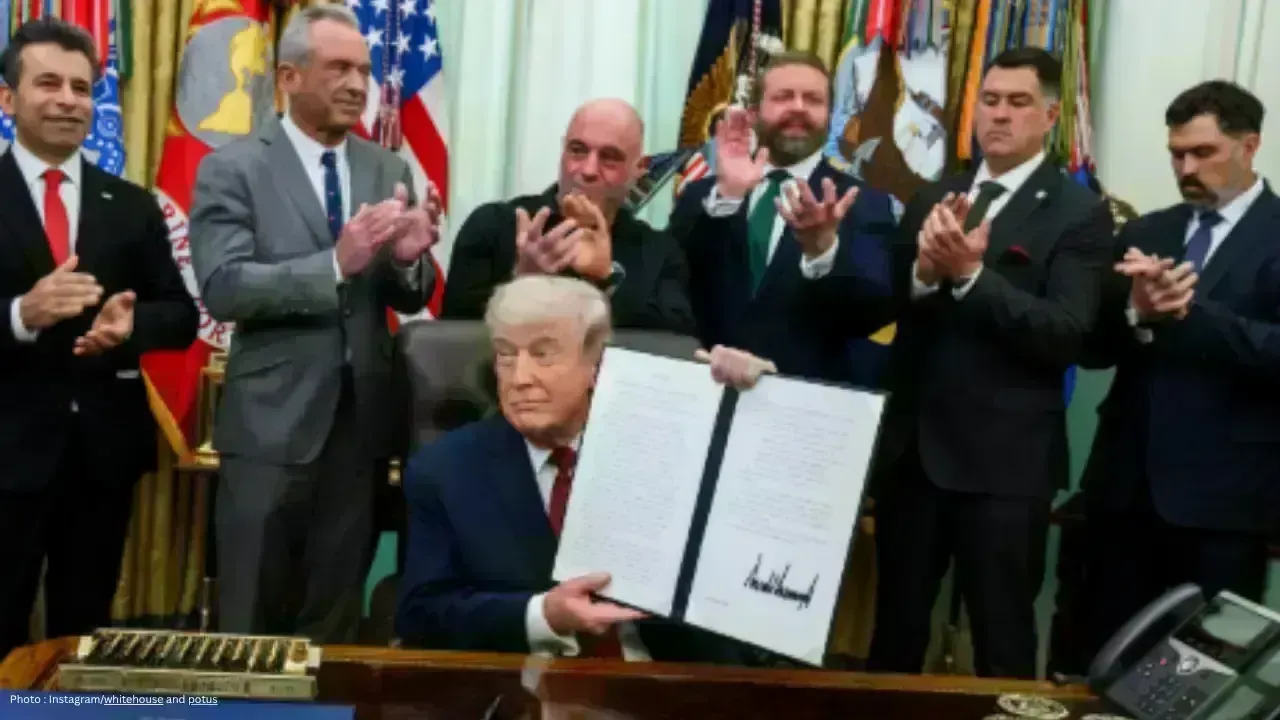
The government of the United States has unveiled a groundbreaking policy initiative that seeks to broaden the scope of research and access to psychedelic drugs as part of its strategy to tackle an escalating mental health crisis in the nation. This action is taken amidst a worrying increase in serious mental illnesses and suicide rates, which have impacted millions of Americans over the past two decades. Authorities indicate that the initiative aims to hasten scientific innovation and enhance treatment options for patients who have not responded positively to conventional therapies.
The policy reveals that over 14 million adults in the U.S. are grappling with severe mental health issues that considerably disrupt their everyday functions. Additionally, a significant population relies on prescribed medications, yet many face challenges such as relapse or minimal improvement. The rate of suicide, which surged sharply between 2000 and 2018, remains a critical concern—especially among military veterans—where it exceeds that of the general populace.
This new directive underscores the therapeutic potential of psychedelic substances, such as ibogaine, for treating disorders like major depressive disorder and substance dependence. Initial clinical findings have shown encouraging outcomes, especially among individuals who have not received benefits from standard treatments. Some therapies have already achieved special acknowledgment from regulatory bodies for their potential to yield groundbreaking results, thereby motivating further exploration and development.
Under this directive, federal entities will expedite the review and approval processes for eligible psychedelic treatments. They will also investigate ways to grant certain patients access to these therapies under existing experimental treatment laws. This includes reducing regulatory hurdles for researchers and healthcare professionals while preserving safety standards.
Moreover, the policy advocates for enhanced funding and cooperation between federal and state governments. A minimum of $50 million will be allocated to foster research initiatives, data sharing, and collaborative efforts aimed at boosting the development of these treatments. Particular focus will be placed on improving clinical trial recruitment and ensuring that data from various institutions can be utilized to facilitate quicker and smarter decision-making.
An additional priority is enhancing coordination with healthcare systems for veterans, targeting the mental health issues faced by former service members. By leveraging resources and expertise from both public and private sectors, the government is committed to developing a more efficient system for assessing innovative therapies and delivering treatment to those in need.
Officials reiterate that while psychedelic therapies display potential, all approvals will be subject to rigorous scientific and legal scrutiny. The overarching objective of this initiative is to instill new hope in individuals battling intricate mental health challenges while guaranteeing that treatments are both safe and effective.










Reopening of the Strait of Hormuz: New Regulations to Impact Global Trade
Iran reopens the strategic Strait of Hormuz with new regulations affecting oil transport and global

Top 10 Must-See Attractions in NYC for First-Time Explorers
Discover essential experiences for first-time visitors to NYC, including attractions, culture, and i

Starbucks Engages Boyu Capital for Major Chinese Expansion
Starbucks teams up with Boyu Capital, selling a majority stake to boost growth and adapt to the Chin

Three Individuals Charged in Massive Meth Trafficking Case in Malaysia
In Malaysia, a married couple and another suspect are charged with trafficking 510kg of meth, facing

Singapore Police Revisit Geylang Murder Scene with Suspect
In Geylang, police return a murder suspect to the scene of a crime involving the fatal stabbing of a