Post by : Saif Nasser
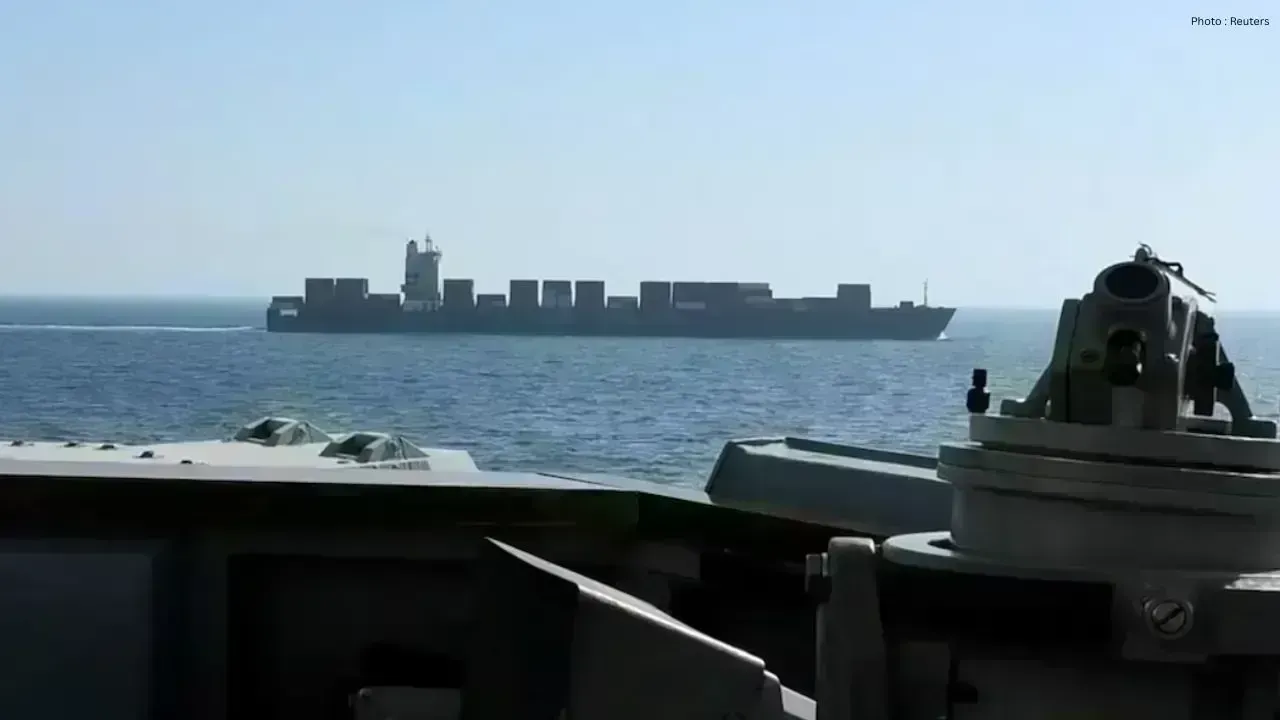
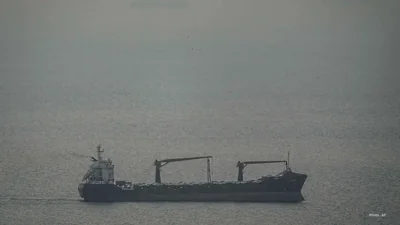
The situation in the Middle East has become tense once again after the United States seized an Iranian cargo ship. This sudden action has raised serious concerns about the future of the ceasefire and increased fears of a wider conflict in the region. What seemed like a fragile step toward peace now appears uncertain as both sides respond strongly to the incident.
The event took place near the Strait of Hormuz, one of the most important sea routes in the world. A large portion of global oil supply passes through this narrow passage, making it highly sensitive to any kind of conflict. The United States said the seizure was part of its effort to enforce restrictions and prevent illegal activity linked to Iran. However, Iran has rejected these claims and described the move as unlawful and aggressive.
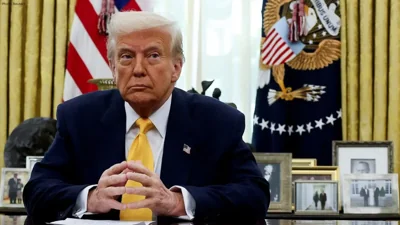
This development has put the ongoing ceasefire under serious pressure. Before this incident, there were signs that both sides might continue talks and avoid further escalation. Now, that possibility looks weaker. Iran has hinted that it may step back from negotiations, while the United States continues to support dialogue but maintains a firm stance. This difference in approach has created confusion and increased tension.
The importance of the Strait of Hormuz cannot be ignored in this situation. Any disruption in this area can affect oil prices across the globe. Even a small conflict here can lead to major economic problems, especially for countries that depend heavily on oil imports. Recent developments have already made markets nervous, showing how quickly such tensions can impact the global economy.
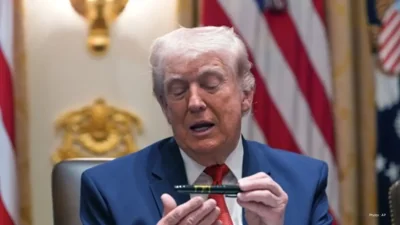
Both countries have reacted with strong words. Iran has warned that it will respond if its interests are harmed, while U.S. officials have suggested that they will continue to take strict action if needed. These statements have added to the uncertainty and made it harder for peace efforts to move forward. Experts believe that such reactions, if not controlled, could lead to further escalation.
The global community is watching the situation closely. Many countries are worried that the ceasefire could collapse if tensions continue to rise. There is also concern that the conflict might spread to other parts of the Middle East, involving more nations and groups. Such a development would not only increase violence but also create serious challenges for the world economy and security.
At this critical moment, the need for calm and communication is more important than ever. Peaceful dialogue remains the best way to resolve differences and avoid further conflict. Without proper talks and understanding, even a single incident like this can grow into a much larger crisis.
The seizure of the Iranian cargo ship has clearly changed the direction of the situation. What once looked like a possible path to peace now faces uncertainty and risk. The coming days will be crucial in deciding whether tensions ease or move toward a deeper conflict.




Reopening of the Strait of Hormuz: New Regulations to Impact Global Trade
Iran reopens the strategic Strait of Hormuz with new regulations affecting oil transport and global

Top 10 Must-See Attractions in NYC for First-Time Explorers
Discover essential experiences for first-time visitors to NYC, including attractions, culture, and i

Starbucks Engages Boyu Capital for Major Chinese Expansion
Starbucks teams up with Boyu Capital, selling a majority stake to boost growth and adapt to the Chin

Three Individuals Charged in Massive Meth Trafficking Case in Malaysia
In Malaysia, a married couple and another suspect are charged with trafficking 510kg of meth, facing
Singapore Police Revisit Geylang Murder Scene with Suspect
In Geylang, police return a murder suspect to the scene of a crime involving the fatal stabbing of a