Post by : Saif Nasser
The United States Senate is preparing to vote on an important resolution that could limit President Donald Trump’s ability to take further military action against Venezuela without approval from Congress. The vote comes just days after U.S. forces captured Venezuelan President Nicolás Maduro in a surprise operation in Caracas.
The resolution is based on the U.S. Constitution, which says that Congress, not the president alone, must approve long-term military action. Lawmakers supporting the measure say the administration may be moving the country toward a prolonged and costly conflict without proper debate or authorization.
This is not the first time senators have tried to pass such a resolution. Several earlier attempts were blocked, mainly by Republicans. However, the last vote failed by only two votes, showing that support for limiting presidential war powers is growing. This time, supporters believe the resolution has a stronger chance of passing.
Republican Senator Rand Paul and Democratic Senator Tim Kaine are leading the effort together. They argue that Congress was misled when administration officials previously said they had no plans for regime change or military strikes inside Venezuela. The capture of Maduro has raised new concerns that the situation could turn into a larger military campaign.
Some lawmakers worry that the United States could become deeply involved in Venezuela for a long time, spending large amounts of money and risking lives. President Trump recently said he wants to increase the U.S. military budget significantly, adding to fears of expanded military operations.
Opponents of the resolution argue that Maduro’s capture was a law enforcement action, not a war. They say the president has the authority to carry out limited military operations to protect national security. Maduro is expected to face trial in the United States on drug and weapons charges, which he denies.
Even if the Senate passes the resolution, major obstacles remain. The measure would still need approval from the House of Representatives and would likely face a presidential veto. Overriding a veto would require large majorities in both chambers of Congress.
Despite these challenges, the vote is seen as a key moment for Congress to assert its role in decisions about war and peace. It highlights a deeper debate about presidential power, transparency, and the risks of military action without broad political support.
As tensions over Venezuela continue, the Senate’s decision will send a strong message about how the United States balances national security with democratic oversight.







The Impact of Consistent Small Investments on Wealth Building
Discover how investing small amounts regularly can positively transform your financial future over t

7.5 Magnitude Earthquake Strikes Japan, Tsunami Alerts Issued
Japan experiences a hefty 7.5 quake, prompting tsunami alerts and safety measures. Stay updated on a
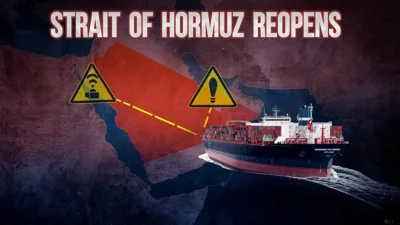
Reopening of the Strait of Hormuz: New Regulations to Impact Global Trade
Iran reopens the strategic Strait of Hormuz with new regulations affecting oil transport and global

Top 10 Must-See Attractions in NYC for First-Time Explorers
Discover essential experiences for first-time visitors to NYC, including attractions, culture, and i

Starbucks Engages Boyu Capital for Major Chinese Expansion
Starbucks teams up with Boyu Capital, selling a majority stake to boost growth and adapt to the Chin

Three Individuals Charged in Massive Meth Trafficking Case in Malaysia
In Malaysia, a married couple and another suspect are charged with trafficking 510kg of meth, facing