Post by : Saif Nasser
Heavy Israeli airstrikes struck the southern suburbs of Beirut overnight, marking a serious escalation in tensions between Israel and Hezbollah. The strikes targeted areas believed to be strongholds of the Iran-backed Lebanese group, while Hezbollah responded with warnings for Israelis living near the border to evacuate their homes.
Residents of Beirut reported loud explosions and bright flashes lighting up the night sky as Israeli fighter jets carried out repeated attacks. Video footage from the city showed large blasts hitting buildings in the densely populated southern districts of the Lebanese capital.
According to the Israeli military, the strikes were aimed at Hezbollah infrastructure. Israeli officials said the attacks focused on command centers and weapons storage sites linked to the group. The military stated that it carried out dozens of waves of airstrikes overnight in the targeted areas.
Before launching the strikes, Israel warned residents of several neighborhoods in the southern suburbs to leave immediately. Israeli military spokespersons released maps identifying areas that were expected to be hit and urged civilians to move toward safer parts of the city. Many people quickly packed their belongings and fled, causing traffic jams on roads leading away from the affected districts.
The neighborhoods targeted include areas close to Beirut’s international airport and parts of the Dahiyeh district, which is widely known as a center of Hezbollah’s political and military activity. The region is one of the most densely populated areas in the Lebanese capital.
Hezbollah quickly reacted to the Israeli strikes. The group issued a message in Hebrew through its communication channels warning Israeli civilians living within about five kilometers of the Lebanon-Israel border to leave their towns. The message said that Israel’s actions against Lebanon and its people would not go unanswered.
The exchange of threats highlights how quickly the conflict between Israel and Hezbollah is intensifying. The latest violence is part of a broader regional crisis that has expanded beyond Israel and Gaza to include Lebanon and other parts of the Middle East.
The confrontation began to grow earlier this week when Hezbollah launched attacks toward Israel. Israeli forces then responded with airstrikes across southern Lebanon and the southern suburbs of Beirut.
Lebanon has now become increasingly involved in the wider conflict, with clashes along the border becoming more frequent. The Lebanese health ministry has reported that more than 120 people have been killed and hundreds more injured in Israeli strikes across the country this week.
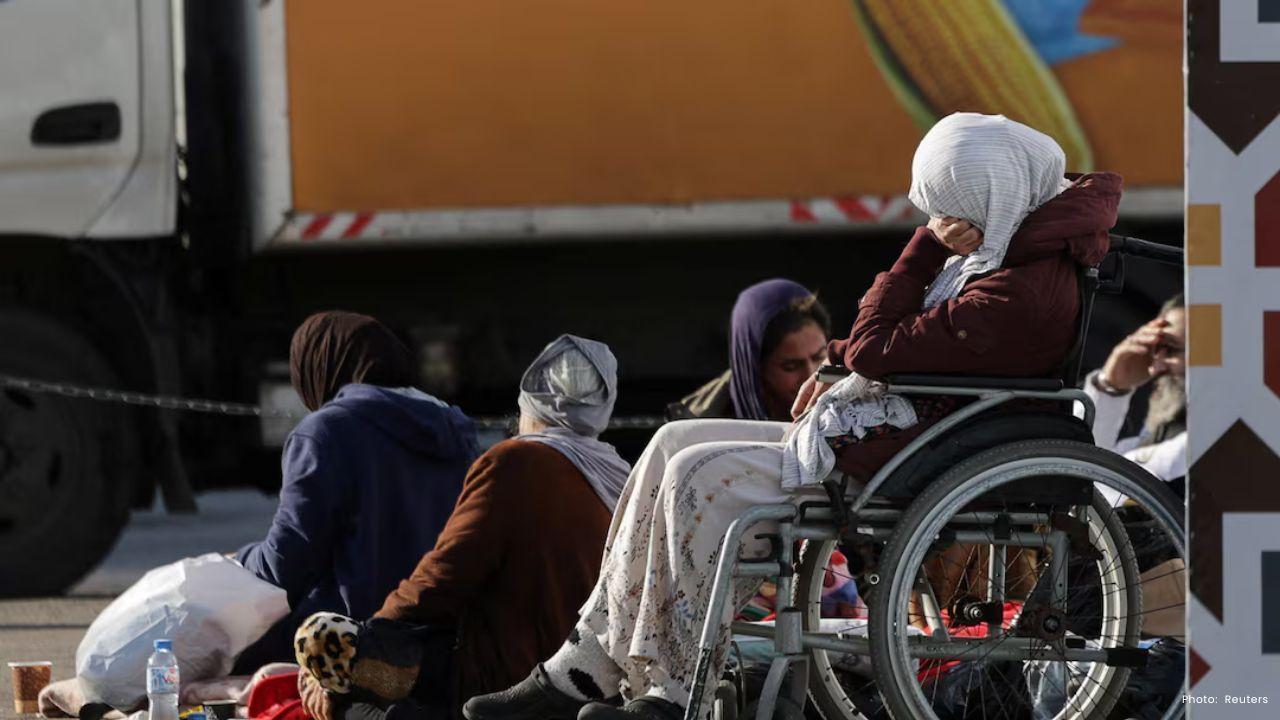
The fighting has also forced thousands of civilians to flee their homes. Families have been seen leaving their neighborhoods carrying bags and searching for safe places to stay. Shelters in some areas are becoming crowded as displaced residents seek protection from the ongoing attacks.
The southern suburbs of Beirut have been targeted by Israeli forces in past conflicts with Hezbollah. During earlier wars in 2006 and later years, the area suffered heavy destruction because it contains many facilities connected to the group’s operations.
Hezbollah is one of the most powerful armed groups in the region and has strong political influence in Lebanon. It is supported by Iran and has long been involved in tensions with Israel. Over the years, both sides have exchanged rocket attacks, airstrikes, and threats of broader war.
Israel says its operations aim to stop Hezbollah from launching attacks and to destroy the group’s military infrastructure. Hezbollah, on the other hand, says it is defending Lebanon and responding to Israeli military actions.
International leaders and humanitarian groups are increasingly worried about the possibility of a wider regional war. The conflict is already linked to broader tensions involving Iran, Israel, and several other countries in the Middle East.
Diplomatic efforts are underway to reduce tensions, but the situation on the ground remains highly unstable. Each new attack raises the risk of further escalation and deeper involvement from other regional players.
For ordinary civilians in Lebanon and northern Israel, the growing conflict has brought fear and uncertainty. Many residents near the border have already experienced repeated evacuations over the past few years as violence flares up between the two sides.
As the strikes continue and threats from both sides grow stronger, the international community is closely watching whether the fighting will remain limited or expand into a much larger regional confrontation.
The coming days may prove critical in determining whether diplomacy can calm the situation or whether the Middle East will see another major escalation of war.








DAE Achieves Remarkable Growth in Q1 2026 With Record Revenue
Dubai Aerospace Enterprise announces impressive financial results for Q1 2026, reflecting a surge in

Price Increase for Sony PS5 in Southeast Asia Effective May 1
Sony announces a price increase for the PS5 across Southeast Asia starting May 1, 2026, impacting ga

Potential ‘Super El Niño’ in 2026: Understanding the Climate Risks
Could a Super El Niño emerge in 2026? Discover its implications and potential global climate impacts

Global Energy Crisis Intensifies: Markets React to Oil Supply Challenges
Markets are on edge as oil disruptions escalate, influencing prices and economic stability. Explore

Must-See Tourist Spots in London You Can't Overlook
Explore London's essential attractions, from royal landmarks to vibrant markets, ensuring an unforge

Ultimate Guide to Snagging Cheap Flights in 2026
Unlock the secrets to booking affordable flights in 2026 with insightful tips and strategies tailore




